Texas has become one of the fastest-growing destinations for large-scale data centers, driven by the rapid expansion of artificial intelligence, cloud computing, and other energy-intensive technologies. The influx of investment has brought billions of dollars in development, but it has also created growing concerns about whether the state’s power infrastructure can keep pace.
The issue has placed additional attention on how Texas manages new data center projects and how their electricity needs could affect the broader grid and consumers.
Why Data Centers Are Expanding Across Texas
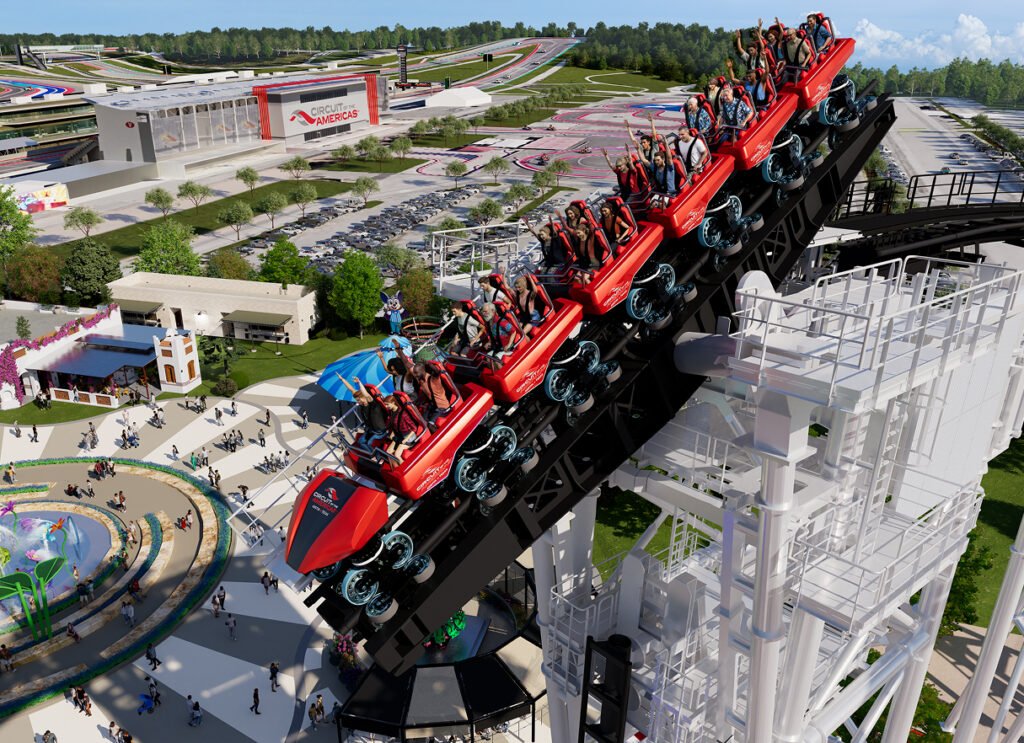
Texas has attracted major technology companies and data center developers with a combination of tax incentives, available land, energy resources, and a business-friendly regulatory environment. The state’s broader development boom also includes major entertainment and tourism projects in the Austin area, reflecting the scale of investment taking place across Texas.
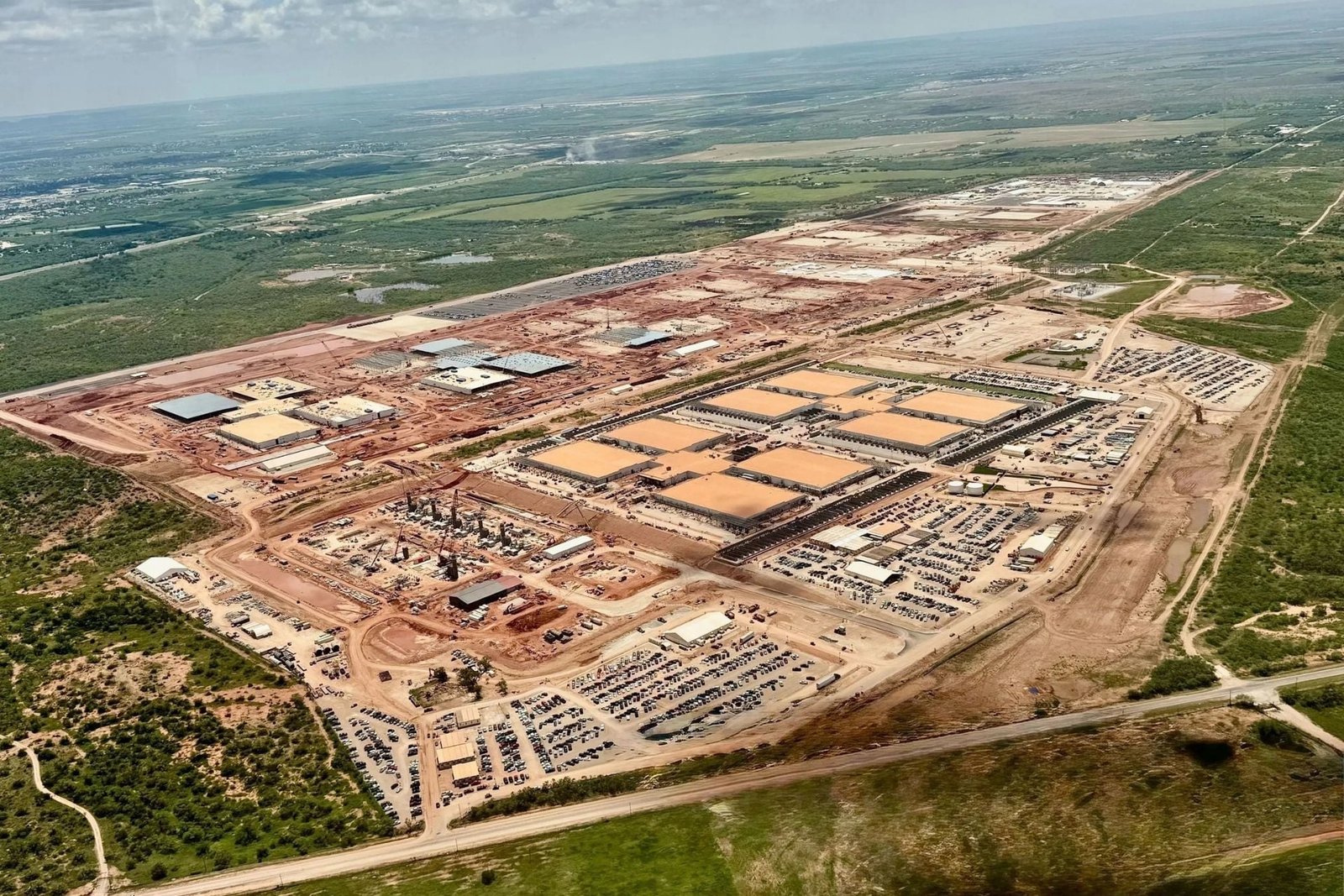
Large technology projects have been announced or developed across different parts of the state, including major investments associated with artificial intelligence and cloud computing.
The scale of these facilities is significant because modern data centers can require enormous amounts of electricity. As AI applications become more sophisticated, computing facilities are demanding increasing quantities of power to operate servers and cooling systems around the clock.
Data Centers Are Becoming a Major Source of Electricity Demand
The rapid growth of hyperscale computing has already created a substantial electricity demand in Texas.
The state’s grid operator, the Electric Reliability Council of Texas (ERCOT), manages most of the state’s electric load. Large data centers now represent a meaningful portion of the electricity moving through the ERCOT system.
The challenge could become considerably larger if the current pipeline of proposed projects moves forward.
According to estimates cited in the original report, the potential Texas data center pipeline could require tens of gigawatts of additional power. Meeting that level of demand would require significant investment in generation, transmission infrastructure, and grid connections.
Why ERCOT Faces a Difficult Balancing Act
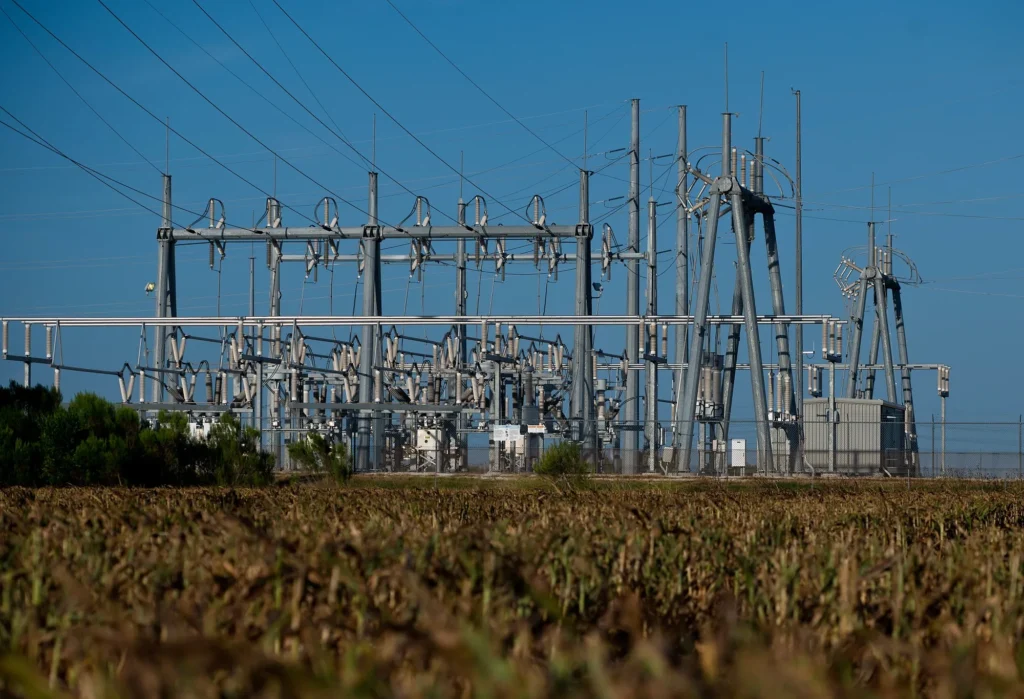
ERCOT must maintain a constant balance between electricity supply and demand. Large data centers make that task more complicated because their facilities can consume substantial amounts of electricity continuously.
Adding multiple large projects at once could put pressure on available generation capacity and transmission networks.
The problem is not simply whether Texas can produce more electricity. New generation facilities and transmission infrastructure require planning, investment, construction, and regulatory approvals. Connecting large data centers to the grid can therefore take time.
A rapid increase in electricity demand without corresponding infrastructure growth could increase the risk of higher prices or reliability challenges.
Potential Impact on Electricity Prices
The expansion of energy-intensive data centers has also raised questions about how their electricity consumption could affect residential customers.
As demand for electricity rises, additional generation and infrastructure may be required. Those investments can influence electricity markets and potentially contribute to higher costs depending on market conditions and how infrastructure expenses are allocated.
The situation has made data center development an increasingly important energy policy issue rather than simply a technology or real estate story.
Why Gov. Abbott’s Intervention Matters
Texas Gov. Greg Abbott has taken steps to examine the pace and potential consequences of data center growth.
An audit or review of proposed projects can provide state officials with additional information about their expected electricity requirements, grid impacts, and timelines.
Such scrutiny could also influence how quickly some projects receive grid connections.
The focus is particularly relevant for developments that depend heavily on the public electricity system. Projects that can generate or secure power independently, including certain “behind-the-meter” arrangements, may face different challenges from facilities that depend entirely on conventional grid connections.
The Rise of Behind-the-Meter Data Centers
One potential approach involves locating data centers alongside dedicated power generation resources.
Behind-the-meter projects can reduce a facility’s dependence on the broader transmission network because some electricity is generated specifically for the data center.
This model could become increasingly attractive as large technology companies look for ways to secure reliable electricity while avoiding delays associated with congested grid interconnection processes.
However, dedicated power solutions also raise questions involving costs, environmental impacts, infrastructure requirements, and how such projects interact with broader energy policy.
Texas Faces a Technology-Energy Trade-Off
The data center boom presents Texas with both an economic opportunity and an infrastructure challenge.
Large projects can bring investment, construction activity, jobs, and technological development. They can also strengthen Texas’ position as a hub for artificial intelligence and digital infrastructure.
At the same time, the electricity required by these facilities can place additional pressure on a grid that must serve households, businesses, manufacturers, and other industries.
The central policy question is therefore how Texas can continue attracting technology investment without compromising electricity affordability or reliability.
What Could Happen Next?
Texas is likely to remain a major destination for data center development, particularly as demand for AI computing continues to expand.
Future projects may face greater scrutiny regarding their power requirements and their ability to contribute to or independently secure the electricity they need.
State officials, utilities, grid operators, technology companies, and local communities will all have a role in determining how the next phase of data center development unfolds.
The outcome could influence not only Texas’ technology sector but also its electricity market and long-term infrastructure planning.
Conclusion
Texas’ data center boom demonstrates how closely technology and energy policy have become connected. The rapid expansion of AI and cloud computing is creating enormous demand for electricity, forcing policymakers and grid operators to consider whether infrastructure can expand quickly enough to support new developments.
The state’s challenge will be finding a balance between encouraging major technology investment and protecting grid reliability and electricity affordability.
As Texas evaluates new data center projects, decisions surrounding power generation, transmission, grid connections, and behind-the-meter solutions are likely to become increasingly important. The way the state manages this growth could shape its position as both a technology hub and one of the country’s largest energy markets.
FAQs
Texas offers factors such as available land, energy resources, tax incentives, and a business-friendly environment. These conditions have attracted major technology companies and data center developers.
Large data centers consume significant amounts of electricity, often continuously. A rapid increase in their power requirements can place additional pressure on electricity generation, transmission infrastructure, and grid connections.
Behind-the-meter data centers are facilities that can obtain electricity from dedicated generation resources located alongside or directly connected to the facility. This approach can reduce reliance on the broader electric grid for some or all of the site’s power needs.