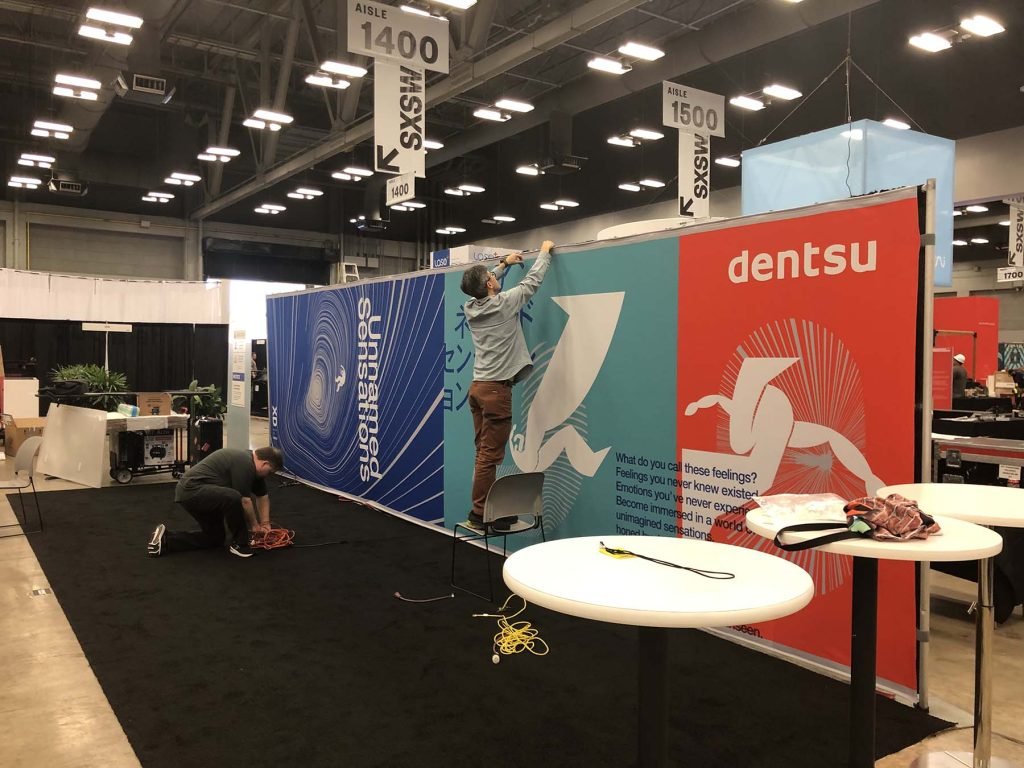
Trade shows and exhibitions give Texas businesses an opportunity to showcase their products, connect with potential customers, build industry relationships, and increase brand visibility. From large conventions in Houston and Dallas to industry events in Austin and San Antonio, businesses often compete with numerous exhibitors for attendees’ attention.
While digital marketing plays an important role in event promotion, professionally printed materials remain valuable at trade shows. Well-designed brochures, business cards, banners, catalogs, flyers, and other printed materials can reinforce a company’s branding and give visitors something tangible to take with them after the event.
Choosing the right materials can help Texas businesses create a professional booth presence and support conversations with potential customers.
Why Printed Materials Matter at Trade Shows
Trade show attendees are often exposed to dozens or even hundreds of brands during a single event. Printed materials can help businesses communicate important information quickly while giving visitors a physical reminder of the company.
A well-designed printed piece can also extend the impact of a trade show beyond the event itself. Visitors may take brochures or business cards back to their offices, share information with colleagues, or refer to the materials when they are ready to make a purchasing decision.
Printed materials can also complement digital tools. A brochure might include a QR code leading to a website, product page, online catalog, or contact form, allowing businesses to combine physical and digital marketing.
1. Business Cards
Business cards remain one of the most practical trade show materials. They make it easy for sales representatives and company executives to exchange contact information with visitors.
A professional business card should typically include:
- Company name and logo
- Contact information
- Website address
- Relevant social media information
- Employee name and job title
- QR code when appropriate
Businesses should keep the design consistent with their overall branding. High-quality paper and professional finishing can also create a stronger first impression.
2. Brochures
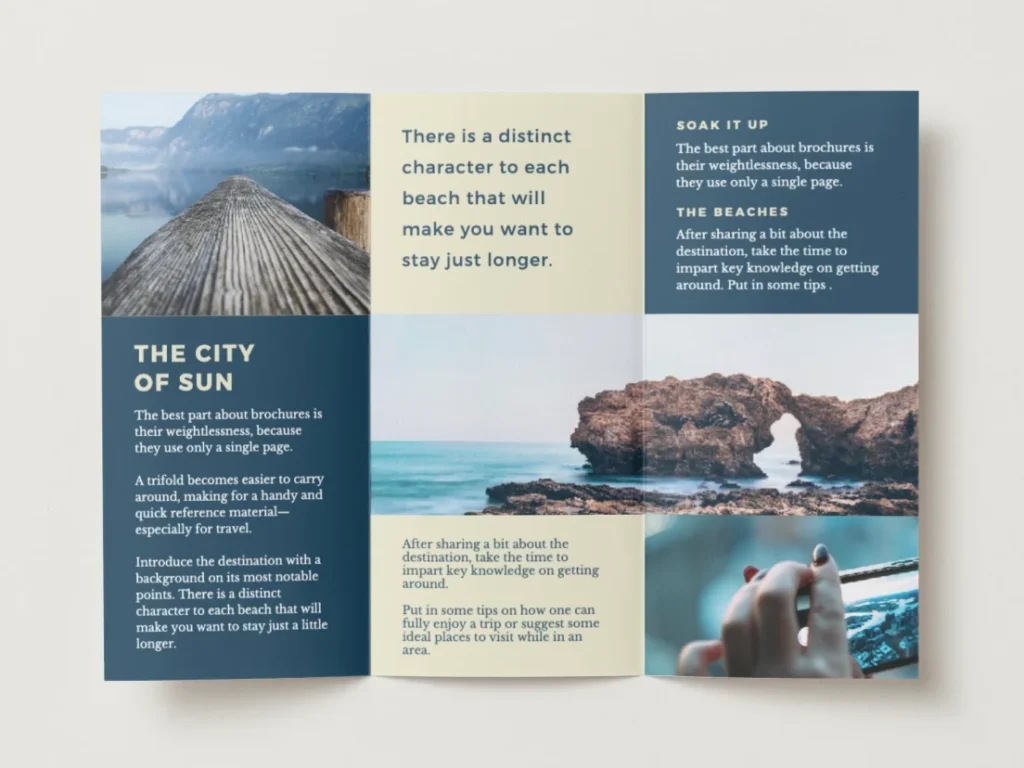
Brochures are useful for businesses that need to communicate more information than can fit on a business card.
A trade show brochure can introduce a company, explain its services, highlight products, answer common questions, and provide contact information.
Effective brochures should avoid overwhelming visitors with excessive text. Clear headings, concise descriptions, strong images, and organized layouts can make important information easier to understand.
For businesses with multiple products or services, brochures can provide an effective overview that visitors can review after the event.
3. Product Catalogs
Companies exhibiting multiple products may benefit from printed catalogs. Catalogs allow visitors to explore product ranges, specifications, features, and other relevant information.
A catalog can be especially useful for manufacturers, distributors, suppliers, wholesalers, and B2B companies participating in Texas trade shows.
Businesses should focus on presenting the most relevant products rather than trying to include every possible detail. A QR code can direct visitors to an online catalog for the complete product range.
4. Flyers
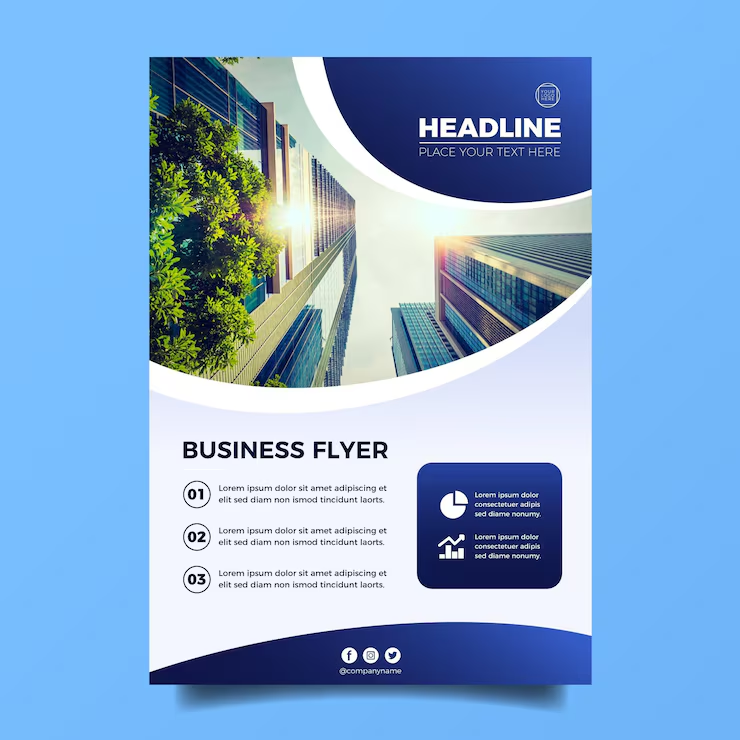
Flyers can provide a simple and cost-effective way to promote a specific product, service, special offer, or upcoming event.
Trade show flyers may be used to highlight:
- New products
- Limited-time promotions
- Special event offers
- Product demonstrations
- Company services
- Industry solutions
- Contact information
Because visitors may collect materials from multiple exhibitors, flyers should communicate their primary message quickly.
5. Retractable Banners
Retractable banners can help make a booth more visible from a distance. They provide businesses with a vertical branding surface that can display logos, messaging, product images, and calls to action.
A strong banner design should prioritize visibility and readability. Large text, recognizable branding, and a simple message can help attendees understand what a company offers before they reach the booth.
Retractable banners are also reusable, making them useful for businesses that attend multiple trade shows and exhibitions throughout the year.
6. Large-Format Displays and Backdrops
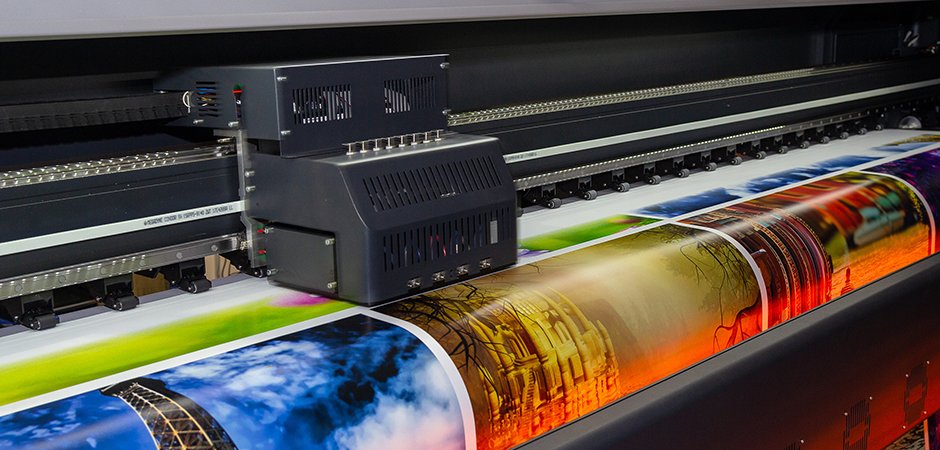
Large-format printed displays can transform the appearance of a trade show booth and create a more cohesive brand environment.
Backdrops can feature:
- Company branding
- Product photography
- Taglines
- Service information
- Industry messaging
- Website addresses
- QR codes
Businesses should ensure that the backdrop design works well with the physical dimensions of the booth. Important information should remain visible even when employees or visitors are standing in front of the display.
7. Presentation Folders
Presentation folders can organize multiple pieces of printed information into one professional package.
A folder might contain a brochure, business card, product sheet, pricing information, case study, or promotional flyer.
This approach can be particularly useful for B2B exhibitors that need to provide prospects with several documents after an in-depth conversation.
8. Product Sheets
Product sheets are useful when a business wants to focus attention on a particular product or service.
Unlike a general brochure, a product sheet can provide specific information such as:
- Product features
- Specifications
- Benefits
- Applications
- Available options
- Contact information
- Ordering details
Businesses with technical products can use product sheets to provide information that visitors may want to review after leaving the booth.
9. Postcards
Postcards can be used as compact promotional materials. They are easy to distribute and can highlight a particular offer, product, service, or upcoming campaign.
A postcard can also include a QR code that connects the printed material to a digital landing page. This allows businesses to measure some aspects of engagement after the trade show.
10. Event-Specific Promotional Materials
Businesses can create printed materials specifically for the trade show they are attending. Event-specific materials may include the company’s booth number, special event promotion, presentation schedule, or product demonstration information.
Creating materials specifically for an exhibition can make the messaging more relevant to attendees and help visitors locate the booth more easily.
11. Stickers and Promotional Print Materials
Branded stickers can provide a simple way to increase brand exposure beyond the trade show booth.
Businesses can place logos, slogans, website addresses, or campaign graphics on stickers. When attendees use them on laptops, notebooks, equipment, or other personal items, the branding can potentially reach additional audiences.
Other promotional print materials can also be selected based on the company’s industry and target audience.
12. Case Studies and Testimonials
B2B companies can use printed case studies to demonstrate how their products or services have helped customers.
A concise case study can explain the customer’s challenge, the solution provided, and the results achieved. Testimonials can also provide social proof and help establish credibility during conversations with prospective customers.
These materials can be particularly useful when purchasing decisions involve multiple stakeholders or longer sales cycles.
How to Choose the Right Trade Show Printing Materials
Not every business needs every type of printed material. Selecting materials should begin with the goals of the trade show.
Businesses should consider the following factors:
The printing method can also affect the quality, cost, turnaround time, and suitability of different trade show materials. Businesses can compare digital and offset printing options for Texas businesses to determine which approach best fits their project requirements.
Identify the Target Audience
Materials should reflect what attendees need to know. Technical audiences may prefer detailed product sheets and specifications, while general consumers may respond better to concise brochures and promotional flyers.
Consider the Booth Size
Large booths may accommodate backdrops, banners, catalogs, and multiple displays. Smaller booths may require a more selective approach.
Focus on the Main Message
Every printed piece should have a clear purpose. Too much information can make materials difficult to understand and may reduce their effectiveness.
Maintain Consistent Branding
Logos, colors, fonts, images, and messaging should be consistent across business cards, brochures, banners, catalogs, and other materials.
Include Clear Calls to Action
Printed materials should tell visitors what to do next. Calls to action may encourage visitors to visit a website, scan a QR code, request a quote, schedule a consultation, or contact the sales team.
Combining Printed and Digital Trade Show Marketing
Printed materials do not have to operate independently from digital marketing.
QR codes can connect brochures, flyers, banners, and product sheets to online resources. Businesses can direct visitors to product demonstrations, landing pages, online catalogs, appointment forms, or social media profiles.
This combination gives businesses an opportunity to create a connected experience. Attendees receive something tangible while also having access to updated digital information.
How Texas Businesses Can Prepare for Trade Show Printing
Planning printing well before an exhibition can help businesses avoid last-minute production problems.
Companies should finalize designs, review quantities, confirm booth dimensions, proofread all information, and request samples when appropriate. They should also consider how printed materials will be transported to the event.
Texas hosts trade shows across multiple cities and industries, so businesses may participate in events requiring different booth sizes, audiences, and marketing approaches. Preparing materials around the specific event can make the investment more effective.
Conclusion
The best printed materials for Texas trade shows and exhibitions depend on the company’s industry, audience, booth size, and marketing objectives. Business cards, brochures, product catalogs, flyers, banners, backdrops, presentation folders, product sheets, and case studies can all serve different purposes throughout an event.
The strongest trade show strategy typically combines attractive booth graphics with useful printed information and clear calls to action. By selecting materials that support conversations and reinforce the company’s brand, Texas businesses can create a more professional exhibition presence and give potential customers valuable information to remember after the event.
FAQs
Business cards, brochures, banners, product sheets, flyers, and booth backdrops are among the most commonly useful trade show materials. The right combination depends on the company’s industry and event objectives.
Yes. Business cards provide a simple way to exchange contact information and give prospects a physical reminder of the conversation they had with a company representative.
Businesses should allow sufficient time for design, proofreading, revisions, production, and delivery. Ordering well ahead of the event also provides time to address printing or shipping issues.
Many materials, including retractable banners, backdrops, presentation folders, and some promotional displays, can be designed for reuse at multiple events. Event-specific information should be avoided when the goal is long-term reuse.