Renewing vehicle registration is a routine responsibility for Texas drivers, but the process can become time-consuming when deadlines, inspections, paperwork and county requirements are overlooked. Fortunately, Texas provides several ways to complete a registration renewal, including online, by mail, in person and through certain county-authorized subcontractor locations.
Understanding the available options can help vehicle owners choose the most convenient method and avoid unnecessary trips to a tax office.
Renewing Vehicle Registration Online
For many Texas vehicle owners, online renewal is one of the easiest ways to avoid waiting at a county office. According to the Texas Department of Motor Vehicles, eligible drivers can renew online beginning 90 days before their registration expires and, under certain circumstances, for up to 12 months after expiration.
There are two primary online options. Vehicle owners can use Texas by Texas (TxT), a state service that allows users to create an account and manage various government services. Drivers who prefer not to create a TxT account can also use the state’s online Vehicle Registration Renewal application.
Online renewal can be particularly convenient for drivers who have all required information available and whose vehicles meet the applicable renewal requirements.
Renewing by Mail
Mail renewal is another alternative for vehicle owners who do not want to visit a county tax office. Drivers generally need to send their renewal notice, proof of current liability insurance, applicable fees and a copy of their Vehicle Inspection Report when required.
Processing times should also be considered. A payment processing hold may apply before the registration sticker is printed, and mailing can take additional time. Drivers with an approaching expiration date may therefore want to allow sufficient time for processing and delivery.
Renewing Registration In Person
Vehicle owners can also renew their registration at their county Tax Assessor-Collector office. These county offices handle many vehicle title and registration services on behalf of the Texas Department of Motor Vehicles.
Drivers visiting an office should generally have their registration renewal notice, proof of current liability insurance and a vehicle inspection report when applicable.
A renewal notice is helpful but may not always be necessary. Depending on the circumstances, vehicle owners may be able to complete the renewal using information such as the vehicle’s license plate number, VIN or previous registration receipt.
The main advantage of renewing in person is that drivers can generally receive their registration materials more quickly. However, wait times can vary considerably depending on the location, day and time of the visit.
How to Reduce Wait Times
Drivers who need to visit a county office can take several steps to make the process easier. Checking whether the county provides online wait-time information can help identify less busy locations or times.
Busy periods may include the beginning and end of the month as well as weekday lunch hours. Planning a visit outside these periods may reduce the amount of time spent waiting.
Some counties, including Dallas and Tarrant counties, provide online information about wait times at their tax offices. Checking this information before leaving home can make an in-person visit more predictable.
Understanding Texas Vehicle Registration Fees
Registration costs vary depending on factors such as vehicle type and weight, along with applicable county fees. The state has a base registration fee, while additional local charges may apply.
Because fees can change and may differ depending on the vehicle and county, drivers should verify the current amount before submitting a renewal.
Alternative Registration Locations
Some counties authorize subcontractor locations, including certain local businesses, to provide registration renewal services. These locations can offer a convenient alternative to traditional tax offices.
However, not every subcontractor handles every type of renewal. In particular, there may be limitations involving inspection or emissions documentation. If a subcontractor cannot verify the required inspection information, the driver may need to complete the renewal through the county tax office instead.
Checking the specific requirements of the selected location before visiting can help prevent an unnecessary second trip.
Texas Counties With Emissions Inspection Requirements
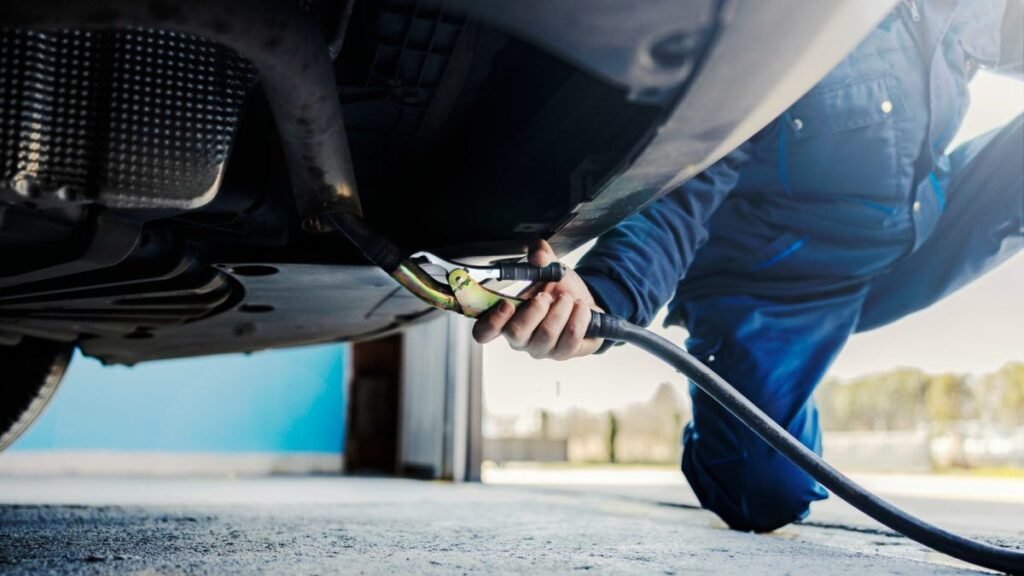
Certain noncommercial vehicles registered in designated Texas counties may need to pass an emissions inspection before registration can be renewed.
The counties identified in the source material include Brazoria, Collin, Dallas, Denton, El Paso, Ellis, Fort Bend, Galveston, Harris, Johnson, Kaufman, Montgomery, Parker, Rockwall, Tarrant, Travis and Williamson.
Because inspection requirements can change, vehicle owners should confirm the current requirements for their county before beginning the renewal process.
What New Texas Residents Need to Know
People who move to Texas and bring a vehicle with them have additional registration responsibilities. New residents generally need to register their vehicles within the required timeframe.
The process can involve obtaining an inspection when applicable, providing proof of insurance and visiting the appropriate county Tax Assessor-Collector office with documentation showing ownership of the vehicle.
Insurance requirements also apply. New residents should confirm the state’s current minimum coverage requirements and have appropriate proof of insurance available when registering the vehicle.
A Simple Way to Prepare for Renewal
A little preparation can make vehicle registration renewal much easier. Drivers should check the expiration date, determine whether an inspection is required and gather the necessary documents before starting the process.
Those looking to save time may want to consider online renewal first. Drivers who prefer mail should allow additional processing and delivery time, while those who need immediate documentation may prefer an in-person visit.
Conclusion
Renewing vehicle registration in Texas does not necessarily require a long visit to a tax office. Online and mail options can help eligible drivers complete the process without traveling, while in-person services remain available for those who need them.
The key is to prepare early, verify county-specific requirements and have the necessary documents ready. By choosing the right renewal method and checking potential wait times in advance, Texas vehicle owners can make annual registration renewal more efficient and less stressful.
FAQs
Eligible vehicle owners can generally renew their registration online up to 90 days before the expiration date.
Yes. Eligible drivers can use the state’s online renewal services, including Texas by Texas (TxT), to renew their vehicle registration.
Drivers generally need their renewal notice, proof of current liability insurance, applicable fees and a Vehicle Inspection Report when required.
New Texas residents should follow the state’s vehicle registration requirements, which can include obtaining an applicable inspection, providing proof of insurance and registering the vehicle through the appropriate county office.