Texas businesses rely on printed materials for marketing, branding, packaging, signage, direct mail, and everyday operations. From small startups in Austin to established companies in Houston, Dallas, San Antonio, and other Texas communities, choosing the right printing method can affect both project costs and final quality.
Two of the most widely used commercial printing methods are digital printing and offset printing. While both can produce professional results, they are designed for different types of projects. Understanding the differences can help Texas businesses select a printing solution based on quantity, budget, turnaround time, customization, and quality requirements.
What Is Digital Printing?
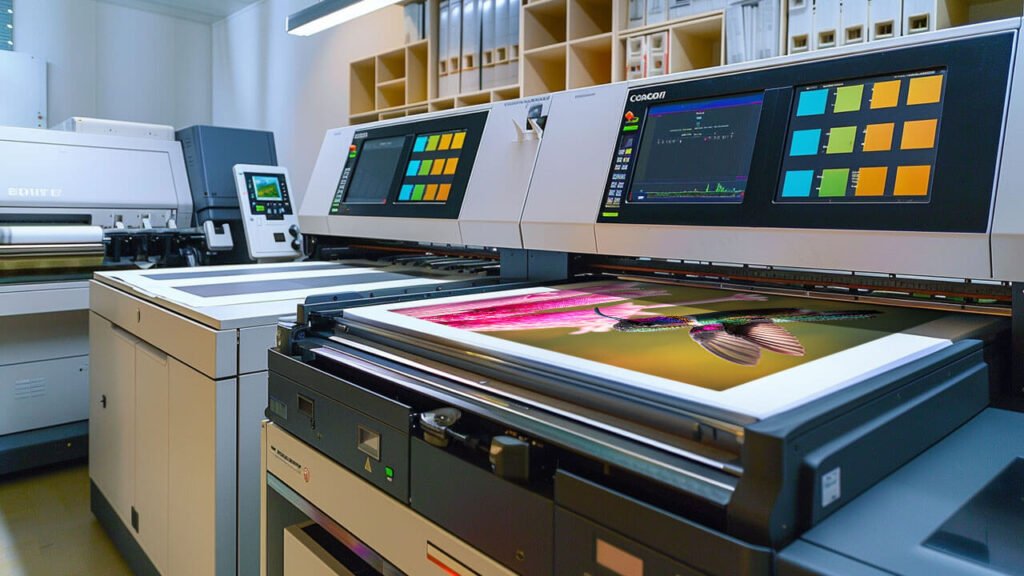
Digital printing transfers a digital file directly onto paper or another printable material. Unlike traditional offset printing, it does not require printing plates before production begins.
This makes digital printing particularly useful for short and medium print runs. Businesses can order the exact quantity they need without committing to a large production volume.
Digital printing is commonly used for:
- Business cards
- Flyers
- Brochures
- Postcards
- Marketing materials
- Event materials
- Short-run catalogs
- Personalized direct mail
- Promotional materials
- Small packaging projects
For Texas businesses that need printed materials quickly, digital printing can provide a practical solution because projects generally require less setup before production.
What Is Offset Printing?
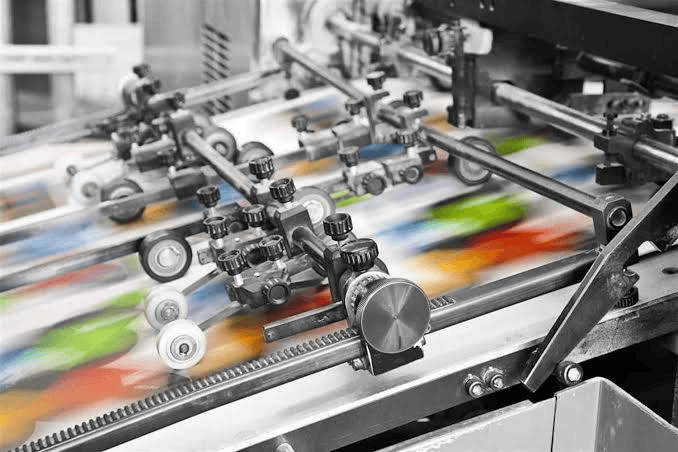
Offset printing is a traditional commercial printing method that uses plates to transfer an image onto a rubber blanket and then onto the printing surface. The setup process is more involved than digital printing, but offset printing can become highly cost-effective when producing large quantities.
Offset printing is often used for:
- Large-volume brochures
- Catalogs
- Magazines
- Books
- Business stationery
- Packaging
- Corporate marketing materials
- High-volume direct mail
- Premium promotional materials
Offset printing also provides extensive options for paper types, inks, finishes, and specialized production requirements.
Digital vs. Offset Printing: Key Differences
The main difference between digital and offset printing is how the image is transferred to the final material. Digital printing works directly from a digital file, while offset printing requires plates and a more traditional production process.
1. Printing Volume
Digital printing is generally better suited to smaller quantities. A company that needs 100 flyers, 250 postcards, or a few hundred business cards may benefit from digital production.
Offset printing becomes more attractive for larger quantities because the initial setup costs can be distributed across a greater number of printed pieces.
For example, a Texas company launching a local promotional campaign may only need a few hundred brochures. A national or statewide campaign requiring tens of thousands of brochures could potentially benefit more from offset printing.
2. Turnaround Time
Digital printing typically requires less preparation, which can make it a strong choice for businesses working with tight deadlines.
This can be especially useful for event promotions, seasonal campaigns, product launches, and printed materials needed for trade shows.
Offset printing involves additional setup, including plate preparation and press configuration. As a result, it may require more production time.
Businesses planning large print campaigns should therefore consider printing schedules well in advance.
3. Cost
Cost depends heavily on the quantity, materials, finishes, and complexity of the project.
Digital printing can be more economical for short runs because there are fewer setup requirements. Businesses do not necessarily need to order thousands of copies simply to make the project financially practical.
Offset printing usually involves higher initial setup costs. However, the per-unit cost can decrease as the print quantity increases.
For large-volume projects, offset printing can therefore offer better long-term value.
4. Customization
Digital printing provides significant flexibility for personalized printing.
Each printed piece can potentially contain different information, making digital printing useful for variable data campaigns. Businesses can customize names, addresses, promotional offers, QR codes, or other information across individual pieces.
This can be valuable for targeted direct mail campaigns in Texas markets.
Offset printing is generally better suited to consistent, high-volume production where every printed piece contains the same design.
5. Color Quality
Both printing methods can produce high-quality results, but they approach color reproduction differently.
Offset printing is known for consistent color reproduction across large print runs. It can also support specialized inks and production techniques that may be important for specific branding requirements.
Digital printing has improved considerably and can deliver excellent color quality for many business applications.
For standard marketing materials, digital printing may provide more than enough quality. For highly controlled corporate branding or premium materials, offset printing may offer additional advantages.
When Should Texas Businesses Choose Digital Printing?
Digital printing can be a strong option when speed, flexibility, and smaller quantities are priorities.
Texas businesses may want to consider digital printing when:
- Only a small quantity is required
- Materials are needed quickly
- Designs may change frequently
- Personalized printing is required
- A business is testing a new marketing campaign
- There is uncertainty about future demand
- Multiple versions of a design are needed
- The project involves variable customer information
For example, a Houston business preparing promotional postcards for a neighborhood campaign may not need thousands of pieces. Digital printing can allow the company to order a quantity that matches the immediate marketing requirement.
When Should Texas Businesses Choose Offset Printing?
Offset printing can be advantageous for large-volume projects where consistent quality and lower unit costs are important.
Businesses may consider offset printing when:
- Large quantities are required
- The same design will be printed repeatedly
- Color consistency is critical
- Specialized inks are required
- Premium paper or finishing is desired
- The project has a longer production timeline
- The cost per piece needs to be minimized at high volumes
A company distributing tens of thousands of catalogs across Texas, for example, may find offset printing more suitable than producing the same volume digitally.
Digital Printing vs. Offset Printing for Marketing Materials
Marketing teams should consider the purpose of the campaign before choosing a printing method.
Digital printing works well for smaller promotional campaigns, personalized mailers, limited-edition materials, and materials that need to be updated frequently.
Offset printing can be better suited to large campaigns involving standardized brochures, catalogs, magazines, or promotional materials.
The choice should not be based solely on the technology. Quantity, deadlines, design requirements, paper selection, and overall campaign strategy should all be considered.
Which Printing Method Is More Environmentally Friendly?
Environmental considerations can also influence a printing decision.
Digital printing can reduce waste for smaller projects because businesses can produce closer to the quantity they actually need. It can also support on-demand production, which reduces the need to store excessive quantities of printed materials.
Offset printing can also be efficient for large-volume projects because high quantities can be produced efficiently once the press is prepared.
Paper selection, ink technology, production waste, transportation, and whether printed materials are actually used can all have an impact on the environmental footprint of a printing project.
For Texas businesses focused on sustainability, discussing available recycled papers, responsible production practices, and appropriate quantities with a printing provider can be useful.
How Texas Businesses Can Choose the Right Printing Method
There is no universal answer to whether digital or offset printing is better. The appropriate option depends on the specific project.
Before selecting a printing method, businesses should evaluate:
Print quantity: Determine how many pieces are actually needed.
Budget: Compare both setup costs and per-unit costs.
Deadline: Consider how quickly the materials must be completed.
Customization: Determine whether individual pieces need different information.
Color requirements: Consider whether precise color matching or specialty inks are necessary.
Paper and finishing: Review available paper stocks, coatings, folding, binding, and other finishing options.
Future demand: Consider whether additional copies will likely be needed later.
Getting quotes based on the actual project specifications can make the comparison more accurate.
Digital and Offset Printing Can Complement Each Other
Businesses do not necessarily have to choose one printing method for every project.
A Texas company may use digital printing for small promotional campaigns, personalized mailers, and urgent materials while using offset printing for large-volume brochures, catalogs, and recurring marketing campaigns.
Using both methods strategically can help businesses balance speed, flexibility, quality, and cost.
Conclusion
Choosing between digital and offset printing depends on the specific needs of each Texas business. Digital printing is often ideal for short runs, quick turnaround times, personalized materials, and projects that require frequent design changes. Offset printing can be a better fit for large-volume orders, consistent branding, specialized finishes, and projects where reducing the per-piece cost is important.
By considering factors such as quantity, budget, deadline, customization, color requirements, and finishing options, Texas businesses can determine which printing method provides the best value. In many cases, using both digital and offset printing for different projects can provide the flexibility needed to support changing business and marketing requirements.
FAQs
Digital printing can be more cost-effective for smaller print runs because it requires less setup. Offset printing may become more economical when producing large quantities because the setup costs are distributed across more printed pieces.
Digital printing is generally faster for smaller projects because it requires less preparation before production. Offset printing typically involves additional setup, making it more suitable for projects that allow more production time.
Both methods can produce high-quality results. Offset printing can provide highly consistent color reproduction and support specialized inks and finishes, while modern digital printing can deliver excellent quality for many everyday business applications.
Digital printing can be a practical choice for many small businesses because it allows smaller quantities, faster turnaround, and greater flexibility. However, offset printing may be worthwhile when a small business needs a large quantity of the same printed material.