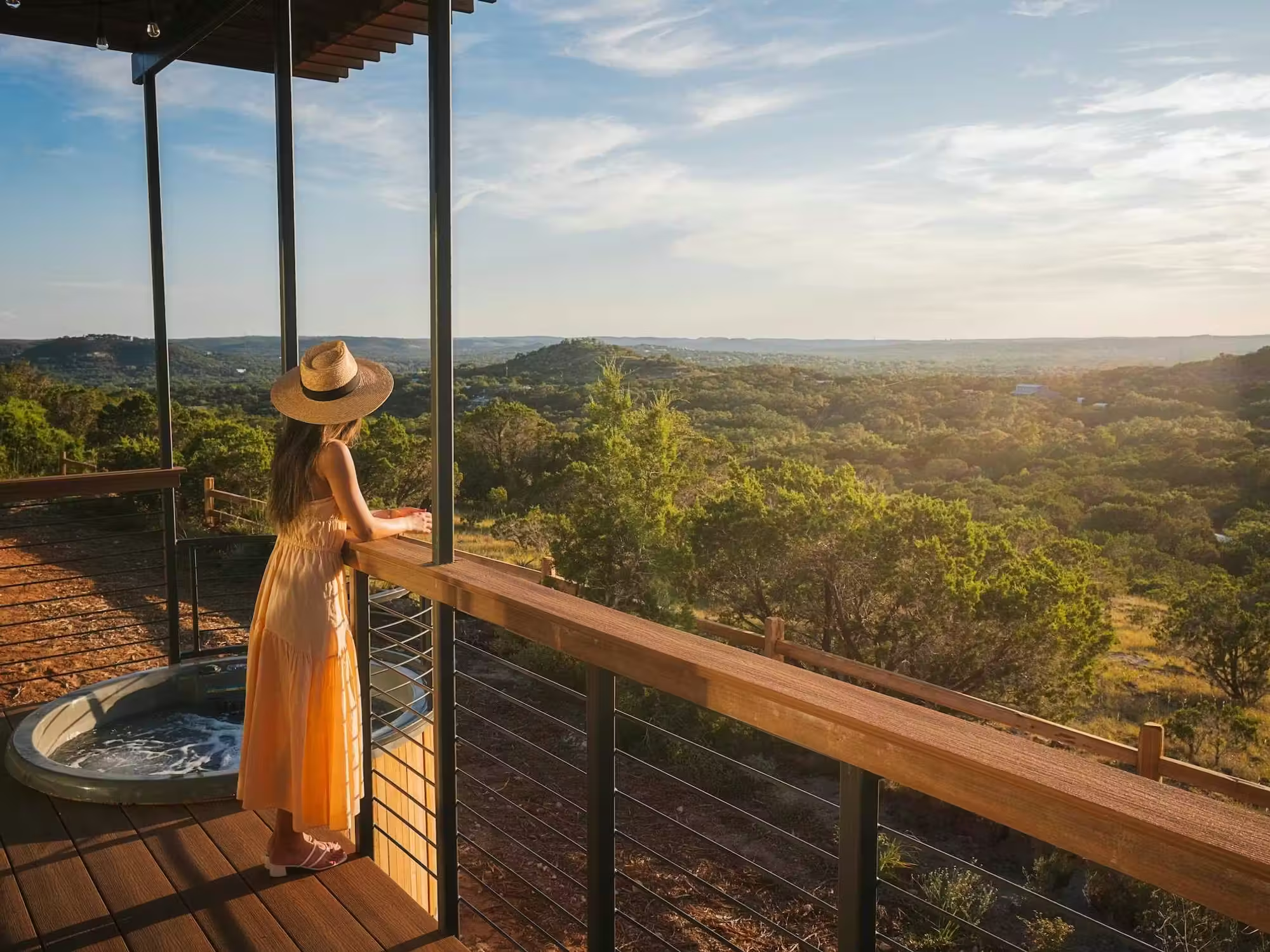
Texas is a year-round destination, but the experience can vary significantly depending on when visitors choose to travel. From blooming wildflowers in spring and sunny beach vacations in summer to colorful fall festivals and mild winter escapes, each season offers unique attractions and activities. Because Texas spans a vast geographic area, weather conditions can differ between regions, making it important to choose the right time based on travel preferences.
For many travelers, the best time to visit Texas depends on whether they plan to explore cities, hike through national parks, relax on the Gulf Coast, or attend seasonal events. Understanding Texas weather by season helps visitors avoid extreme temperatures, plan outdoor adventures, and make the most of their vacation.
This seasonal travel guide explains when to travel to Texas, highlights the advantages of each season, and helps travelers choose the ideal time for sightseeing, outdoor recreation, festivals, and family vacations.
Understanding Texas Weather by Season
Texas experiences a wide range of weather conditions due to its size and diverse landscapes. Northern regions typically experience cooler winters, while southern coastal areas remain relatively mild throughout the year. Summers are generally hot across most of the state, especially inland, whereas spring and fall are known for pleasant temperatures that make outdoor activities more enjoyable.
The table below provides a quick overview of Texas travel seasons.
| Season | Typical Weather | Crowd Levels | Best Activities |
| Spring | Mild and comfortable | Moderate | Wildflowers, hiking, festivals, sightseeing |
| Summer | Hot and humid in many areas | High | Beaches, water parks, family vacations |
| Fall | Warm with cooler evenings | Moderate | Scenic drives, wineries, football, outdoor recreation |
| Winter | Mild in most regions | Low to Moderate | Holiday events, city breaks, coastal escapes |
Although every season has its advantages, travelers should consider weather, crowds, and planned activities before choosing their travel dates.
Spring in Texas
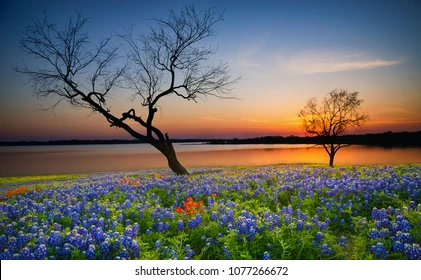
For many visitors, Spring in Texas is the ideal season to explore the state. Between March and May, temperatures are generally comfortable, landscapes become vibrant with blooming wildflowers, and outdoor attractions are at their best.
One of the highlights of spring is the famous bluebonnet season. Highways, parks, and open fields across Texas Hill Country are transformed into colorful landscapes, attracting photographers and nature lovers from around the world. Scenic drives through Fredericksburg, Marble Falls, and Johnson City become especially popular during this time.
Spring is also an excellent season for exploring national and state parks. Comfortable daytime temperatures make hiking, camping, kayaking, and wildlife watching much more enjoyable than during the hotter summer months. Big Bend National Park, Guadalupe Mountains National Park, and Enchanted Rock State Natural Area all experience increased visitor numbers thanks to favorable weather.
Cities such as Austin and San Antonio also come alive during spring with outdoor festivals, farmers markets, live music events, and food celebrations. Sidewalk cafés, parks, and riverfront attractions are particularly enjoyable before the arrival of summer heat.
Travelers planning sightseeing tours, road trips, or outdoor adventures often consider spring the best balance of pleasant weather, natural beauty, and seasonal events.
Summer Vacations in Texas
Summer is the busiest travel season for families, students, and beachgoers. From June through August, schools are on break, making summer vacations in Texas especially popular.
The Gulf Coast becomes one of the state’s busiest regions during this period. Destinations such as Galveston, South Padre Island, and Port Aransas attract visitors looking for sandy beaches, water sports, dolphin tours, fishing charters, and coastal resorts. Water parks throughout Texas also become major attractions for families seeking relief from the heat.
Although summer offers long daylight hours and countless recreational opportunities, travelers should prepare for high temperatures. Inland cities including Dallas, Austin, San Antonio, and Houston frequently experience temperatures above 90°F (32°C), while some areas exceed 100°F (38°C). Early morning sightseeing, indoor attractions, and evening activities often provide the most comfortable experience.
Summer is also a season of festivals, outdoor concerts, baseball games, and fireworks celebrations around Independence Day. Families visiting during school holidays will find a wide range of attractions, but should book accommodations well in advance due to increased demand.
Simple preparations such as staying hydrated, wearing lightweight clothing, and planning outdoor activities during cooler parts of the day can make a summer trip much more enjoyable.
Fall Travel in Texas
Many travelers consider autumn one of the most enjoyable times to explore the state. Fall travel in Texas offers warm days, cooler evenings, and comfortable conditions for sightseeing, hiking, and outdoor festivals. From September through November, temperatures become more pleasant across most regions, making it easier to spend long days exploring without the intense summer heat.
Texas Hill Country is particularly beautiful during fall. Scenic drives through Fredericksburg, Wimberley, and Marble Falls showcase changing landscapes, while local wineries host harvest celebrations and tasting events. The season is also popular for hiking in state parks, visiting pumpkin patches, and enjoying outdoor markets.
Sports enthusiasts often plan trips around football season, as college and professional games create an exciting atmosphere in cities such as Austin, Dallas, and Houston. Fall is also home to some of the state’s largest annual events, including fairs, cultural festivals, food celebrations, and music festivals.
With fewer crowds than summer and generally comfortable weather, autumn is an excellent choice for travelers looking for a balanced vacation experience.
Winter Vacations in Texas
Although winter brings colder temperatures to northern parts of the state, much of Texas remains relatively mild compared to many other U.S. destinations. This makes winter vacations in Texas appealing for travelers seeking pleasant weather without heavy snowfall.
Cities such as San Antonio, Houston, and Corpus Christi continue to attract visitors throughout winter thanks to their comfortable daytime temperatures and seasonal events. Holiday light displays, Christmas markets, festive parades, and cultural celebrations create a welcoming atmosphere during November and December.
South Padre Island and parts of the Gulf Coast also remain popular during winter, particularly among visitors looking to escape colder climates. Wildlife enthusiasts can enjoy birdwatching along the coast, while city travelers benefit from shorter lines at major attractions and museums.
Winter is also a good time to explore indoor attractions, including art museums, science centers, aquariums, historic landmarks, and cultural districts across the state.
Best Time to Visit Texas by Activity
The ideal season often depends on what travelers want to experience during their trip.
| Activity | Best Season |
| Hiking & National Parks | Spring, Fall |
| Wildflower Viewing | Spring |
| Beach Vacations | Summer |
| Scenic Road Trips | Spring, Fall |
| Wine Tours | Fall |
| City Sightseeing | Spring, Fall, Winter |
| Wildlife & Birdwatching | Spring, Winter |
| Festivals & Live Music | Spring, Fall |
| Family Vacations | Summer |
| Photography | Spring, Fall |
Spring and fall are generally the most versatile seasons, offering comfortable weather for a wide range of outdoor activities. Summer remains the preferred choice for beach vacations, while winter provides excellent opportunities for relaxed city breaks and holiday travel.
Best Time to Visit Texas by Traveler Type
Different travelers often have different priorities, making certain seasons more suitable than others.
Families
Summer is ideal for families because school vacations allow for longer trips, and attractions such as beaches, water parks, amusement parks, and outdoor events operate at full capacity. Families visiting during spring break can also enjoy pleasant weather and seasonal festivals.
Couples
Spring and fall are popular with couples seeking romantic getaways. Comfortable temperatures make it enjoyable to explore Texas Hill Country, dine outdoors, visit wineries, and take scenic drives through the countryside.
Outdoor Enthusiasts
Hikers, campers, photographers, and wildlife lovers typically prefer spring and fall. Cooler temperatures make exploring destinations such as Big Bend National Park, Guadalupe Mountains National Park, and Enchanted Rock much more comfortable.
Budget Travelers
Traveling during winter or outside major holiday periods often results in lower accommodation prices and fewer crowds. Shoulder seasons can also provide better value while still offering pleasant weather.
First-Time Visitors
Spring and fall are excellent choices for first-time visitors because the comfortable climate makes it easier to enjoy major attractions, walk through historic districts, and experience outdoor events without extreme heat.
Choosing the Right Season for Your Texas Vacation
There is no single answer to what is the best time to visit Texas, as every season offers distinct advantages.
Travelers interested in hiking, sightseeing, and scenic drives may prefer spring or fall, while beach lovers often choose summer despite the warmer temperatures. Visitors looking for festive celebrations, holiday lights, or quieter city breaks may find winter to be the most rewarding time to explore.
Considering personal interests, preferred activities, and regional weather conditions will help travelers select the season that best matches their vacation goals.
Conclusion
Texas is a destination that can be enjoyed throughout the year, with each season offering unique experiences and attractions. Whether visitors are admiring bluebonnets during Spring in Texas, enjoying summer vacations in Texas along the Gulf Coast, experiencing fall travel in Texas through scenic Hill Country, or planning winter vacations in Texas filled with holiday celebrations and mild weather, there is always something to discover.
Understanding Texas weather by season allows travelers to choose the right time based on their interests rather than relying on a single “best” month. By matching the season to the activities they enjoy most, visitors can experience the Lone Star State at its very best.
Frequently Asked Questions
For most travelers, spring (March to May) and fall (September to November) provide the most comfortable weather for sightseeing, outdoor recreation, and festivals.
April and October are often considered two of the best months because they offer mild temperatures, lower humidity, and excellent conditions for exploring both cities and natural attractions.
The rainiest months in Texas are generally May and June, although rainfall varies by region. Central and East Texas typically receive the most spring rainfall, while the Gulf Coast can experience heavier rain during hurricane season from August through October.