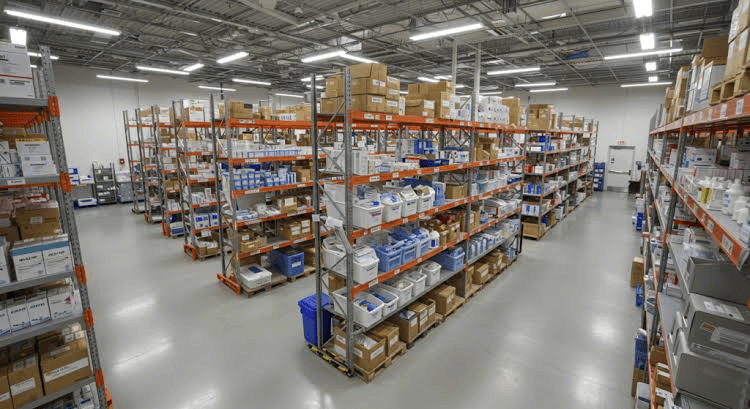
Efficiency in the process of providing services to clients depends on the availability of reliable suppliers for various healthcare organizations in Texas. The healthcare organizations include hospitals, clinics, nursing homes, rehabilitation centers, home health care providers, and medical practitioners. The demand comes from the need for regular supply of disposable materials, equipment, surgical instruments, diagnostic tools and medical products.
Selection of suppliers in the medical industry in Texas is highly significant in ensuring success of the healthcare organization because the performance of the suppliers impacts the operations of the healthcare facility. Lack of supply of goods at the right time, stocking of goods and support from the supplier can bring some challenges such as lack of supplies, delay in treatment, cost of procurement and operations.
Price of the products is significant in the selection of suppliers but there are other factors to be taken into consideration. The effective distributor not only becomes a supplier but also a supply chain partner that will be able to assist health care organizations in inventory management, procurement processes, and ensuring access to the necessary products.
This manual is aimed at assisting health care organizations in selecting the best medical supplies company in Texas by learning about selection criteria, suppliers evaluation, purchasing options, and mistakes to avoid.
Understanding the Role of a Medical Supply Distributor
Medical supply distributors help to link healthcare facilities with manufacturers through providing access to healthcare goods and medical equipment. Healthcare facilities need not maintain relationships with many manufacturers when they can link themselves to a distributor who offers diverse products.
The professional distributor will assist healthcare facilities by offering:
- Medical consumables and disposable products
- Surgical and procedural supplies
- PPE and infection control products
- Diagnostic equipment
- Patient care products
- Medical devices and equipment
- Inventory support
- Delivery and logistics services
In the context of healthcare organizations, collaboration with the right distributor will make the process of procurement easier through simplifying ordering procedures and guaranteeing delivery of supplies on time.
Distributors understand what the needs are for each healthcare organization. For instance, a hospital will need higher buying volumes, but a clinic will need more flexible ordering and deliveries.
Key Factors to Evaluate When Choosing a Medical Supply Distributor in Texas
It is important for healthcare organizations to consider their suppliers properly before entering into a business relationship. A good supplier should be able to provide supplies both in the present and in the future.

Evaluate Product Availability and Supply Range
The availability of the necessary products is one of the key factors in choosing a supplier. Healthcare organizations need to avoid supply shortages due to the effect on their activities.
An established medical supply distributor in Texas must have an ample selection of healthcare products, such as:
- Disposable medical supplies
- Surgical products
- PPE and infection control supplies
- Diagnostic equipment
- Wound care products
- Patient care equipment
- Mobility products
- Laboratory supplies
The supplier with an extensive product line enables healthcare institutions to streamline their buying process by minimizing the number of suppliers that they must deal with.
Healthcare institutions must find out if a distributor can consistently supply frequently used products and how they cope with increased demands.
Assess Inventory Management Capabilities
Product availability is highly dependent on how the supplier controls the inventory. The health facilities must select the suppliers who have well-managed inventory systems.
The following questions are critical:
- Is there sufficient inventory?
- Can they cater for continuous requirements?
- How do they cope with shortages of products?
- Do they provide correct availability data?
- Can they manage emergencies?
The suppliers who have efficient inventory control systems assist the health facilities to avoid buying at the last minute.
Review Delivery Timelines and Logistics Capabilities
Delivery reliability is perhaps one of the major factors to consider when selecting a healthcare supplier. Even if the distributor provides quality products and reasonable prices, slow delivery may pose problems for the operations of a facility.
Healthcare facilities should consider:
- Average delivery time
- Geographical coverage of services
- Order tracking system
- Availability of emergency delivery service
- Reliability of shipping
In many cases, hospitals and other health facilities need supplies within certain deadlines, particularly for items that are in high demand.
An efficient distributor would possess a good logistical system to guarantee proper delivery of orders.
Consider Supplier Experience and Healthcare Industry Knowledge
Procurement in the healthcare sector is unique and presents its own set of difficulties that do not necessarily occur in other industries. An experienced supplier knows the specifics of healthcare and the need to have continuous inventory available.
Some factors to consider when reviewing a distributor are:
- The number of years providing services to the healthcare industry
- Awareness of product requirements for the healthcare industry
- A good understanding of the needs of each individual facility
- Past experience with similar facilities
The supplier can offer great advice in case healthcare facilities seek help in choosing their products or procurement process. For instance, hospitals may need help in large scale procurement, while clinics need suggestions on affordable products.
Evaluate Customer Service and Support
Customer service is essential for maintaining good supplier relations. Healthcare organizations require their distributors to be responsive, effective communicators, and supportive during problems.
The characteristics of a good supplier include:
- Responsive communication
- Account support
- Product recommendations
- Ordering help
- Resolution of problems
Effective customer service will enable healthcare organizations to solve problems quickly and conduct smooth purchasing processes.
Organizations need to check how easily they can communicate with their suppliers and how well they get supported by the distributor after purchase.
Compare Pricing Models and Cost Transparency
The organizations in the healthcare sector need to consider cost and ensure that the products are of high quality. While evaluating the suppliers, the price needs to be considered together with the value of the products.
Professional distributor may provide several pricing alternatives such as:
Standard Pricing
Generally used by organizations buying small quantities.
Wholesale Pricing
This is useful where organizations purchase large quantities.
Volume Discounts
It helps the facilities reduce their costs since they purchase the frequently used products in bulk.
Healthcare organizations need to look beyond the product price. Other considerations include:
- Shipping costs
- Minimum order requirements
- Product replacement policies
- Contract terms
- Long-term savings opportunities
The lowest-priced supplier may not always provide the best value if product availability and service quality are unreliable.
Understand Contract Purchasing Options
It is common practice in many healthcare organizations to employ contract purchasing arrangements as an effective tool to optimize costs and procurement management.
Contract purchasing may bring advantages like:
- Predictable pricing
- Stable availability of products
- Improved budgeting
- Simplified ordering procedures
Prior to making the deal with a supplier, it is crucial for the healthcare organization to consider several key issues, like:
- Are there any fixed prices for a certain period?
- Do the volume discounts apply?
- Are there any purchase minimums?
- What will be done in case of shortage?
- Is there an alternative available?
A well-structured agreement can help organizations build stronger supplier relationships and improve supply chain stability.
Medical Supply Distributor Evaluation Checklist
Before selecting a supplier, healthcare organizations should evaluate the following areas:
| Evaluation Area | Questions to Consider |
| Product Selection | Does the supplier offer the products required by the facility? |
| Availability | Can they maintain consistent inventory levels? |
| Delivery | Are orders delivered accurately and on time? |
| Pricing | Are costs transparent and competitive? |
| Support | Is customer service responsive? |
| Experience | Do they understand healthcare procurement needs? |
| Flexibility | Can they support changing requirements? |
| Reliability | Can they handle recurring and emergency orders? |
It is through an organized evaluation process that the healthcare institutions will make informed decisions when selecting suppliers instead of relying on price only.
How Different Healthcare Facilities Should Evaluate Suppliers
Various health care organizations place different priorities on their purchasing decisions. The best supplier must know what a particular organization needs.
Hospitals
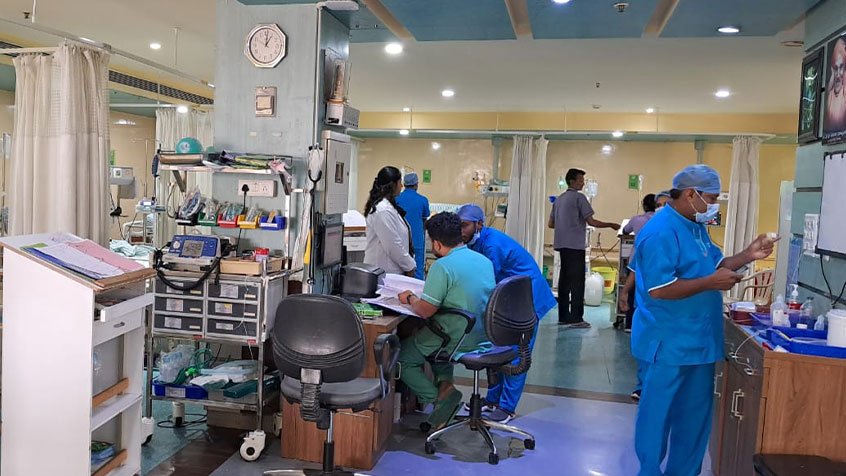
Hospitals usually need a high volume of supplies from different departments. These should include the following:
- High volume of order processing
- Emergency supplies provision
- Wide range of products
- Inventory control
- Purchasing through contract
Since hospitals rely on constant availability of supply, reliability of distributors plays an essential role.
Clinics and Physician Offices

Flexible purchasing is something that many clinics will require since, while the needs are not as great, they will still be necessary.
Some important aspects to consider when choosing a supplier are:
- Easy order placement
- Delivery on time
- Reasonable pricing
- Availability of widely used medical supplies
A flexible purchasing option from a supplier will aid clinics in their cost management.
Nursing Homes and Assisted Living Facilities
Long-term care facilities require recurring access to patient care products and daily-use supplies.

They should evaluate suppliers based on:
- Product consistency
- Delivery reliability
- Patient care product availability
- Long-term purchasing support
Supply interruptions can directly affect resident care, making supplier dependability a priority.
Home Healthcare Agencies
Portable equipment and supplies for home health care services have to be provided at several locations.
Important considerations include:
- Flexible delivery options
- Equipment availability
- Easy ordering processes
- Responsive customer support
Common Mistakes When Choosing a Medical Supply Distributor
Mistakes in selection of the supplier result in excessive costs and difficulties. There are several mistakes that organizations are to avoid while choosing their suppliers.
Selection of the Supplier Only on the Basis of Cost
Although cost is a crucial element, organizations also need to consider the quality, availability and service.
If the supplier is cheap, it will cause additional costs if there will be any delivery delays, shortages or any other problems with products.
Neglecting the Delivery Service of the Supplier
It is very important to select the supplier that offers reliable deliveries and does not have any problems with inventory.
The performance of the supplier needs to be checked before making a long-term deal.
Neglecting the Customer Support Service of the Supplier
It will be difficult to resolve any problems due to poor communication.
Customer support is necessary to be taken into consideration when selecting suppliers.
Not Taking the Comparison of Vendors into Account
The organization has to compare vendors prior to the decision of choosing the supplier.
Comparison allows getting better prices and services.
Questions Healthcare Organizations Should Ask Medical Supply Companies
Before partnering with a supplier, procurement teams should ask:
- Which healthcare products do you deal with?
- How fast is the delivery of the orders?
- Is bulk buying available?
- How do you manage shortages of the products?
- Do you provide recurring supply programs?
- Which healthcare institutions are your current clients?
- Do you provide any account management services?
- What kind of purchasing is possible?
These questions help organizations understand whether a supplier can meet their operational requirements.
How Reliable Distributors Improve Healthcare Supply Management
A reliable supplier can assist in increasing efficiency for healthcare providers through consistency in their products and logistical processes.
Benefits include:
- Reduced supply shortages
- Better inventory planning
- Improved purchasing efficiency
- More predictable costs
- Stronger supply chain management
When a health organization selects the appropriate distributor, it gets more time to attend to other issues rather than supply problems.
Conclusion
Choosing the right medical supplies distributor in Texas involves more than just considering cost factors. In this regard, the medical institutions need to search for suppliers that will be able to provide them with reliable stock, deliveries, good quality products, customer services, and purchasing flexibility.
This particular distributor could serve as a good partner for the medical organization since he would be able to assist the facility in reducing the problems in its supply chain management process.
There are several factors that should be taken into account by medical institutions when selecting a good distributor of medical supplies in Texas.
Frequently Asked Questions
Healthcare organizations should evaluate medical supply companies based on product availability, pricing, delivery reliability, customer support, industry experience, and ability to meet long-term supply needs.
A reliable medical supply distributor provides quality products, consistent inventory, dependable delivery, transparent pricing, responsive support, and experience serving healthcare organizations.
Healthcare facilities should ask about product availability, delivery timelines, pricing options, contract terms, customer support, and how suppliers handle shortages or urgent orders.