Healthcare facilities across Texas depend on reliable medical equipment to support accurate diagnoses, effective treatments, and safe patient care. Hospitals, clinics, nursing homes, rehabilitation centers, and home healthcare agencies all require specialized equipment based on their services, patient population, and operational requirements.
From diagnostic devices that help healthcare professionals identify medical conditions to patient care equipment that improves mobility, comfort, and recovery, medical equipment plays a critical role in modern healthcare delivery. However, purchasing medical equipment involves more than selecting advanced technology. Healthcare organizations must consider product quality, equipment reliability, maintenance requirements, supplier support, total costs, and long-term usability before making investment decisions.
The increasing demand for healthcare services throughout Texas has created a growing need for dependable medical equipment suppliers in Texas that can provide high-quality products along with installation support, technical assistance, maintenance services, and ongoing customer support.
Whether a facility requires diagnostic devices for patient evaluation, monitoring equipment for critical care, mobility solutions for long-term patients, or durable medical equipment for daily healthcare needs, selecting the right supplier can significantly impact operational efficiency and patient outcomes.
A reliable equipment partner helps healthcare organizations access products that match their clinical requirements while reducing equipment downtime and unnecessary expenses. This guide explains the major categories of medical equipment used by Texas healthcare facilities, factors to consider when purchasing equipment, how to evaluate suppliers, and whether buying or renting equipment is the right choice.
Understanding Medical Equipment Needs in Texas Healthcare Facilities
Every healthcare organization has different equipment requirements depending on its size, specialty, patient volume, and services provided. A large hospital system may require advanced diagnostic equipment, emergency care devices, surgical equipment, and extensive patient monitoring systems, while a private clinic may only need examination tools, basic diagnostic devices, and routine patient care equipment.
Before investing in medical equipment, healthcare organizations should understand their current needs, future growth plans, and operational goals. Purchasing unnecessary equipment can increase expenses, while selecting inadequate equipment may affect workflow efficiency and patient care quality.
Healthcare facilities typically use medical equipment for several important purposes, including diagnosis, treatment, patient monitoring, emergency response, mobility assistance, and long-term patient support.
A well-planned equipment purchasing strategy allows organizations to:
- Improve patient care efficiency
- Reduce equipment-related interruptions
- Control operational costs
- Improve staff productivity
- Maintain compliance with healthcare requirements
Experienced medical equipment suppliers in Texas can help organizations identify suitable products based on their facility type, clinical needs, and budget considerations.
Major Categories of Medical Equipment Used by Healthcare Facilities
Medical equipment includes a wide range of products designed to support different areas of healthcare operations. Depending on their services, facilities may require diagnostic equipment, monitoring systems, durable medical equipment, examination tools, and specialized treatment devices.
Understanding the purpose of each equipment category helps healthcare organizations make informed purchasing decisions and select products that provide long-term value.
Diagnostic Equipment for Healthcare Facilities
Diagnostic equipment plays an essential role in helping healthcare professionals identify medical conditions, evaluate patient health, and make accurate treatment decisions. Reliable diagnostic devices allow physicians and healthcare teams to collect important information quickly and improve patient outcomes.
Healthcare facilities commonly use diagnostic equipment such as blood pressure monitors, digital thermometers, pulse oximeters, ECG machines, laboratory testing devices, examination equipment, and imaging systems.
For hospitals and clinics, diagnostic accuracy is one of the most important factors when selecting equipment. Even small errors in readings can affect treatment decisions, which is why healthcare organizations should prioritize equipment quality and reliability.
When evaluating diagnostic equipment, facilities should consider several factors, including:
- Accuracy and performance
- Manufacturer reputation
- Ease of operation
- Maintenance requirements
- Availability of replacement parts
- Warranty and technical support
A dependable diagnostic equipment supplier in Texas should provide products that meet healthcare standards and offer support throughout the equipment lifecycle. This includes helping organizations select suitable devices, providing installation assistance, and ensuring access to maintenance services when needed.
Investing in reliable diagnostic equipment allows healthcare providers to improve workflow efficiency while supporting better patient care.
Patient Monitoring Equipment for Healthcare Facilities
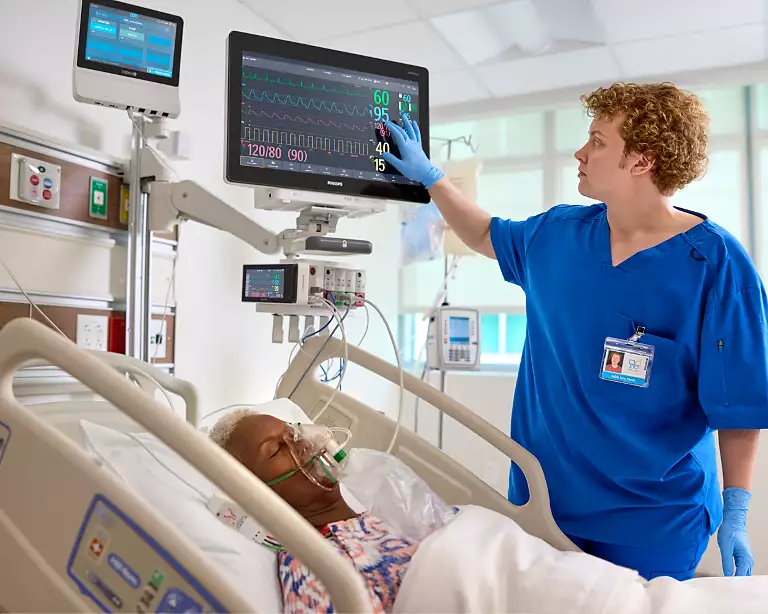
Patient monitoring equipment allows healthcare professionals to continuously track important health indicators and respond quickly when changes occur. These devices are especially important in hospitals, emergency departments, intensive care units, and specialty healthcare facilities where patients require close observation.
Common patient monitoring equipment includes vital sign monitors, cardiac monitoring systems, oxygen monitoring devices, blood glucose monitoring systems, and remote patient monitoring solutions.
These devices help healthcare teams monitor important health information such as:
- Heart rate
- Blood pressure
- Oxygen levels
- Respiratory activity
- Other vital health indicators
When selecting patient monitoring systems, healthcare organizations should evaluate how well the equipment supports their clinical workflow.
Important considerations include:
Equipment Accuracy and Reliability
Monitoring devices must provide consistent and accurate readings because healthcare professionals depend on this information when making treatment decisions.
Integration Capabilities
Many healthcare facilities prefer equipment that can integrate with existing healthcare technology systems to improve data management and accessibility.
Ease of Use
Equipment should be simple for healthcare staff to operate, especially in environments where quick decisions are required.
Training and Support
Suppliers should provide proper training and technical assistance to ensure healthcare teams can use equipment effectively.
Reliable monitoring equipment improves patient safety, supports faster decision-making, and helps healthcare facilities deliver more efficient care.
Durable Medical Equipment (DME)
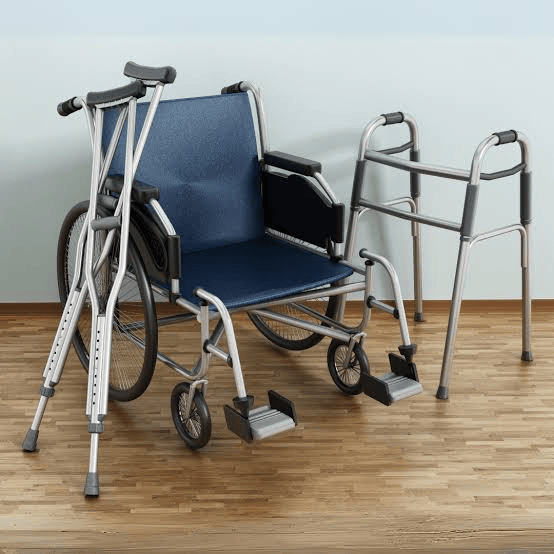
Durable medical equipment supports patients who require assistance with mobility, recovery, or long-term healthcare needs. Unlike disposable medical products, durable equipment is designed for extended use and requires careful evaluation before purchase.
Durable medical equipment suppliers in Texas commonly provide products for hospitals, nursing homes, rehabilitation centers, assisted living facilities, and home healthcare providers.
Common durable medical equipment includes:
- Hospital beds
- Wheelchairs
- Walkers
- Patient lifts
- Mobility assistance devices
- Respiratory equipment
- Patient support equipment
For healthcare facilities managing long-term patient care, selecting durable equipment requires consideration of patient safety, comfort, reliability, and ease of maintenance.
Healthcare organizations should evaluate:
Product Durability
Medical equipment should withstand regular use while maintaining performance and safety standards.
Patient Comfort and Usability
Equipment should support patient needs while allowing healthcare staff to provide efficient care.
Maintenance Requirements
Facilities should understand maintenance schedules, repair options, and replacement requirements before purchasing.
Supplier Support
A reliable supplier should provide assistance with installation, servicing, and equipment-related questions.
Choosing high-quality durable medical equipment can improve patient experiences while reducing long-term operational challenges.
Examination and Treatment Equipment
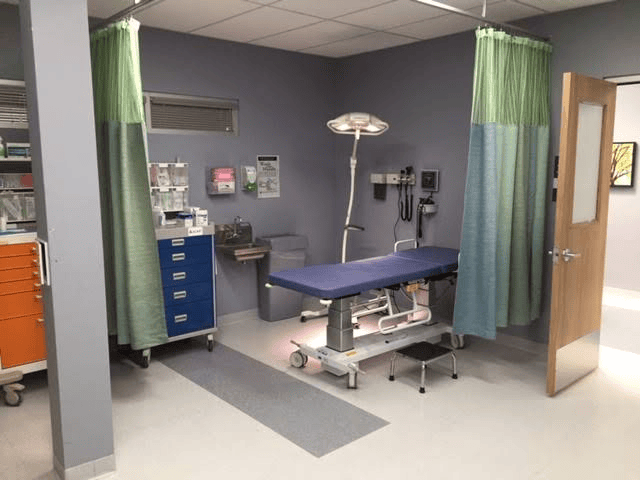
Examination and treatment equipment supports routine healthcare procedures, patient evaluations, and outpatient services. While these products may not involve the same level of technology as advanced diagnostic systems, they are essential for efficient healthcare operations.
Common examination and treatment equipment includes examination tables, medical carts, treatment chairs, patient positioning devices, and procedure equipment.
Clinics, physician offices, hospitals, and specialty healthcare centers depend on these products for daily patient interactions.
When selecting examination and treatment equipment, healthcare organizations should consider:
- Equipment durability
- Ease of cleaning and maintenance
- Ergonomic design
- Patient comfort
- Space requirements
- Workflow efficiency
Well-designed examination equipment can improve staff productivity while creating a more comfortable environment for patients.
Medical Equipment Requirements by Healthcare Facility Type
Different healthcare facilities require different equipment solutions based on their services, patient needs, and operational goals. Understanding these differences helps organizations purchase equipment that provides the greatest value.
Medical Equipment Needed by Hospitals
Hospitals require the widest range of medical equipment because they provide emergency care, surgery, diagnostics, inpatient treatment, and specialized medical services.
Hospital equipment commonly includes:
- Patient monitoring systems
- Diagnostic devices
- Emergency equipment
- Surgical equipment
- Hospital beds
- Respiratory care devices
Because hospitals operate continuously and serve large patient populations, equipment reliability and supplier support are critical.
Hospitals often work with experienced suppliers that can provide:
- Large-scale equipment solutions
- Installation services
- Maintenance programs
- Product availability
- Technical support
A dependable supplier helps hospitals reduce equipment downtime and maintain efficient healthcare operations.
Medical Equipment Needed by Clinics and Physician Offices
Clinics and physician offices typically require medical equipment that supports routine examinations, diagnosis, and outpatient treatment. Unlike hospitals that may need complex systems across multiple departments, clinics usually focus on equipment that improves examination efficiency and supports everyday patient care.
Common equipment used by clinics includes examination tables, vital sign monitoring devices, diagnostic tools, medical carts, treatment equipment, and basic patient care devices.
When selecting equipment, clinics should consider factors such as patient volume, available space, service requirements, and future growth. Investing in equipment that matches the facility’s needs helps avoid unnecessary expenses while ensuring healthcare providers have the tools required for effective patient care.
Many clinics prefer working with experienced medical equipment suppliers in Texas that offer flexible purchasing options, reliable product availability, and support services tailored to smaller healthcare facilities.
Medical Equipment Needed by Nursing Homes and Assisted Living Facilities
Nursing homes and assisted living facilities require medical equipment focused on patient safety, mobility support, comfort, and long-term care management. Since many residents require ongoing assistance, reliable equipment availability is essential for daily operations.
Common equipment used in nursing and assisted living facilities includes:
- Hospital beds
- Patient lifts
- Wheelchairs
- Mobility support devices
- Monitoring equipment
- Safety equipment
Durable medical equipment is especially important in these environments because residents often depend on these products for movement, rehabilitation, and daily care activities.
When choosing equipment, nursing facilities should evaluate patient comfort, ease of use, durability, and maintenance requirements. Equipment failures can affect both staff efficiency and resident safety, making supplier reliability an important consideration.
Working with dependable durable medical equipment suppliers in Texas helps long-term care facilities maintain consistent access to essential products and reduce operational disruptions.
Medical Equipment Needed by Rehabilitation Centers
Rehabilitation centers require specialized equipment designed to support recovery, mobility improvement, and physical therapy programs. These facilities focus on helping patients regain strength, independence, and functional abilities after injuries, surgeries, or medical conditions.
Common rehabilitation equipment includes:
- Therapy equipment
- Mobility assistance devices
- Exercise support products
- Recovery equipment
- Patient positioning systems
Rehabilitation equipment should be selected based on patient needs and the types of therapy services offered by the facility.
Healthcare organizations should consider equipment flexibility, durability, safety features, and ease of use when making purchasing decisions.
A supplier with healthcare industry experience can help rehabilitation centers choose equipment that supports effective treatment programs while providing long-term value.
Medical Equipment Needed by Home Healthcare Agencies
Home healthcare agencies require equipment that allows healthcare professionals to provide care outside traditional medical facilities. Since equipment must often be transported between locations, portability and ease of operation are important considerations.
Common home healthcare equipment includes:
- Portable monitoring devices
- Mobility aids
- Respiratory equipment
- Patient support products
- Home care equipment
Home healthcare providers should work with suppliers that offer dependable delivery services and equipment designed for practical use in residential environments.
Reliable access to medical equipment allows home healthcare professionals to provide consistent care while supporting patient independence.
How to Choose Medical Equipment Suppliers in Texas
Selecting the right supplier is one of the most important decisions healthcare organizations make. A supplier does more than provide equipment; they also influence product quality, maintenance support, delivery reliability, and long-term operational efficiency.
Healthcare facilities should evaluate several factors before choosing a supplier.
Evaluate Equipment Quality and Reliability
Medical equipment directly impacts patient care, making product quality one of the most important purchasing considerations.
Healthcare organizations should review:
- Manufacturer reputation
- Product certifications
- Safety standards
- Equipment durability
- Expected lifespan
High-quality equipment may require a higher initial investment, but reliable products often provide better long-term value by reducing repairs, replacements, and operational interruptions.
Healthcare facilities should avoid selecting equipment based only on price because lower-cost products may not always provide the reliability required in clinical environments.
Consider Supplier Experience and Healthcare Knowledge
Medical equipment purchasing requires specialized knowledge. Suppliers experienced in healthcare understand the challenges faced by hospitals, clinics, and other medical organizations.
A knowledgeable supplier can help facilities identify suitable equipment based on:
- Clinical requirements
- Facility size
- Patient needs
- Budget limitations
- Future expansion plans
When evaluating suppliers, healthcare organizations should consider their industry experience, technical knowledge, customer support capabilities, and ability to provide ongoing assistance.
An experienced medical equipment supplier in Texas can provide valuable guidance throughout the purchasing process, from product selection to installation and maintenance.
Review Maintenance and Technical Support Services
Medical equipment requires regular maintenance to remain safe, accurate, and functional. Before purchasing equipment, healthcare organizations should understand what support services suppliers provide after the sale.
Important questions include:
- Does the supplier provide maintenance services?
- Is technical support available?
- How quickly are repairs handled?
- Are replacement parts available?
- What warranty options are offered?
Reliable maintenance support reduces equipment downtime and helps healthcare organizations protect their investment.
A supplier that provides strong after-sales service can become a long-term partner rather than simply a product provider.
Evaluate Delivery and Installation Capabilities
Many types of medical equipment require professional delivery, installation, and setup. This is especially important for larger equipment used in hospitals and healthcare facilities.
Healthcare organizations should evaluate:
- Delivery timelines
- Installation support
- Equipment setup assistance
- Staff training availability
A supplier with reliable logistics capabilities helps ensure equipment arrives safely and becomes operational without unnecessary delays.
For healthcare facilities, dependable delivery is essential because equipment shortages or installation delays can affect patient care operations.
Buying vs Renting Medical Equipment
Healthcare organizations often face the decision of whether to purchase or rent medical equipment. The right choice depends on equipment usage, budget considerations, and long-term facility requirements.
Both options can provide advantages depending on the situation.
Benefits of Buying Medical Equipment
Purchasing equipment is often beneficial for healthcare organizations that need regular, long-term access to specific products.
Advantages of buying include:
- Long-term ownership
- Greater equipment availability
- Reduced costs over extended use
- More control over equipment management
Buying is usually suitable for equipment that is frequently used and expected to remain valuable for several years.
For example, hospitals and clinics may benefit from purchasing commonly used diagnostic devices or patient care equipment because replacing rental equipment repeatedly may become more expensive over time.
Benefits of Renting Medical Equipment
Renting medical equipment can be a practical solution for temporary needs or situations where purchasing may not be financially practical.
Benefits of renting include:
- Lower upfront costs
- Flexibility for short-term requirements
- Access to newer technology
- Reduced maintenance responsibilities
Healthcare facilities may choose rental options when:
- Equipment is needed temporarily
- Patient demand changes
- A facility wants to test equipment before purchasing
- A specialized device is required occasionally
Rental solutions provide flexibility, especially for organizations managing changing patient needs.
Factors to Consider Before Buying or Renting
Healthcare organizations should evaluate several factors before deciding between purchasing and renting.
Important considerations include:
Equipment Usage Frequency
Equipment used regularly may provide better value when purchased, while rarely used equipment may be more practical to rent.
Budget Availability
Facilities should consider both immediate expenses and long-term costs.
Equipment Lifespan
Organizations should evaluate how long the equipment is expected to remain useful.
Maintenance Requirements
Maintenance costs should be included when comparing purchase and rental options.
Future Healthcare Needs
Facilities should consider whether equipment requirements may change as patient needs and technology evolve.
A careful evaluation helps organizations make financially responsible decisions.
Important Medical Equipment Purchasing Considerations
Purchasing medical equipment requires careful planning to ensure organizations receive the right products at the right value.
Budget Planning
Healthcare facilities should consider the complete cost of ownership, including:
- Initial purchase price
- Maintenance expenses
- Repairs
- Staff training
- Replacement parts
Looking beyond the initial cost helps organizations avoid unexpected expenses.
Equipment Specifications
Healthcare organizations should ensure equipment meets their clinical requirements.
Important considerations include:
- Features
- Compatibility with existing systems
- Ease of use
- Performance capabilities
Selecting equipment based on actual operational needs prevents unnecessary purchases.
Warranty and Support
Warranty coverage provides financial protection and ensures organizations have access to assistance if problems occur.
Healthcare facilities should review:
- Warranty duration
- Service coverage
- Repair policies
- Replacement options
Training Requirements
Proper training ensures healthcare professionals can safely and effectively operate equipment.
Suppliers that provide training support can help organizations improve equipment usage and reduce operational issues.
Common Mistakes When Purchasing Medical Equipment
Healthcare organizations should avoid several common purchasing mistakes that can increase costs or create operational challenges.
Choosing Equipment Based Only on Price
The lowest-priced option may not always provide the best value. Poor-quality equipment can lead to frequent repairs, replacement costs, and workflow interruptions.
Organizations should evaluate overall value, including reliability, support, and long-term performance.
Ignoring Maintenance Requirements
Some healthcare facilities focus only on the purchase price and overlook ongoing maintenance expenses.
Failure to plan for maintenance can result in:
- Equipment downtime
- Higher repair costs
- Reduced equipment lifespan
Understanding maintenance needs before purchasing helps organizations manage expenses effectively.
Not Considering Future Needs
Healthcare requirements change over time. Purchasing equipment without considering future needs may result in products that quickly become outdated.
Organizations should evaluate whether equipment can support future growth and technology changes.
Failing to Research Suppliers
Choosing a supplier without reviewing experience, customer service, and support capabilities can create long-term challenges.
Healthcare facilities should evaluate suppliers carefully before establishing long-term purchasing relationships.
Cost-Saving Strategies for Healthcare Equipment Purchasing
Healthcare organizations can reduce equipment expenses while maintaining quality by following strategic purchasing practices.
Effective strategies include:
Comparing Multiple Suppliers
Reviewing different suppliers helps organizations understand pricing options and identify better service opportunities.
Negotiating Purchasing Agreements
Long-term relationships may provide access to improved pricing, service agreements, and additional support.
Considering Refurbished Equipment
For certain equipment categories, refurbished products may provide cost savings when sourced from reliable providers.
Planning Purchases in Advance
Strategic planning allows organizations to avoid emergency purchases and make better financial decisions.
Evaluating Total Ownership Costs
Organizations should consider purchase price, maintenance, repairs, and lifespan rather than focusing only on upfront expenses.
Conclusion
Selecting the right medical equipment is essential for healthcare organizations that want to provide efficient, safe, and reliable patient care. From diagnostic devices and monitoring systems to durable medical equipment and patient support solutions, every purchasing decision should be based on quality, reliability, cost, and long-term value.
Working with experienced medical equipment suppliers in Texas allows healthcare facilities to access dependable products, professional support, maintenance services, and equipment solutions designed around their specific needs.
Healthcare organizations should evaluate suppliers based on product quality, industry experience, delivery capabilities, technical support, and warranty options. Whether purchasing diagnostic equipment, patient monitoring devices, or durable medical equipment, choosing the right supplier can improve operational efficiency and support better healthcare outcomes.
A strategic approach to medical equipment purchasing helps Texas healthcare facilities control costs, reduce operational challenges, and ensure healthcare professionals have access to the tools required for quality patient care.
Frequently Asked Questions
Healthcare facilities require different types of equipment depending on their services. Common categories include diagnostic equipment, patient monitoring systems, examination equipment, treatment devices, mobility equipment, and durable medical equipment.
Hospitals evaluate suppliers based on product quality, equipment availability, pricing, technical support, maintenance services, delivery reliability, and healthcare industry experience.
Durable medical equipment helps patients with mobility, recovery, long-term care, and daily healthcare needs in hospitals, nursing facilities, rehabilitation centers, and home healthcare settings.
Schema
<script type=”application/ld+json”>
{
“@context”: “https://schema.org”,
“@type”: “FAQPage”,
“mainEntity”: [
{
“@type”: “Question”,
“name”: “What Types of Medical Equipment do Healthcare Facilities Need?”,
“acceptedAnswer”: {
“@type”: “Answer”,
“text”: “Healthcare facilities require different types of equipment depending on their services. Common categories include diagnostic equipment, patient monitoring systems, examination equipment, treatment devices, mobility equipment, and durable medical equipment.”
}
},
{
“@type”: “Question”,
“name”: “How Do Hospitals Choose Medical Equipment Suppliers in Texas?”,
“acceptedAnswer”: {
“@type”: “Answer”,
“text”: “Hospitals evaluate suppliers based on product quality, equipment availability, pricing, technical support, maintenance services, delivery reliability, and healthcare industry experience.”
}
},
{
“@type”: “Question”,
“name”: “What is Durable Medical Equipment Used for?”,
“acceptedAnswer”: {
“@type”: “Answer”,
“text”: “Durable medical equipment helps patients with mobility, recovery, long-term care, and daily healthcare needs in hospitals, nursing facilities, rehabilitation centers, and home healthcare settings.”
}
}
]
}
</script>