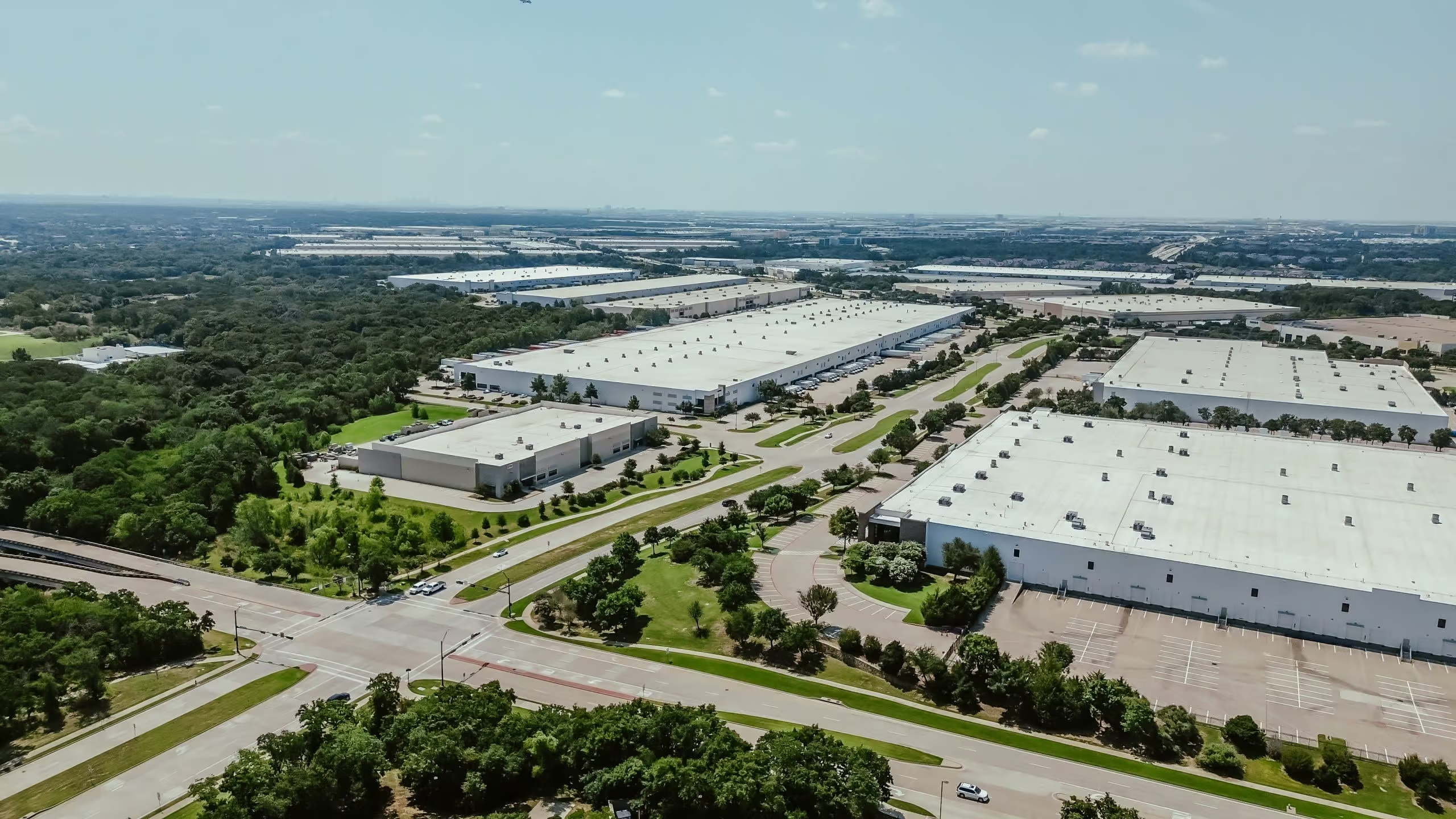
Texas is maintaining its reputation of being a key logistics and distribution center with new industrial developments, property acquisitions, and investments taking place all over the state. Recent developments taking place in North Texas, South Texas, and other regions close to transportation routes indicate optimism about the future of the industry of freight, warehousing, and logistics.
These recent developments are due to the following factors which have made Texas logistics properties favorable.
Cross-Border Logistics Development Gains Attention in South Texas
In Roma, at the U.S.-Mexico border, the development of the Las Americas Logistics & Industrial Park is ongoing as local authorities seek to lure warehouse, cold storage, light manufacturing and distribution firms.
The Park has 21 industrial lots available for lease, of which six have been sold. While tenant absorption has been slower than originally anticipated due to uncertainties surrounding tariffs and U.S. trade policies, local officials expect greater activity once trade becomes stable.
Roma has easy access to Mexico through the Roma–Ciudad Miguel Alemán International Bridge. This bridge has become an important trade link between Texas and northern Mexico as trucking and cross-border activities continue to grow.
Infrastructure investments are also playing a role in boosting the area’s attractiveness. A water booster station is currently being developed, which will enable the necessary water pressure and flow needed for industrial users, including warehouses, cold storage facilities and light manufacturers.
Furthermore, local officials are marketing the logistics park to Mexican markets such as Monterrey and agricultural trade hubs. The goal is to establish Roma as a gateway for produce and industrial goods trade between Texas and northern Mexico.
H-E-B Plans Major North Texas Supply Chain Campus
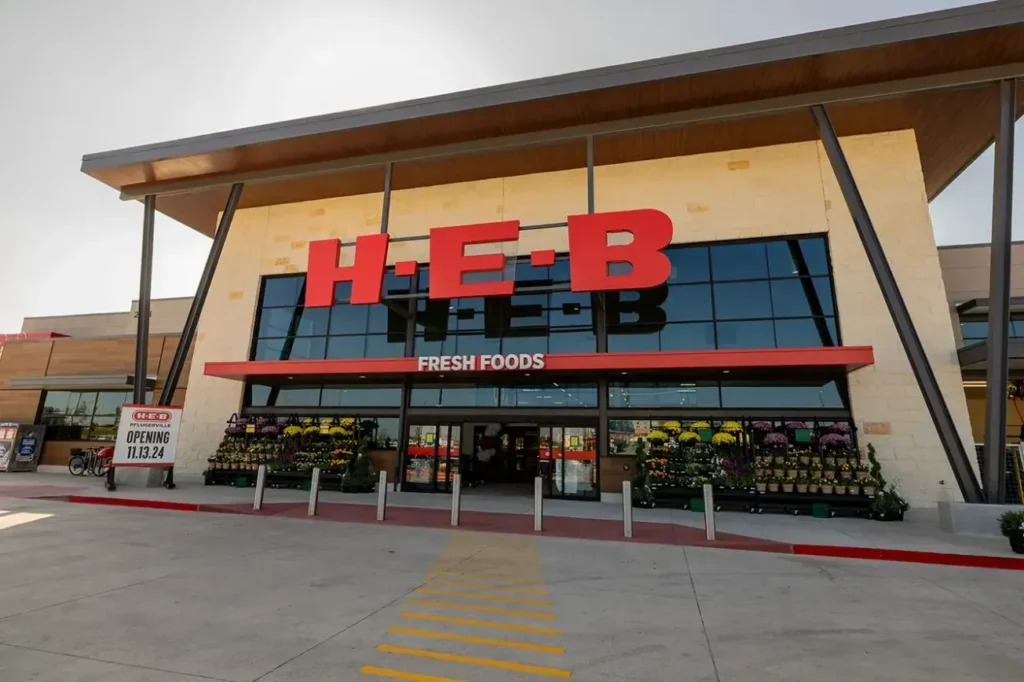
Logistics is also seeing heavy investments in North Texas. H-E-B has purchased more than 600 acres in Valley View for its future master-planned logistics campus on the Interstate 35.
This site is situated about 60 to 70 miles north of the Dallas-Fort Worth metroplex and is expected to facilitate logistics operations like warehousing and distribution among others.
The planned logistics campus is part of the logistics expansion program by H-E-B as the company expands into North and West Texas. The development is expected to be phased but no time frame for the construction process has been disclosed yet.
Being located on I-35 gives an easy access to the north-south transport corridor that runs through important Texas markets. From a logistics point of view, being near a highway can bring certain benefits.
Why Texas Remains Attractive for Logistics Real Estate
The latest developments of Roma and North Texas provide examples of the diversity of logistics-related development options that have appeared throughout Texas. From border cities facilitating international trade to large urban areas that need more distribution capacity, various regions of Texas take advantage of interdependent supply chain trends.
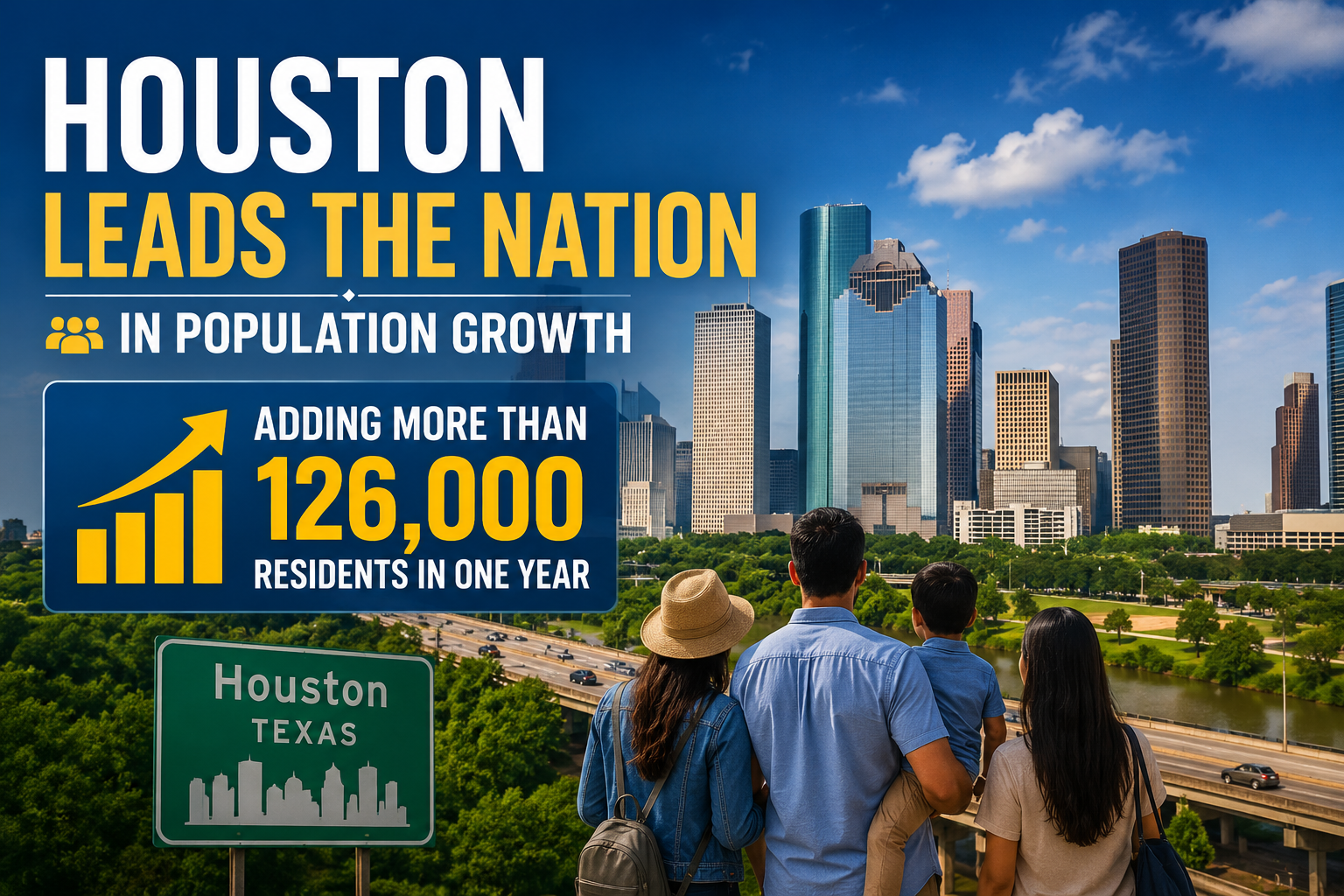
The other key driver of change is the population growth. The development of Texas cities and their adjacent communities creates the need for larger distribution networks capable of supporting retailers and manufacturers selling their goods in a bigger customer base.
As far as international trade is concerned, it remains one of the drivers of change for locations near the U.S.-Mexico border and major transportation corridors. Further investments into Texas infrastructure can strengthen the capability of these locations to draw logistics businesses.
In the case of developers and companies interested in industrial real estate, the accessibility of transportation infrastructure, availability of land, capacity of utilities and proximity to customers will still be considered.
Infrastructure Could Shape Future Logistics Growth
There is an increasing connection between infrastructure investment and logistics real estate development because industrial property requires not just land but also reliable utilities and infrastructure.
The project of improving water at the Las Americas Logistics & Industrial Park is an example of the way that public infrastructure can help develop private industrial property.
Likewise, the construction of facilities along major highways shows the relevance of connectivity via transport. As the volume of freight and its distribution changes, regions with a good transport connection, including bridges, ports, and borders, could be especially appealing for logistics firms.
Texas Logistics Market Faces Both Opportunities and Challenges
While the industry enjoys good long-term fundamentals, there are still some concerns. The volatility of tariffs and international trade policies may have an impact on business tenants and their decision-making process, as well as on manufacturing and cross-border shipments.
The example of Roma illustrates how such factors may affect industrial property absorption. Developers and local authorities should be ready to adapt to new situations as companies analyze trade trends.
However, long-term demographic growth, expanding retail networks and the strategic importance of Texas as a national transportation center create incentives for further investments in logistics real estate.
The presence of established freight corridors and emerging industrial areas allows Texas to boast a diverse logistics real estate market. Developers seek to take advantage of established metropolitan areas, while small border cities strive to attract more cross-border business.
Conclusion
Recent logistics real estate trends within Texas have revealed that investments will keep coming in terms of supply chain infrastructure. Development of the Las Americas Logistics & Industrial Park in Roma and the upcoming supply chain campus for H-E-B in North Texas are examples of how border trade, highway proximity, population expansion, and distribution needs continue to shape the development of industrial assets.
Even though trade policies and market absorption remain key issues to consider, Texas continues to offer strategic areas for logistics, warehousing, and manufacturing industries. Expansion of supply chains by companies might place Texas’ industrial assets at the core of its logistics development strategy.
FAQs
Texas offers a combination of major highways, growing population centers, international trade connections and access to important freight markets. These factors can make the state attractive for warehousing, distribution and supply chain operations.
H-E-B has acquired more than 600 acres in Valley View for a future master-planned supply chain campus. The project is expected to support warehousing, distribution and other supply chain activities as the retailer expands.
Population growth, retail expansion, cross-border trade, transportation investment and supply chain demand could continue influencing the market. Tariffs, trade policy and changes in freight activity may also affect development and tenant demand.