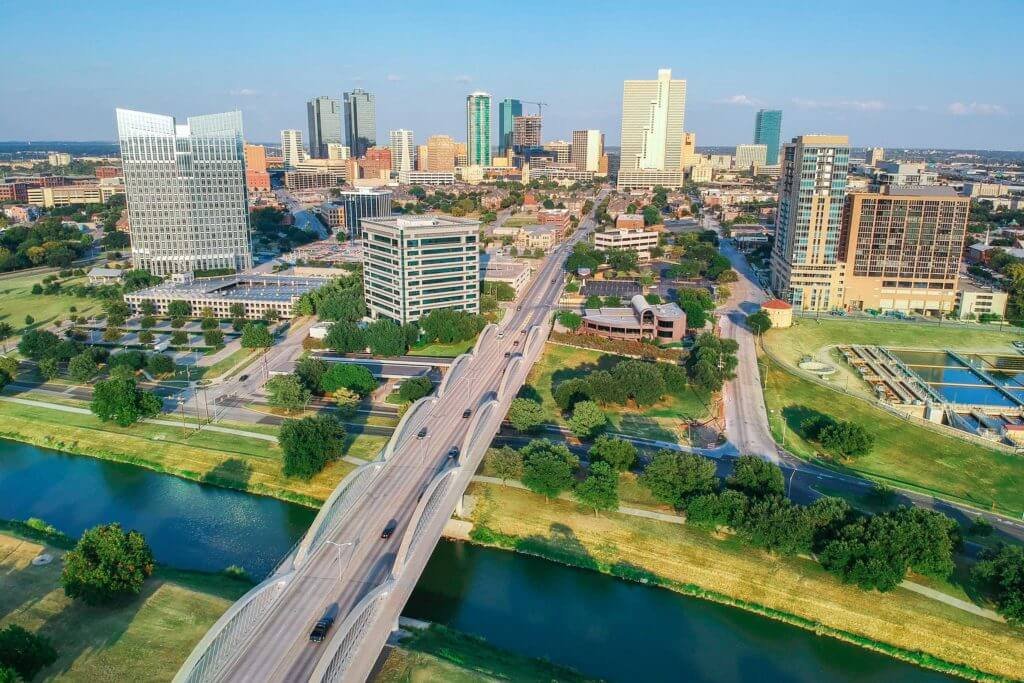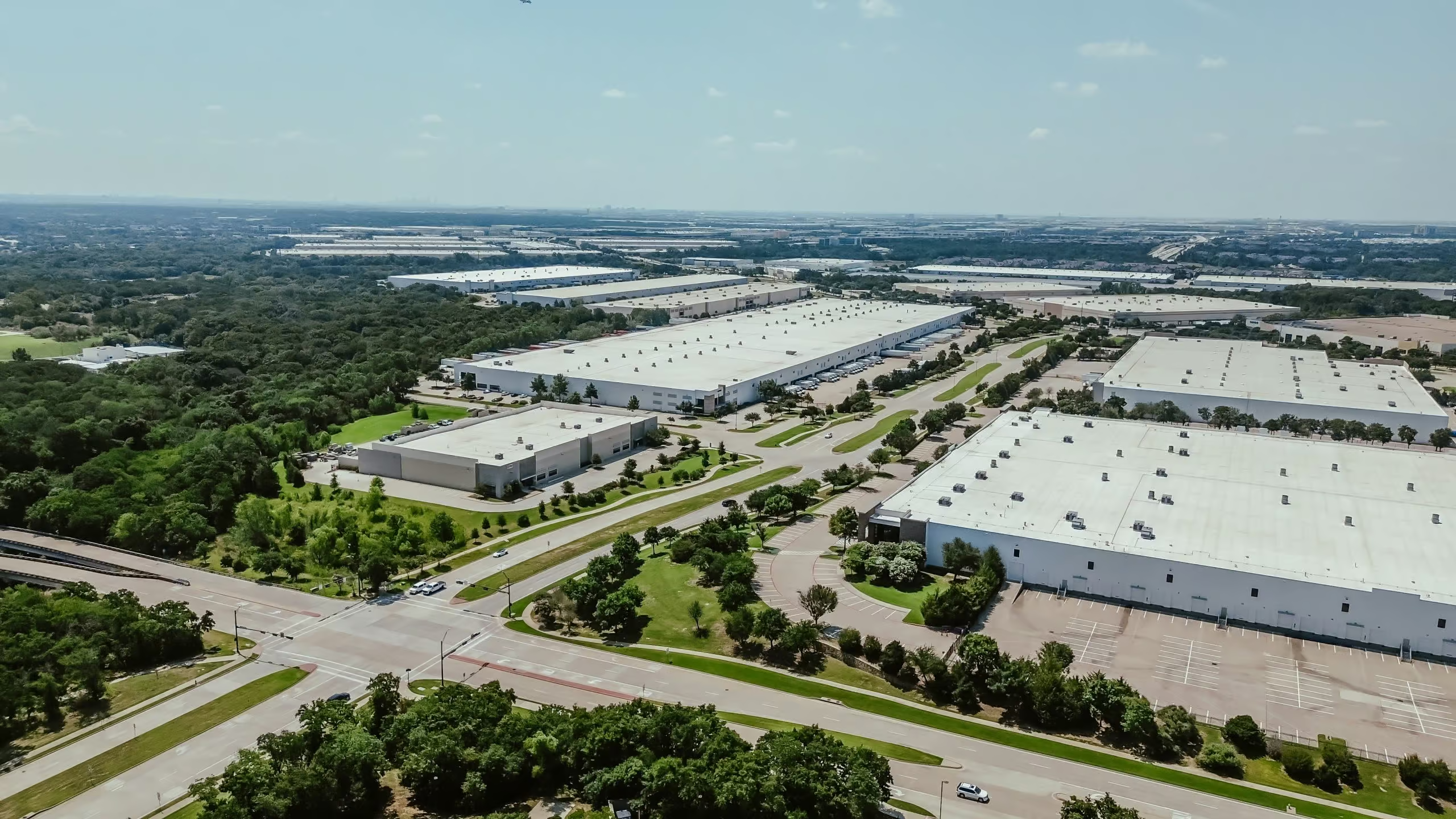
Texas continues to strengthen its position as a major logistics and distribution hub, with new industrial projects, land acquisitions and infrastructure investments emerging across the state. Recent activity in North Texas, South Texas and areas near major transportation corridors highlights continued confidence in the long-term outlook for freight, warehousing and supply chain operations.
The latest developments reflect several factors supporting Texas logistics real estate, including growing population centers, cross-border trade, port activity and demand for strategically located distribution facilities.
Cross-Border Logistics Development Gains Attention in South Texas
In Roma, near the U.S.-Mexico border, the Las Americas Logistics & Industrial Park continues to develop as local officials look to attract warehouse, cold storage, light manufacturing and distribution operations.
The Park has 21 available industrial lots, with six already sold. While tenant absorption has been slower than initially expected amid uncertainty surrounding tariffs and U.S. trade policy, local officials anticipate stronger activity as trade conditions become more stable.
Roma’s location provides direct access to Mexico through the Roma–Ciudad Miguel Alemán International Bridge. The bridge has become an important trade connection between Texas and northern Mexico, supporting increasing truck traffic and cross-border commerce.
Infrastructure investment is also helping strengthen the area’s appeal. A federally funded water booster station is being developed to provide the water pressure and flow required by industrial users, including warehouses, cold-storage facilities and light manufacturing businesses.
Local leaders are also promoting the logistics park in Mexican markets such as Monterrey and agricultural trade centers. The strategy is designed to position Roma as a gateway for produce, industrial products and distribution activity moving between Texas and northern Mexico.
H-E-B Plans Major North Texas Supply Chain Campus
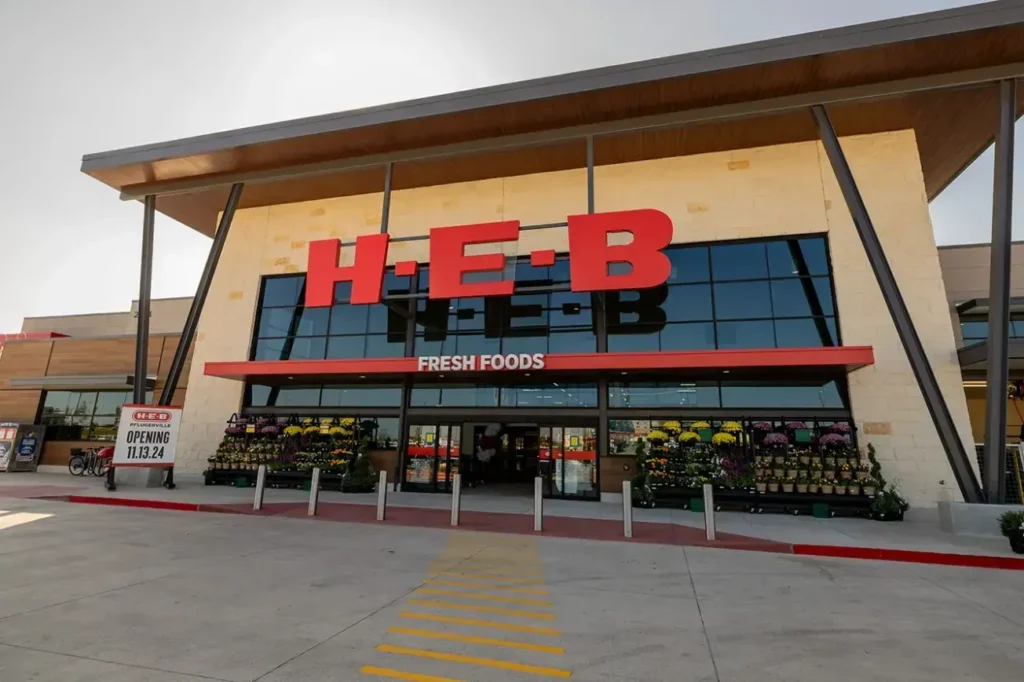
North Texas is also attracting significant logistics investment. H-E-B has acquired more than 600 acres in Valley View for a future master-planned supply chain campus along Interstate 35.
The site is located roughly 60 to 70 miles north of the Dallas-Fort Worth metropolitan area and is expected to support warehousing, distribution and other supply chain operations.
The planned campus is part of H-E-B’s broader effort to expand its distribution capabilities as the retailer grows across North and West Texas. The development is expected to be completed in multiple phases, although the company has not announced a construction timeline.
The location along I-35 provides access to a major north-south transportation corridor connecting key Texas markets. For logistics operators, locations near major highways can offer advantages for regional distribution, transportation efficiency and access to expanding population centers.
Why Texas Remains Attractive for Logistics Real Estate
The recent developments in Roma and North Texas illustrate the range of logistics opportunities emerging throughout Texas. From border communities supporting international trade to major metropolitan areas requiring additional distribution capacity, different parts of the state are benefiting from interconnected supply chain trends.
Population growth is another important factor. As Texas cities and surrounding communities expand, retailers and manufacturers require distribution networks capable of serving larger consumer markets. This can increase demand for strategically located warehouses, fulfillment centers and industrial facilities.
International trade also continues to influence development, particularly in communities positioned near the U.S.-Mexico border and major transportation infrastructure. Investments in Texas infrastructure and logistics networks can further improve the ability of these locations to attract logistics businesses.
For developers and companies evaluating industrial property, access to transportation infrastructure, available land, utility capacity and proximity to customers are likely to remain important considerations.
Infrastructure Could Shape Future Logistics Growth
Infrastructure investment is increasingly connected to logistics real estate development. Industrial properties require more than available land; they also need dependable utilities, transportation access and supporting infrastructure.
Projects such as the water improvements planned at Las Americas Logistics & Industrial Park demonstrate how public infrastructure can support private-sector industrial development.
Similarly, the expansion of supply chain facilities near major highways demonstrates the importance of transportation connectivity. As freight volumes and distribution requirements evolve, areas with strong highway, bridge, port and border connections may remain particularly attractive to logistics operators.
Texas Logistics Market Faces Both Opportunities and Challenges
Despite strong long-term fundamentals, logistics real estate development is not without challenges. Tariff uncertainty and changes in international trade policy can affect tenant decisions, manufacturing activity and cross-border freight volumes.
The experience in Roma demonstrates how these uncertainties can influence industrial property absorption. Developers and local governments may need to remain flexible as businesses evaluate changing trade conditions.
At the same time, long-term population growth, expanding retail networks and the continued importance of Texas as a national transportation hub provide reasons for continued investment.
The combination of established freight corridors and emerging industrial markets gives Texas a broad logistics real estate landscape. Developers are pursuing opportunities in established metropolitan areas while smaller border communities are seeking to capture a larger share of cross-border commerce.
Conclusion
Recent logistics real estate activity across Texas points to continued investment in the state’s supply chain infrastructure. The development of the Las Americas Logistics & Industrial Park in Roma and H-E-B’s planned supply chain campus in North Texas demonstrate how border trade, highway connectivity, population growth and distribution demand are shaping industrial development.
Although trade policy and market absorption remain factors to monitor, Texas continues to offer strategic locations for warehousing, distribution and manufacturing. As businesses expand their supply chain networks, well-connected industrial markets with adequate infrastructure could remain central to Texas’ logistics growth.
FAQs
Texas offers a combination of major highways, growing population centers, international trade connections and access to important freight markets. These factors can make the state attractive for warehousing, distribution and supply chain operations.
H-E-B has acquired more than 600 acres in Valley View for a future master-planned supply chain campus. The project is expected to support warehousing, distribution and other supply chain activities as the retailer expands.
Population growth, retail expansion, cross-border trade, transportation investment and supply chain demand could continue influencing the market. Tariffs, trade policy and changes in freight activity may also affect development and tenant demand.