Houston is widely recognized for its economic strength, medical institutions, energy industry, and international connections. Yet some of the city’s most distinctive character can be found beyond its downtown skyline. Gulfton, a densely populated neighborhood southwest of central Houston, has developed into one of the city’s most culturally diverse communities.
With residents representing numerous countries and languages, Gulfton demonstrates how immigration, economic change, local businesses, community organizations, and public spaces can shape a neighborhood over several decades. Its transformation from an area dominated by apartments built for oil-industry workers into a multicultural community reflects broader changes in Houston.
Gulfton’s Early Development Was Linked to Houston’s Oil Industry
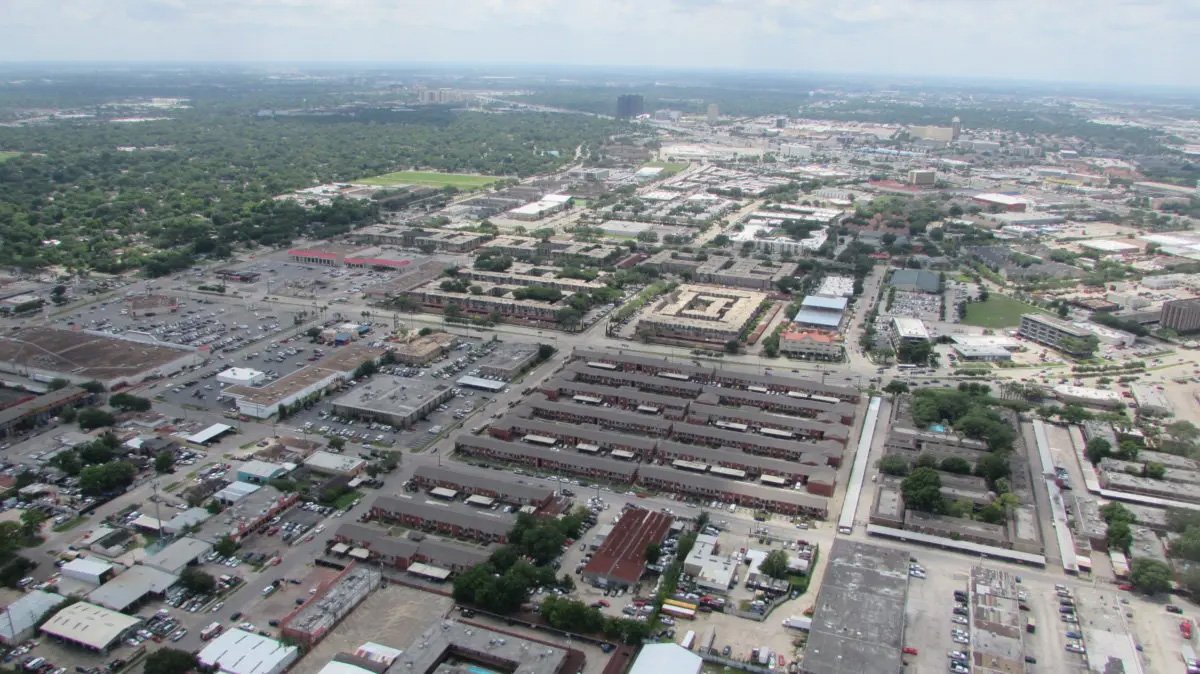
Much of the Gulfton area remained farmland until the middle of the 20th century. As Houston’s oil industry expanded, developers constructed large apartment complexes to accommodate the growing number of young professionals arriving in the city.
During the economic growth associated with the oil industry in the 1970s, Gulfton became home to numerous apartment communities. Many of these properties were originally designed around the needs of single workers and young professionals.
The neighborhood’s apartment-heavy development later became an important factor in its ability to accommodate large numbers of new residents. Unlike neighborhoods that depended primarily on detached homes, Gulfton already had substantial residential capacity when Houston’s demographics began changing.
The Oil Bust Changed Gulfton’s Demographics
Houston’s oil downturn during the 1980s significantly affected the neighborhood. As employment opportunities declined, many workers left the area, leaving apartment units vacant.
Property owners responded by lowering rents, changing restrictions on who could live in the apartments, and marketing units to new audiences. Spanish-language advertising helped connect the neighborhood with immigrant families arriving from Mexico and Central America.
The existing apartment infrastructure provided an important advantage for families seeking relatively accessible housing. Over time, Gulfton began attracting residents from an increasingly broad range of countries and cultural backgrounds.
Immigration Helped Create a Multicultural Community
The neighborhood experienced significant population growth between 1980 and 2000, despite little new apartment construction during that period. Families from Mexico and Central America were joined by immigrants and refugees from countries including Afghanistan, Ethiopia, Vietnam, and Pakistan.
This diversity helped establish Gulfton as a place where residents could maintain connections to their cultural traditions while becoming part of Houston’s broader community.
Local restaurants, grocery stores, cafés, businesses, and community organizations became important gathering places. For many residents, finding familiar foods, hearing familiar languages, and encountering cultural traditions from home could provide a sense of comfort in a new city.
This combination of cultures has given Gulfton a reputation as one of Houston’s most internationally diverse neighborhoods.
Small Businesses Help Preserve Cultural Identity
Gulfton’s cultural identity can be seen throughout its commercial areas. Restaurants, grocery stores, food businesses, salons, cafés, and other locally operated establishments serve residents from a wide range of backgrounds.
These businesses do more than provide everyday services. They can also help immigrant communities preserve culinary traditions, languages, and cultural practices.
A single commercial area can feature products and foods associated with multiple regions of the world. This creates a distinctive neighborhood experience and contributes to Houston’s reputation as an international city.
For visitors, exploring Gulfton’s businesses can offer a different perspective on Houston—one shaped less by skyscrapers and major institutions and more by neighborhood commerce and everyday community life.
Burnett Bayland Park Provides an Important Community Space
Gulfton is also notable for its limited amount of private outdoor space. With much of the population living in apartment complexes, public parks play an especially important role.
Burnett Bayland Park is a major green space serving the neighborhood. The approximately 32-acre park provides room for sports, recreation, community activities, and family gatherings.
The park reflects Gulfton’s diversity. Soccer and cricket can be found among its recreational activities, while children use areas for biking and skating. Families, older residents, and workers also use the park as a place to exercise, socialize, and relax.
The community center associated with the park provides additional services, including educational programs and resources for residents from different linguistic backgrounds.
Investment in Public Spaces Can Strengthen Neighborhoods
The continued improvement of Burnett Bayland Park illustrates the importance of investing in infrastructure in densely populated communities.
A major renovation project has included plans for improvements such as a new community center, upgraded recreational facilities, garden areas, skating improvements, and stormwater infrastructure.
For Gulfton, these improvements represent more than physical upgrades. Parks and community facilities can provide opportunities for residents to connect, children to participate in recreational activities, and families to access programs close to home.
Investment in public spaces can therefore play a meaningful role in supporting neighborhood quality of life.
Murals and Public Art Tell Gulfton’s Story
Gulfton’s identity can also be found in its public art. Murals throughout the neighborhood highlight themes of diversity, culture, history, and community.
Public art can be particularly significant in neighborhoods shaped by immigration because it provides a visible way to represent stories and traditions that may not always appear in conventional historical narratives.
Gulfton’s murals contribute to a broader cultural landscape in which residents can see their experiences reflected in the places where they live, work, and gather.
Gulfton Represents Houston’s Broader Diversity
Houston is often described as one of the most diverse metropolitan areas in the United States, and Gulfton provides a neighborhood-level example of that diversity.
The community’s transformation was not driven by a single event. Instead, it developed through decades of economic changes, immigration, housing availability, entrepreneurship, cultural exchange, and community involvement.
The neighborhood also demonstrates how existing infrastructure can take on new meaning as populations change. Apartment complexes initially built for oil workers eventually became homes for immigrant families from around the world.
Why Gulfton Matters to Houston
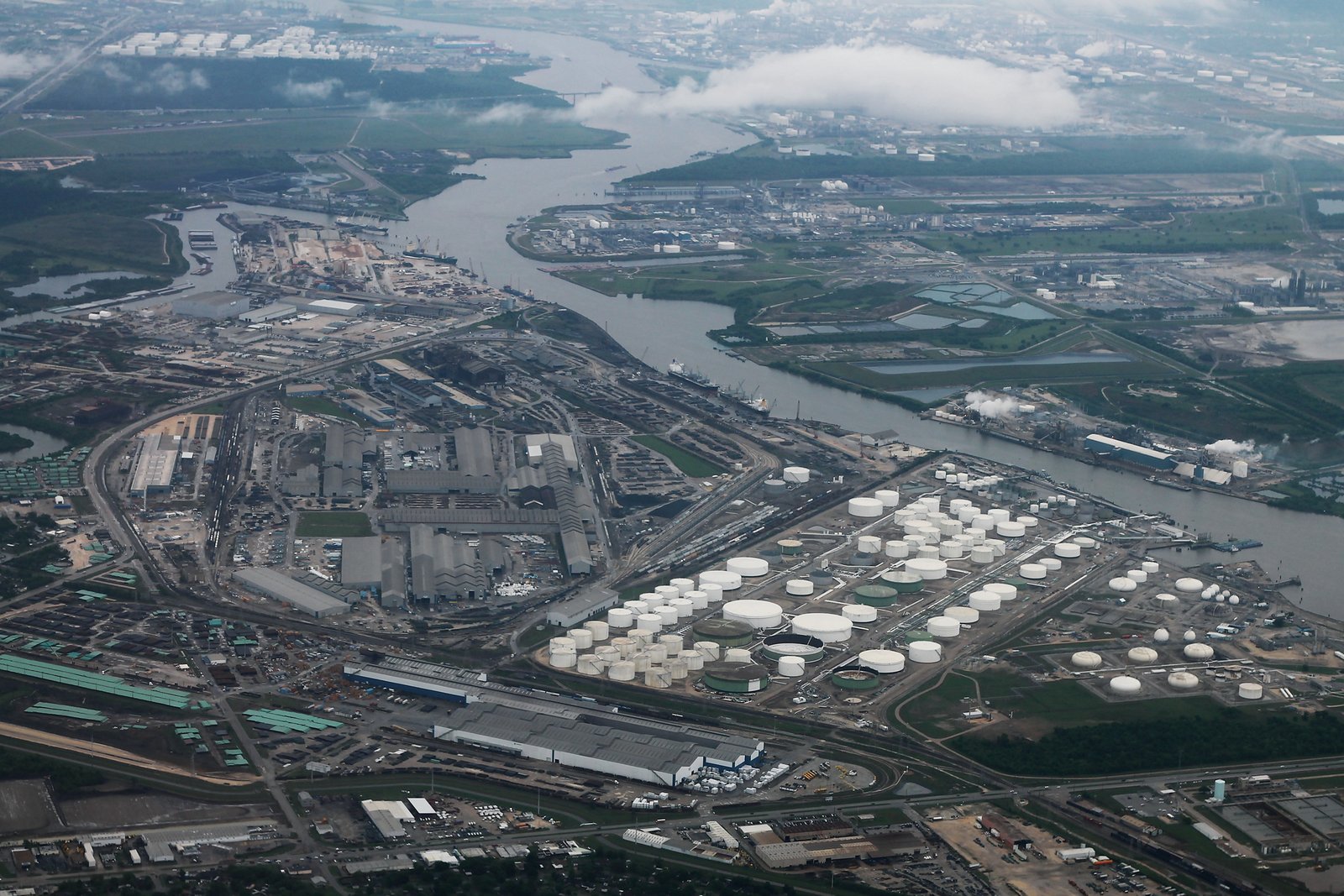
Gulfton’s importance extends beyond its geographic boundaries. The neighborhood contributes workers, entrepreneurs, businesses, cultural traditions, food, art, and community life to the wider Houston area. The neighborhood is also part of a metropolitan economy supported by major infrastructure and industries, including the Port of Houston, which plays a significant role in Houston’s overall economic impact.
Its history also illustrates the adaptability of urban neighborhoods. Economic conditions changed, residents changed, and businesses changed, but the area continued to evolve around the people who called it home.
For anyone interested in understanding Houston beyond its major business districts and tourist attractions, Gulfton offers an important example of how immigration and community development can reshape a city.
Conclusion
Gulfton has evolved from an apartment community closely connected to Houston’s oil economy into a vibrant multicultural neighborhood shaped by immigration and community life. Its restaurants, businesses, murals, parks, and cultural institutions reflect the experiences of residents from many parts of the world.
The story of Gulfton also highlights the importance of affordable housing, public spaces, local businesses, and community investment. As Houston continues to grow and attract people from around the world, neighborhoods such as Gulfton remain an important part of the city’s identity and demonstrate how diverse communities can influence the character of an entire metropolitan area.
FAQs
Gulfton has attracted residents and immigrant families from numerous countries over several decades. The neighborhood is known for its many languages, international restaurants, grocery stores, businesses, and cultural traditions.
Large apartment complexes were constructed during Houston’s oil-industry expansion to house young workers and professionals. After the oil downturn of the 1980s, vacant apartments became more accessible to immigrant families, contributing to the neighborhood’s demographic transformation.
Burnett Bayland Park provides an important recreational and community space for a densely populated neighborhood. It offers sports facilities, green space, community programs, and areas where residents of different ages and backgrounds can gather.