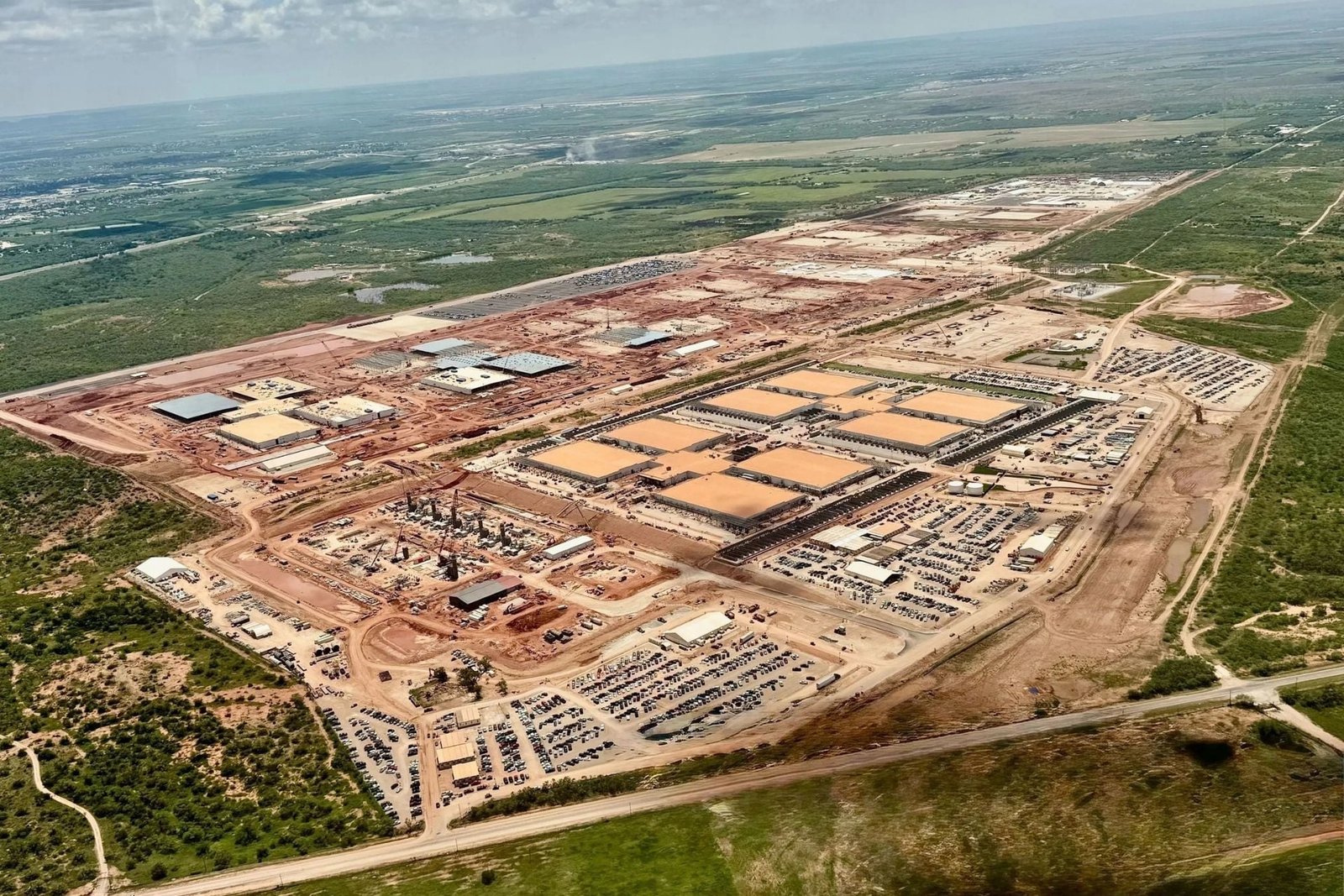
Texas has long been one of the most closely watched states in the United States for population growth, business expansion and housing development. While major metropolitan areas often receive most of the attention, a number of smaller and lesser-known cities are increasingly attracting people looking for new places to live.
The shift highlights an important change in the state’s housing landscape. Some communities that previously received little attention are gaining visibility as residents reconsider where affordability, lifestyle and growth opportunities can be found.
Smaller Texas Cities Are Gaining Attention
Texas has experienced significant population and economic growth over the years, but that growth has not been distributed evenly. Well-known cities and suburbs have attracted large numbers of new residents, while other communities have remained outside the national spotlight.
That dynamic appears to be changing. Smaller cities can offer residents an alternative to crowded and increasingly expensive metropolitan markets. For people willing to look beyond the state’s biggest urban centers, these communities may provide different housing and lifestyle opportunities.
Housing Trends Are Influencing Relocation Decisions
Housing costs are an important factor when people consider moving. Rapid growth in popular Texas markets has contributed to increased demand for homes, while changing market conditions have also created new challenges for homeowners and prospective buyers.
In some lesser-known communities, comparatively lower housing costs can make homeownership more accessible. Buyers may also find opportunities to purchase properties with more space than they could afford in major metropolitan areas.
However, affordability alone does not guarantee continued growth. Residents also consider employment opportunities, local amenities, infrastructure, schools and access to larger population centers when evaluating a potential move.
The Appeal of Life Outside Major Metro Areas
Smaller Texas communities can offer a different pace of life compared with the state’s largest cities. Less congestion, more available space and a quieter environment may appeal to households seeking alternatives to highly populated urban areas.
Remote and hybrid work arrangements have also given some workers greater flexibility in choosing where to live. When daily commuting is no longer tied as closely to a particular office location, smaller communities can become more attractive to people who prioritize housing value and lifestyle.
Growth Can Bring New Challenges
Population growth can provide significant benefits for smaller cities, including new businesses, increased consumer spending and additional investment in infrastructure and development. Events that bring entrepreneurs and business leaders together can also increase visibility for emerging communities, such as the upcoming Texas Venture Fest 2026 in Brownsville.
At the same time, rapid growth can create pressure on local services. Roads, utilities, schools, healthcare facilities and housing supply may all need to expand as more people move into an area.
Local governments and developers therefore face the challenge of accommodating new residents while maintaining the characteristics that originally made these communities attractive.
What Texas Housing Trends Could Mean for Future Buyers
The changing popularity of Texas communities demonstrates why housing decisions should not be based solely on the reputation of a city. Emerging markets can sometimes offer opportunities that are less visible in heavily publicized areas, but they can also carry their own risks.
Prospective buyers can benefit from examining local housing trends, employment conditions, infrastructure plans and population changes before making a relocation decision. Understanding the broader direction of a community can provide useful context when evaluating whether a market is likely to remain attractive over time.
Conclusion
Texas continues to experience changes in where people choose to live, and the state’s smaller cities are becoming part of that conversation. As housing costs, lifestyle preferences and work arrangements influence relocation decisions, lesser-known communities may attract residents who want alternatives to major metropolitan markets.
For buyers and households considering a move, looking beyond the most recognizable Texas cities can reveal a wider range of housing and lifestyle possibilities. Careful research into affordability, local development and long-term growth can help people make more informed decisions in an evolving Texas real estate market.
FAQs
People may be attracted by factors such as housing affordability, additional space, a quieter lifestyle and opportunities to live outside major metropolitan areas.
Some smaller communities may offer lower housing costs than major metropolitan markets, although affordability varies considerably by location and market conditions.
Buyers should consider housing prices, employment opportunities, infrastructure, schools, healthcare, local amenities and expected population growth before choosing a community.