Texas continues to make a strong showing among the best places to rent in the United States, with several cities appearing prominently in a new national ranking. At the same time, San Antonio experienced a significant decline compared with the previous year, falling out of the top 50.
The ranking, published by RentCafe in September 2026, evaluated 150 U.S. cities using 20 different measures. The analysis considered factors such as housing and cost of living, renter income growth, local economic conditions, walkability, and access to social groups.
These factors were organized into three broad categories: cost of living and housing, local economy, and quality of life.
McKinney Retains the Top Spot
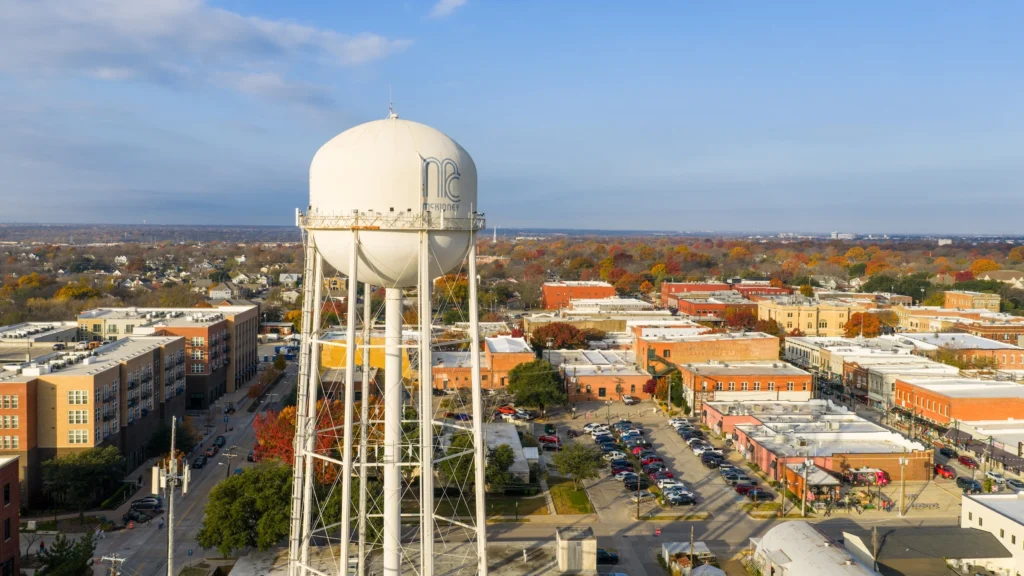
McKinney, located north of Dallas, once again ranked No. 1 among the cities evaluated. The city placed third for cost of living and housing and ninth for quality of life.
The analysis highlighted McKinney’s rental options, schools, parks, and open spaces as factors contributing to its strong showing. The city has also received recognition in a recent ranking of North Texas cities for children’s well-being.
Its continued position near the top also reflects the broader strength of several Southern cities in the ranking.
Seven Texas Cities Reach the Top 50
Texas accounted for seven of the top 50 cities in the national ranking. Their positions were:
- Austin — No. 3
- Round Rock — No. 8
- Plano — No. 18
- San Marcos — No. 25
- Denton — No. 34
- Conroe — No. 39
- McKinney — No. 1
Several other Texas cities appeared further down the overall list, including Dallas at No. 56 and Lubbock at No. 58.
San Marcos also stood out for its housing and cost-of-living performance, ranking as the nation’s top city in that category.
San Antonio Drops Out of the Top 50
One of the biggest changes in this year’s ranking involved San Antonio.
The city dropped 19 positions from the previous year, moving to No. 63 and therefore falling outside the top 50. Its housing and cost-of-living category remained relatively strong at No. 25, but its rankings in other areas were considerably lower.
San Antonio ranked No. 126 for its local economy and No. 104 for quality of life. Those category results contributed to its overall decline despite its relatively favorable housing and cost-of-living position.
The change illustrates how rental-city rankings can be influenced by more than apartment prices alone. Economic conditions, income growth, lifestyle factors, accessibility, and community amenities can all affect how cities perform in a broader comparison.
Southern Cities Continue to Dominate
Southern cities accounted for 37 of the 50 highest positions in the latest ranking.
According to RentCafe’s analysis, relatively lower living costs, growing rental inventory, and expanding local economies have helped Southern cities perform strongly. Cities such as McKinney, Huntsville, and Austin were highlighted as examples of markets combining affordability with quality-of-life and economic opportunities.
The trend is significant for renters considering different markets because it shows that attractive rental options are not limited to the country’s largest metropolitan areas.
Other Texas Cities in the Ranking
Beyond the seven Texas cities in the top 50, several additional communities appeared further down the list.
Dallas ranked No. 56, followed by Lubbock at No. 58. Arlington ranked No. 107, while Odessa and El Paso placed at Nos. 129 and 130, respectively.
These differences demonstrate the variation between Texas rental markets. Even cities within the same state can produce substantially different results when affordability, economic conditions, quality of life, and renter-related factors are considered together.
What the Ranking Means for Renters
A national ranking can provide a useful starting point for people comparing rental markets, but renters typically need to consider factors specific to their circumstances.
Monthly rent is only one part of the overall cost of living. Transportation, utilities, employment opportunities, neighborhood amenities, commute times, schools, and access to parks or entertainment can all influence the practical cost and experience of renting in a particular city.
Renters should also compare individual neighborhoods and properties rather than relying solely on a citywide ranking. Rental prices and available amenities can vary substantially within the same metropolitan area.
Conclusion
The latest rental-city ranking highlights the continued strength of Texas and other Southern markets. McKinney retained the top position nationally, while Austin, Round Rock, Plano, San Marcos, Denton, and Conroe also placed among the country’s top 50 cities for renters.
San Antonio’s 19-place decline was one of the ranking’s most notable changes. Although the city continued to perform relatively well in housing and cost of living, lower scores for its local economy and quality of life affected its overall position.
For renters evaluating where to live, these rankings can offer useful context, but they are best considered alongside current rental prices, employment conditions, neighborhood characteristics, transportation needs, and individual housing preferences.
FAQs
Seven Texas cities appeared among the top 50: McKinney, Austin, Round Rock, Plano, San Marcos, Denton, and Conroe.
San Antonio fell 19 positions to No. 63. Its housing and cost-of-living ranking was No. 25, but its local economy ranked No. 126 and quality of life ranked No. 104, affecting its overall position.
The 2026 RentCafe ranking shows several Texas cities performing strongly across affordability, housing, economic conditions, and quality-of-life measures. However, the right rental market depends on a renter’s budget, employment situation, preferred location, and lifestyle needs.