Regular vehicle maintenance is essential for keeping a car safe, reliable, and efficient. Whether driving through Houston’s heavy traffic, commuting across Dallas, or taking long road trips through rural Texas, every mile places wear on critical vehicle components. Following the right car maintenance schedule helps prevent unexpected breakdowns, improves fuel efficiency, and extends the lifespan of the vehicle.
Texas presents unique driving conditions that make routine servicing even more important. Extreme summer heat, stop-and-go traffic, long highway drives, dust, and changing weather patterns can accelerate wear on batteries, tires, brakes, engine oil, and cooling systems. Ignoring regular maintenance may lead to costly repairs that could have been avoided through preventive care.
Understanding how often should you service your car in Texas depends on several factors, including the manufacturer’s recommendations, driving habits, vehicle age, mileage, and local climate. This guide explains recommended service intervals, seasonal maintenance, warning signs to watch for, and practical maintenance tips to help Texas drivers keep their vehicles performing at their best.
Why Regular Car Servicing Is Important
Routine servicing is one of the simplest ways to protect a vehicle and reduce long-term ownership costs. Regular inspections and maintenance help identify minor issues before they become major mechanical failures.
Improved Safety
Critical systems such as brakes, steering, suspension, tires, and lights should be inspected regularly to ensure the vehicle remains safe to operate. Preventive maintenance reduces the likelihood of accidents caused by mechanical failures.
Better Fuel Efficiency
Fresh engine oil, properly inflated tires, clean air filters, and a well-maintained engine all contribute to better fuel economy. Even small maintenance tasks can improve vehicle efficiency over time.
Longer Vehicle Lifespan
Routine maintenance helps reduce wear on engine components, the transmission, suspension, and other major systems. Vehicles that receive consistent servicing often remain reliable for many years.
Lower Repair Costs
Addressing small issues early is usually much less expensive than waiting until a major component fails. Preventive maintenance minimizes the risk of costly repairs and unexpected breakdowns.
Higher Resale Value
A well-documented maintenance history demonstrates that a vehicle has been properly cared for. Buyers often place greater value on vehicles with complete service records.
What Determines How Often You Should Service Your Car?
Although manufacturers provide recommended maintenance schedules, several factors may require more frequent servicing.
Manufacturer Recommendations
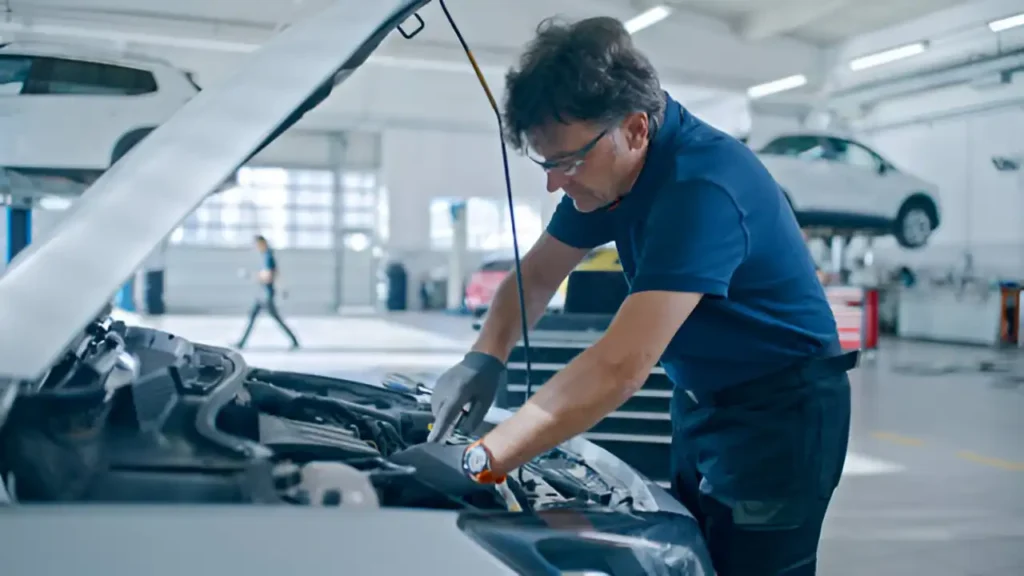
Every vehicle is designed with specific maintenance intervals based on engine type, technology, and operating conditions. Following the owner’s manual remains the best starting point for creating a maintenance schedule.
Mileage
Many maintenance items are based on mileage rather than calendar time.
For example:
- Oil changes every 5,000–7,500 miles (or as recommended by the manufacturer)
- Tire rotation every 5,000–8,000 miles
- Brake inspections during routine service visits
- Air filter replacement every 15,000–30,000 miles
Drivers who accumulate higher annual mileage should expect more frequent maintenance.
Vehicle Age
Older vehicles may require additional inspections due to natural wear on hoses, belts, seals, suspension components, and electrical systems.
Regular inspections become increasingly important as vehicles accumulate mileage.
Driving Habits
Frequent short trips, heavy traffic, towing, and aggressive driving place greater stress on mechanical systems than steady highway driving.
Drivers who regularly encounter these conditions may benefit from a more frequent routine car maintenance in Texas schedule.
Recommended Car Maintenance Schedule
The following maintenance schedule provides general guidelines for most passenger vehicles. Always refer to the owner’s manual for manufacturer-specific recommendations.
| Maintenance Item | Recommended Interval |
| Check tire pressure | Monthly |
| Inspect fluid levels | Monthly |
| Test lights | Monthly |
| Inspect windshield wipers | Monthly |
| Engine oil and filter | Every 5,000–7,500 miles (or as recommended by the manufacturer) |
| Tire rotation | Every 5,000–8,000 miles |
| Brake inspection | Every 10,000 miles or during tire rotation |
| Wheel alignment | Annually or if uneven tire wear occurs |
| Engine air filter | Every 15,000–30,000 miles |
| Cabin air filter | Every 15,000–25,000 miles |
| Battery inspection | At least once a year |
| Coolant inspection | Every 30,000–50,000 miles or per manufacturer guidelines |
| Brake fluid replacement | Every 2–3 years |
| Transmission fluid inspection | Per manufacturer schedule |
| Serpentine belt inspection | Around 60,000 miles or as recommended |
| Spark plugs | Per manufacturer recommendations |
| Multi-point vehicle inspection | During every scheduled service |
Maintaining an annual car maintenance checklist helps ensure no essential service is overlooked.
Texas Driving Conditions That Affect Maintenance
Texas drivers experience environmental conditions that often require more frequent inspections and maintenance than drivers in milder climates.
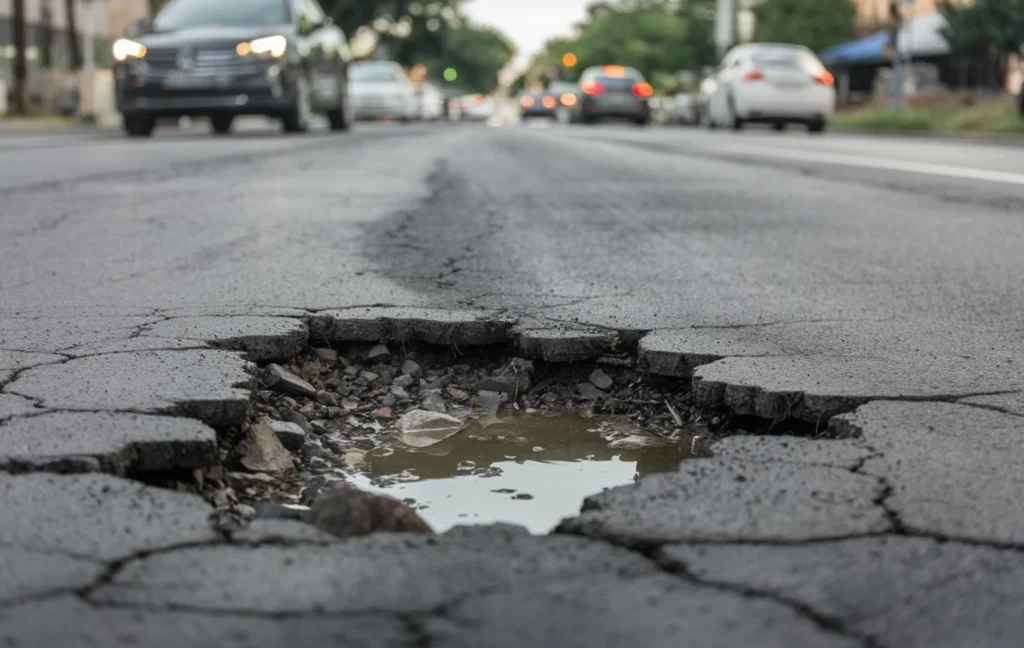
Extreme Summer Heat
Summer temperatures frequently exceed 100°F across many parts of Texas. High temperatures place additional stress on several vehicle systems.
Heat commonly affects:
- Battery lifespan
- Cooling system performance
- Engine oil
- Tire pressure
- Air conditioning efficiency
Testing the battery and inspecting the cooling system before summer travel can help prevent roadside breakdowns.
Heavy Traffic
Urban areas such as Houston, Dallas, Austin, and San Antonio experience heavy congestion throughout the year.
Frequent braking, idling, and slow-speed driving increase wear on:
- Brake pads
- Brake rotors
- Transmission
- Cooling system
- Engine oil
Drivers who regularly commute in city traffic should consider following the manufacturer’s severe-duty maintenance schedule.
Long Highway Trips
Texas highways connect cities separated by hundreds of miles. Long-distance travel increases mileage quickly and places continuous demand on several vehicle systems.
Extended highway driving contributes to wear on:
- Tires
- Engine oil
- Suspension components
- Cooling system
- Windshield
Inspecting the vehicle before extended road trips helps reduce the risk of unexpected mechanical issues.
Rural Roads and Dust
Drivers traveling through rural communities or construction areas often encounter gravel roads and airborne dust.
These conditions may accelerate wear on:
- Air filters
- Suspension components
- Tires
- Undercarriage
- Windshield
More frequent inspections help identify damage before it becomes a larger repair.
Monthly Vehicle Maintenance Checklist
Performing a few simple inspections every month can help identify potential issues early.
Monthly Checklist
- Check engine oil level.
- Inspect coolant level.
- Check brake fluid.
- Verify tire pressure.
- Inspect tire tread depth.
- Test headlights, brake lights, and turn signals.
- Check windshield washer fluid.
- Inspect windshield wipers.
- Listen for unusual engine or suspension noises.
- Look for fluid leaks beneath the vehicle.
These simple vehicle maintenance tips take only a few minutes and can help prevent expensive repairs.
Why Preventive Maintenance Saves Money
Many expensive automotive repairs begin as relatively minor maintenance issues.
For example:
- Delaying an oil change may accelerate engine wear.
- Ignoring uneven tire wear may lead to premature tire replacement.
- Failing to replace coolant can increase the risk of engine overheating.
- Neglecting brake inspections may damage rotors and calipers.
Following a preventive car maintenance plan helps reduce repair costs while improving safety and reliability.
Seasonal Car Maintenance in Texas
Texas weather changes throughout the year, and each season brings unique challenges that can affect vehicle performance. Following a seasonal car maintenance in Texas plan helps reduce the risk of breakdowns and keeps vehicles operating efficiently.
Spring Maintenance
Spring is an ideal time to inspect the vehicle after cooler winter weather and prepare for rising temperatures.
Spring Checklist
- Inspect tires for uneven wear.
- Check tire pressure.
- Replace worn windshield wipers.
- Test the battery.
- Inspect the brakes.
- Check all fluid levels.
- Verify that lights are functioning properly.
Summer Maintenance
Texas summers are known for extreme heat, making summer maintenance one of the most important parts of the year.
Summer Checklist
- Test the air conditioning system.
- Inspect coolant levels.
- Check radiator hoses.
- Test the battery.
- Inspect engine belts.
- Monitor tire pressure regularly.
- Keep engine oil at the recommended level.
Preparing the cooling system before long road trips can help prevent engine overheating during high-temperature conditions.
Fall Maintenance
As temperatures begin to cool, drivers should prepare their vehicles for changing weather and increased holiday travel.
Fall Checklist
- Inspect brakes.
- Check heating and defrost systems.
- Replace worn wiper blades.
- Test exterior lighting.
- Rotate tires if needed.
- Schedule a multi-point inspection.
Winter Maintenance
Although winters in Texas are generally mild, occasional freezing temperatures and winter storms can still affect vehicle performance.
Winter Checklist
- Test the battery.
- Inspect coolant protection.
- Check tire pressure.
- Verify heater operation.
- Refill windshield washer fluid.
- Keep an emergency roadside kit in the vehicle.
Complete Vehicle Maintenance Checklist
Following a comprehensive vehicle maintenance checklist helps ensure every major system receives routine attention.
| Maintenance Item | Recommended Frequency |
| Engine oil and filter | Every 5,000–7,500 miles (or as recommended by the manufacturer) |
| Tire rotation | Every 5,000–8,000 miles |
| Tire pressure inspection | Monthly |
| Brake inspection | Every 10,000 miles |
| Wheel alignment | Annually or when needed |
| Battery testing | Annually |
| Engine air filter | Every 15,000–30,000 miles |
| Cabin air filter | Every 15,000–25,000 miles |
| Coolant inspection | Per manufacturer schedule |
| Brake fluid | Every 2–3 years |
| Transmission fluid | Per manufacturer recommendations |
| Windshield wipers | Replace when performance declines |
| Serpentine belt inspection | Around 60,000 miles |
| Multi-point inspection | At every scheduled service |
Maintaining an annual car maintenance checklist makes it easier to track completed services and schedule future maintenance.
Warning Signs Your Vehicle Needs Immediate Service
Even with routine maintenance, vehicles can develop problems that require prompt attention.
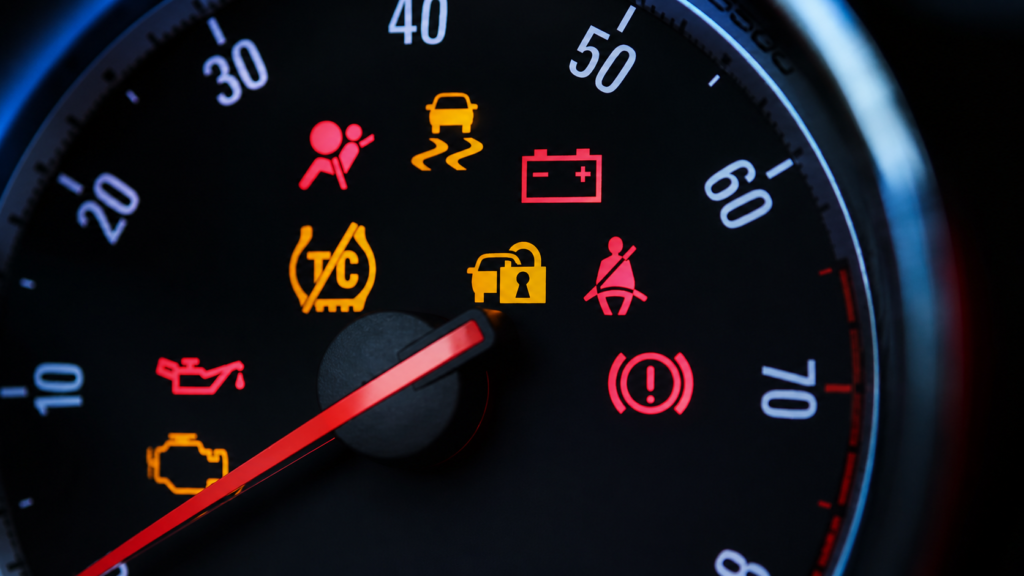
Watch for these warning signs:
- Dashboard warning lights
- Engine overheating
- Fluid leaks
- Grinding or squealing brakes
- Steering vibration
- Excessive exhaust smoke
- Hard starting
- Poor acceleration
- Unusual engine noises
- Burning smells
- Transmission slipping
- Reduced fuel economy
Ignoring these symptoms can lead to more extensive repairs and compromise vehicle safety.
Preventive Maintenance Tips
Preventive maintenance is one of the most effective ways to reduce repair costs and improve vehicle reliability.
Best Practices
- Follow the manufacturer’s maintenance schedule.
- Change engine oil on time.
- Rotate tires regularly.
- Inspect brakes during routine service.
- Check tire pressure monthly.
- Replace worn air filters.
- Test the battery annually.
- Maintain proper coolant levels.
- Address dashboard warning lights immediately.
- Keep detailed maintenance records.
These vehicle maintenance tips help maximize vehicle lifespan while reducing the likelihood of unexpected breakdowns.
Common Car Maintenance Mistakes to Avoid
Many costly repairs result from delayed or neglected maintenance.
Common mistakes include:
Delaying Oil Changes
Old engine oil loses its ability to lubricate internal components, increasing engine wear.
Ignoring Dashboard Warning Lights
Warning lights often indicate developing problems that should be diagnosed promptly.
Skipping Tire Rotations
Uneven tire wear shortens tire life and can negatively affect handling.
Using Incorrect Fluids
Always use manufacturer-approved engine oil, coolant, transmission fluid, and brake fluid.
Neglecting Battery Maintenance
Texas heat significantly affects battery performance. Annual testing can identify weak batteries before failure.
Ignoring Brake Wear
Replacing brake pads before they wear completely helps prevent damage to rotors and other brake components.
Conclusion
Following a regular maintenance schedule is one of the most effective ways to keep a vehicle safe, reliable, and efficient. Texas drivers face unique conditions, including extreme heat, heavy traffic, long highway travel, and changing weather, all of which can accelerate wear on essential vehicle components. Routine inspections and timely servicing help minimize unexpected breakdowns while extending the life of the engine, transmission, brakes, tires, and other critical systems.
Understanding how often should you service your car in Texas depends on the manufacturer’s recommendations, driving habits, mileage, and local conditions. By following a consistent car maintenance schedule, performing routine inspections, and addressing minor issues before they become major repairs, vehicle owners can reduce long-term maintenance costs and improve overall performance.
Working with experienced automotive professionals for inspections, diagnostics, and repairs ensures vehicles receive the proper care throughout the year. Combined with preventive maintenance and seasonal checklists, regular servicing provides greater confidence and peace of mind every time drivers get behind the wheel.
Frequently Asked Questions
Most vehicles should be serviced according to the manufacturer’s maintenance schedule, typically every 5,000–7,500 miles for routine maintenance. However, vehicles driven in heavy traffic, extreme heat, or on long highway trips may require more frequent servicing.
Monthly maintenance should include checking tire pressure, fluid levels, lights, windshield wipers, and looking for visible leaks or unusual tire wear. These quick inspections can help detect problems early.
Brake inspections are generally recommended every 10,000 miles or during routine maintenance visits. Drivers should also have their brakes checked immediately if they notice squealing, grinding, vibrations, or reduced braking performance.
Schema
<script type=”application/ld+json”>
{
“@context”: “https://schema.org”,
“@type”: “FAQPage”,
“mainEntity”: [
{
“@type”: “Question”,
“name”: “How Often Should I Service My Car in Texas?”,
“acceptedAnswer”: {
“@type”: “Answer”,
“text”: “Most vehicles should be serviced according to the manufacturer’s maintenance schedule, typically every 5,000–7,500 miles for routine maintenance. However, vehicles driven in heavy traffic, extreme heat, or on long highway trips may require more frequent servicing.”
}
},
{
“@type”: “Question”,
“name”: “What Maintenance Should Be Performed Every Month?”,
“acceptedAnswer”: {
“@type”: “Answer”,
“text”: “Monthly maintenance should include checking tire pressure, fluid levels, lights, windshield wipers, and looking for visible leaks or unusual tire wear. These quick inspections can help detect problems early.”
}
},
{
“@type”: “Question”,
“name”: “How Often Should Brakes Be Inspected?”,
“acceptedAnswer”: {
“@type”: “Answer”,
“text”: “Brake inspections are generally recommended every 10,000 miles or during routine maintenance visits. Drivers should also have their brakes checked immediately if they notice squealing, grinding, vibrations, or reduced braking performance.”
}
}
]
}
</script>