Your vehicle often provides warning signs before a major mechanical failure occurs. Strange noises, dashboard warning lights, fluid leaks, unusual vibrations, or a sudden drop in performance are all indicators that something may be wrong. Recognizing these issues early can help prevent expensive repairs, improve safety, and reduce the risk of an unexpected vehicle breakdown.
For Texas drivers, timely repairs are especially important. High summer temperatures, long highway drives, heavy city traffic, and changing road conditions place additional stress on engines, cooling systems, batteries, brakes, and tires. Ignoring early symptoms can quickly turn a minor issue into a costly emergency.
Understanding the signs your car needs immediate repair allows drivers to respond before problems become serious. This guide explains the most common car repair warning signs, what they may indicate, and when it is time to seek professional assistance.
Why You Should Never Ignore Vehicle Warning Signs
Every vehicle is designed to alert drivers when something is not functioning properly. Ignoring these warning signs can lead to reduced performance, expensive repairs, and increased safety risks.
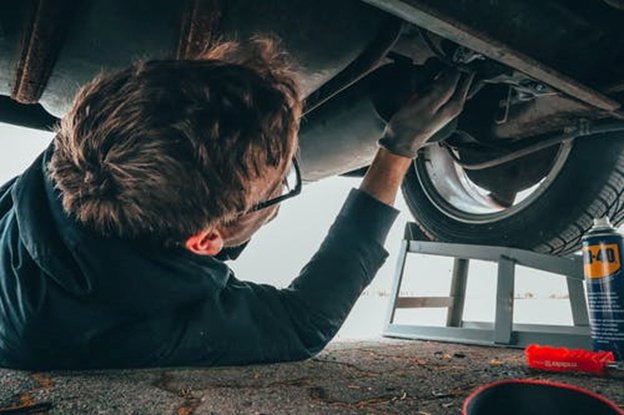
Improved Safety
Many vehicle problems affect critical systems such as the brakes, steering, suspension, and engine. Addressing issues promptly helps reduce the risk of accidents caused by mechanical failure.
Lower Repair Costs
Minor issues are generally less expensive to repair than major component failures. Replacing worn brake pads, for example, costs significantly less than replacing damaged rotors or calipers caused by neglected maintenance.
Better Vehicle Performance
Prompt repairs help maintain fuel efficiency, engine performance, and driving comfort while preventing additional wear on surrounding components.
Prevent Unexpected Breakdowns
Recognizing warning signs your car needs repair before they worsen reduces the chances of being stranded on the roadside.
Dashboard Warning Lights
Modern vehicles monitor dozens of systems using onboard computers. When a problem is detected, the dashboard displays a warning light to alert the driver.
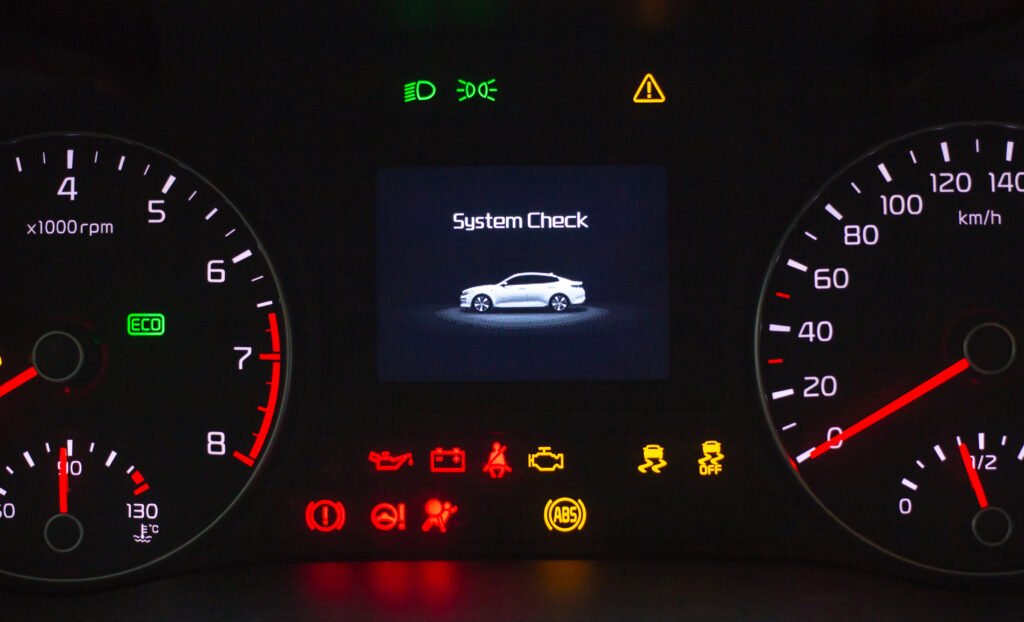
Ignoring these lights may result in more extensive damage.
Common Dashboard Warning Lights
| Warning Light | Possible Cause | Urgency | Recommended Action |
| Check Engine Light | Engine, emissions, ignition, or sensor issue | Medium to High | Schedule diagnostics immediately |
| Oil Pressure Warning | Low oil pressure or lubrication problem | High | Stop driving and check the engine immediately |
| Battery Warning | Charging system or alternator problem | High | Inspect the charging system as soon as possible |
| Brake Warning | Brake system fault or low brake fluid | High | Have the braking system inspected immediately |
| Coolant Temperature | Engine overheating | Critical | Pull over safely and allow the engine to cool |
| ABS Warning | Anti-lock braking system malfunction | Medium | Schedule brake system diagnostics |
| Tire Pressure Warning (TPMS) | Low tire pressure or TPMS issue | Medium | Check tire pressure and inspect tires |
Check Engine Light
The check engine light is one of the most common dashboard warning lights. It may indicate anything from a loose fuel cap to more serious engine or emissions problems.
If the light is flashing rather than steady, the vehicle should be inspected immediately to prevent potential engine damage.
Unusual Car Noises
Vehicles often produce distinctive sounds when components begin to fail. Paying attention to these noises can help identify problems before they become severe.
Squealing Brakes
High-pitched squealing often indicates worn brake pads that should be replaced before damaging the rotors.
Grinding Sounds
Grinding noises while braking usually indicate that brake pads have worn completely, allowing metal components to contact the rotors.
Knocking Engine
A knocking or tapping sound from the engine may suggest internal engine wear, improper combustion, or lubrication problems.
Clicking Sounds
Clicking during turns commonly indicates worn constant velocity (CV) joints, while clicking from the engine compartment may point to valve train issues.
Whining Noises
Whining sounds may originate from the transmission, power steering system, differential, or drive belts.
Hissing Sounds
A hissing noise often suggests a vacuum leak, coolant leak, or escaping pressure from the cooling system.
Any persistent unusual car noises should be evaluated by a qualified technician.
Engine Problem Symptoms
The engine is the heart of every vehicle, and changes in its performance often signal the need for immediate attention.
Loss of Power
Reduced acceleration may indicate:
- Fuel system problems
- Ignition issues
- Clogged air filters
- Sensor failures
Rough Idling
A rough or uneven idle can result from:
- Dirty fuel injectors
- Worn spark plugs
- Vacuum leaks
- Ignition system problems
Frequent Stalling
Unexpected engine stalling may indicate issues involving the fuel system, ignition components, battery, alternator, or sensors.
Engine Overheating
One of the most serious engine problems symptoms is overheating.
Possible causes include:
- Low coolant
- Radiator leaks
- Faulty thermostat
- Water pump failure
- Cooling fan malfunction
If the temperature gauge enters the red zone, stop driving immediately and allow the engine to cool before seeking assistance.
Burning Smell
Burning odors may indicate:
- Oil leaks
- Electrical problems
- Overheated brakes
- Slipping belts
- Transmission issues
Ignoring burning smells can lead to extensive vehicle damage.
Fluid Leaks
Fluids are essential for lubricating, cooling, and operating major vehicle systems. Visible leaks should never be ignored.
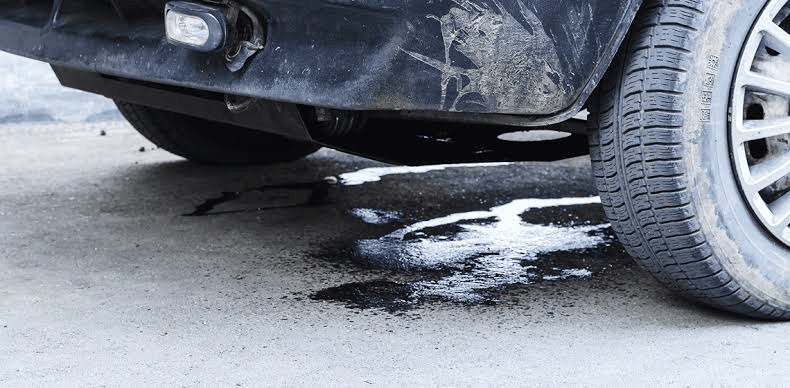
Common Vehicle Fluid Leaks
| Fluid Color | Likely Source | Severity |
| Amber/Brown | Engine oil | High |
| Green, Orange, Pink | Coolant | High |
| Red | Transmission fluid | High |
| Clear to Yellow | Brake fluid | Critical |
| Red or Amber | Power steering fluid | Medium to High |
| Clear Water | Air conditioning condensation | Usually normal |
Engine Oil Leaks
Oil leaks reduce engine lubrication and may eventually lead to overheating or internal engine damage.
Coolant Leaks
Coolant leaks can quickly result in engine overheating, especially during hot Texas summers.
Brake Fluid Leaks
Brake fluid leaks reduce braking performance and require immediate inspection because they directly affect vehicle safety.
Transmission Fluid Leaks
Low transmission fluid may cause slipping gears, delayed shifting, and transmission damage.
Brake Problems
Brake issues are among the most important vehicle safety warning signs because they directly affect stopping ability.
Soft Brake Pedal
A soft or spongy brake pedal may indicate:
- Air in brake lines
- Brake fluid leaks
- Master cylinder failure
Grinding While Braking
Grinding usually indicates severely worn brake pads that require immediate replacement.
Vibrations During Braking
Steering wheel or brake pedal vibrations often indicate warped brake rotors.
Pulling to One Side
If the vehicle pulls left or right while braking, uneven brake wear or hydraulic system problems may be present.
Longer Stopping Distance
Any noticeable increase in stopping distance should be inspected immediately to avoid compromising driver safety.
Routine brake inspections remain one of the most effective ways to prevent emergency repairs and maintain safe vehicle operation.
Steering and Suspension Warning Signs
The steering and suspension systems are essential for maintaining vehicle control, stability, and ride comfort. If either system begins to fail, handling can become unpredictable and increase the risk of an accident.
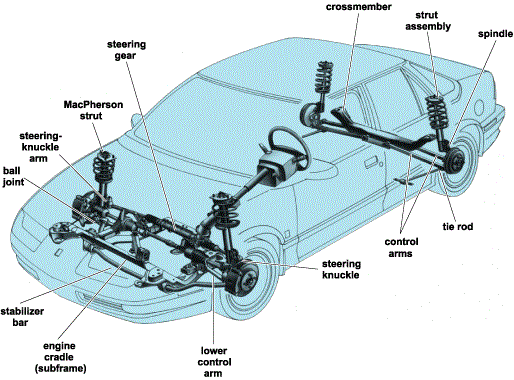
Steering Wheel Vibrations
A vibrating steering wheel is often caused by:
- Unbalanced wheels
- Damaged or unevenly worn tires
- Warped brake rotors
- Worn suspension components
If the vibration continues or becomes more noticeable at higher speeds, schedule a professional inspection as soon as possible.
Vehicle Pulling to One Side
A vehicle that consistently drifts left or right may indicate:
- Improper wheel alignment
- Uneven tire pressure
- Brake system issues
- Suspension damage
Ignoring this problem can accelerate tire wear and reduce steering control.
Excessive Bouncing
If the vehicle continues to bounce after driving over bumps, worn shocks or struts may no longer be providing adequate support. Replacing these components improves ride comfort and handling.
Loose or Unresponsive Steering
Steering that feels loose, delayed, or difficult to control may point to worn steering components or power steering problems. Immediate inspection is recommended because steering issues directly affect vehicle safety.
Tire Warning Signs
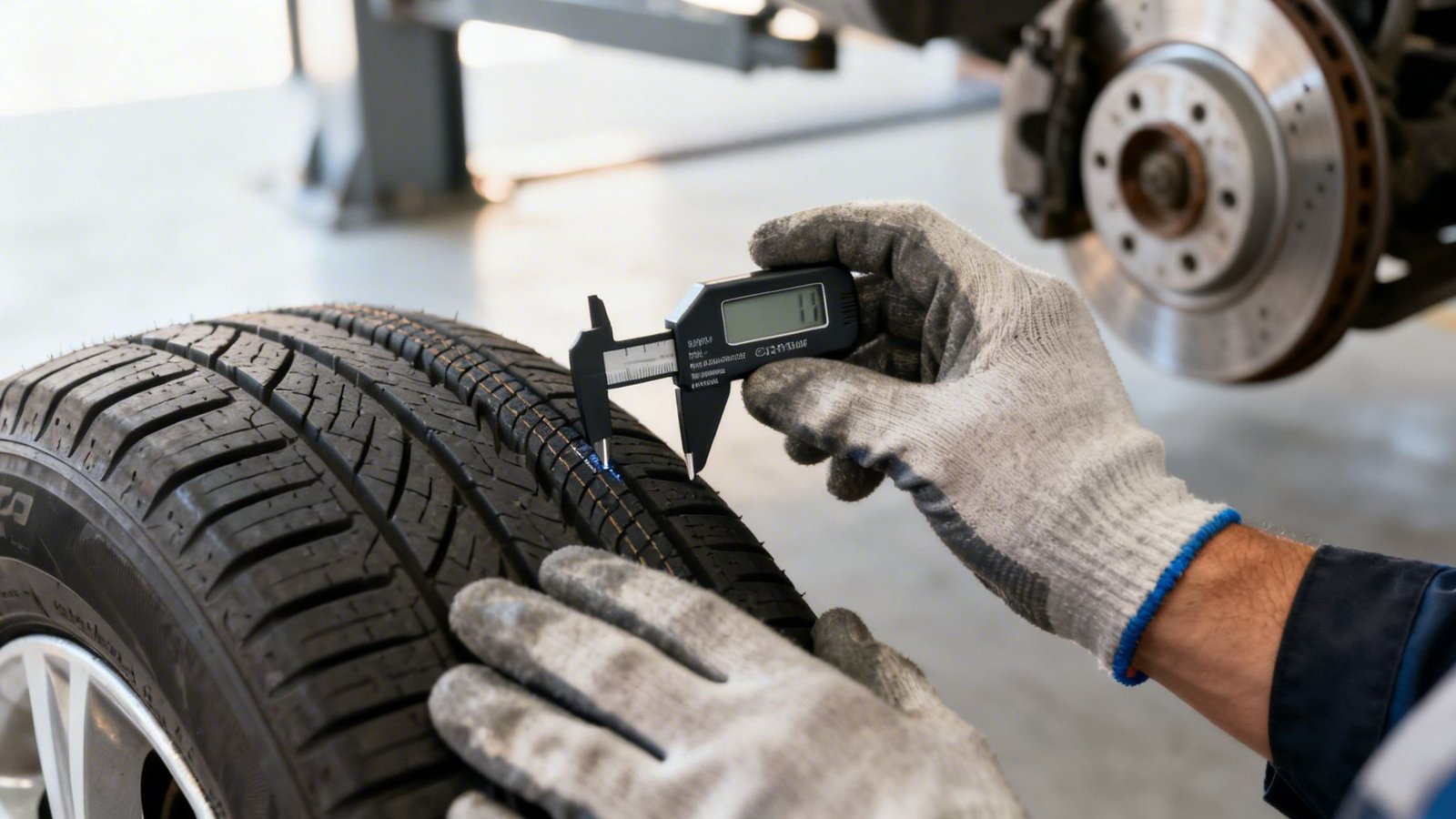
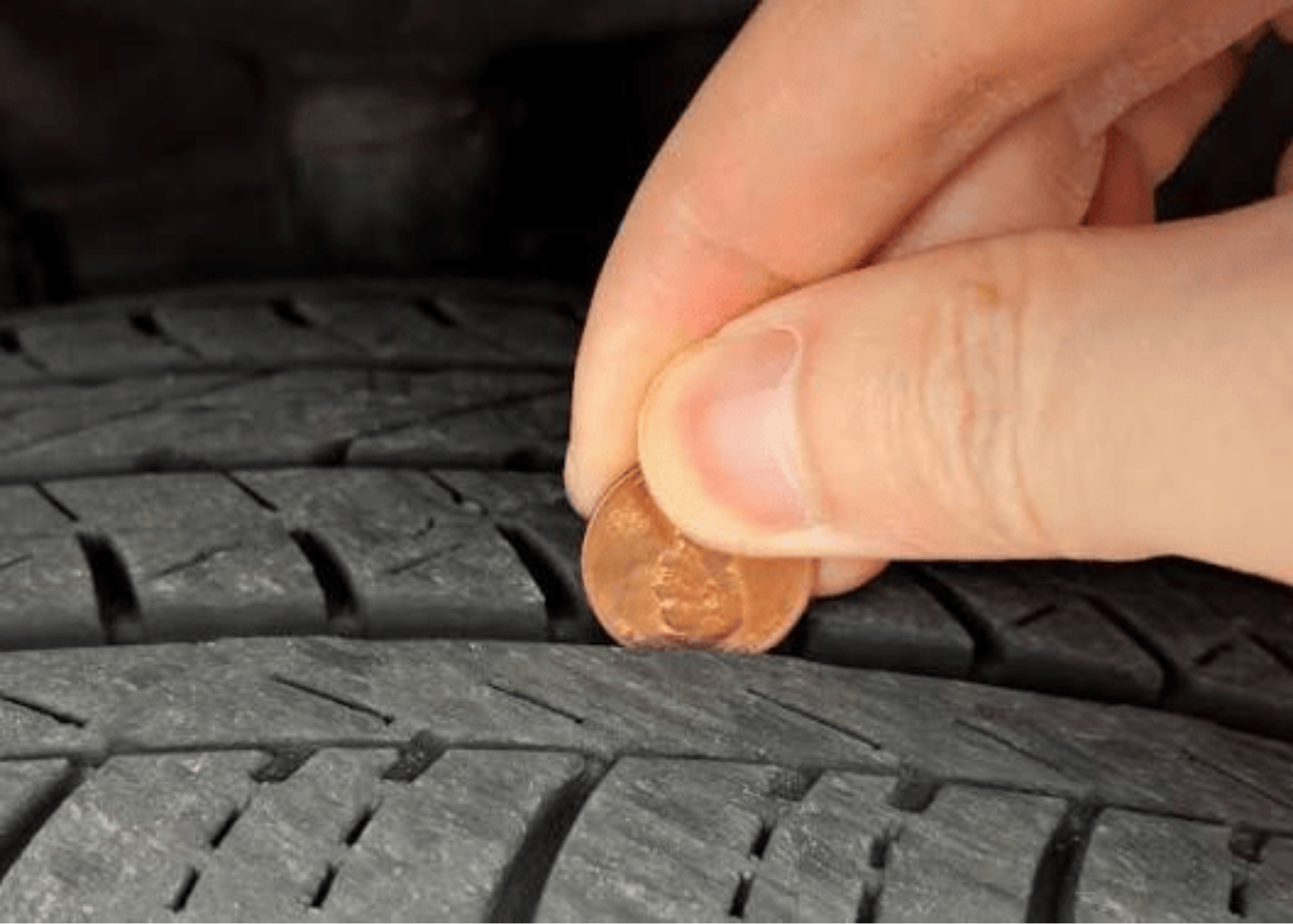
Tires play a critical role in braking, handling, and overall road safety. Damaged or improperly maintained tires increase the risk of accidents and unexpected breakdowns.
Drivers should inspect their tires regularly for:
- Uneven tread wear
- Low tire pressure
- Cracks in the sidewalls
- Bulges or bubbles
- Nails or punctures
- Excessive vibration while driving
These vehicle safety warning signs should never be ignored, especially during hot Texas summers when high road temperatures can increase the risk of tire failure.
Smoke or Burning Smells
Smoke or unusual odors often indicate serious mechanical problems that require immediate attention.
White Smoke
White smoke coming from the exhaust may indicate coolant entering the engine due to a damaged head gasket or another cooling system issue. Continued driving could result in severe engine damage.
Blue Smoke
Blue smoke usually means the engine is burning oil. This may be caused by worn piston rings, valve seals, or other internal engine components that require professional repair.
Black Smoke
Black smoke often indicates that the engine is receiving too much fuel because of injector, sensor, or fuel system problems. This can reduce fuel efficiency and increase emissions.
Burning Rubber Smell
A burning rubber odor may result from slipping drive belts, overheated tires, or components rubbing together. Prompt inspection can prevent further damage.
Burning Oil Smell
Oil leaking onto hot engine parts may create a burning smell and should be repaired immediately to avoid additional engine problems.
Electrical Burning Smell
A burning plastic or electrical odor may indicate overheating wiring, damaged electrical components, or charging system issues. The vehicle should be inspected without delay.
Poor Fuel Economy
A noticeable decrease in fuel efficiency is often one of the earliest signs of developing mechanical issues.
Common causes include:
- Dirty air filters
- Low tire pressure
- Worn spark plugs
- Fuel injector problems
- Faulty oxygen sensors
- Engine misfires
- Improper wheel alignment
Diagnosing the underlying cause early can restore fuel economy and prevent more expensive repairs.
Common Car Problems That Require Immediate Attention
Some mechanical issues require prompt repairs because they can quickly become safety hazards or lead to significant damage.
The following common car problems should never be ignored:
- Engine overheating
- Brake failure
- Transmission slipping
- Alternator failure
- Battery failure
- Coolant leaks
- Oil pressure loss
- Major fluid leaks
- Steering system failure
- Engine misfires
Seeking emergency auto repair services in Texas when these problems occur can help prevent further damage and reduce repair costs.
When Should You Stop Driving Immediately?
Certain warning signs indicate that it is no longer safe to continue driving. Pull over in a safe location and arrange for professional assistance if any of the following occur:
- The engine begins to overheat.
- The check engine light starts flashing.
- The brakes lose stopping power.
- Heavy smoke is coming from the engine or exhaust.
- A significant oil or coolant leak develops.
- Steering becomes difficult or unresponsive.
- A tire experiences a blowout.
- A strong electrical burning smell is present.
- The oil pressure warning light remains illuminated.
Driving under these conditions can result in severe mechanical damage and increase the risk of an accident.
What to Do During an Unexpected Vehicle Breakdown
An unexpected vehicle breakdown can be stressful, but following the right steps helps protect both the driver and other road users.
Move to a Safe Location
If the vehicle is still operational, carefully pull over to the shoulder or another safe area away from traffic.
Turn On Hazard Lights
Activate the hazard lights immediately to alert approaching drivers that the vehicle has stopped.
Stay Safe
If traffic is heavy or the roadside is unsafe, remain inside the vehicle with the seat belt fastened until help arrives.
Contact Roadside Assistance
If the vehicle cannot be driven safely, arrange for towing instead of attempting to continue driving.
Schedule Professional Repairs
Once the vehicle reaches a repair facility, have experienced technicians diagnose the issue before returning it to the road.
Preventive Maintenance Helps Avoid Emergency Repairs
Routine maintenance remains one of the most effective ways to reduce the risk of emergency repairs.
A preventive maintenance plan should include:
- Regular engine oil and filter changes
- Tire rotations and pressure checks
- Brake inspections
- Battery testing
- Cooling system inspections
- Fluid level checks
- Multi-point vehicle inspections
- Engine diagnostics
- Belt and hose inspections
Consistent maintenance helps identify developing issues before they become expensive repairs or roadside emergencies.
When to Take Your Car to a Mechanic
Many vehicle problems become more expensive when repairs are delayed. Drivers should schedule an inspection as soon as possible if they notice any of the following:
- Dashboard warning lights that remain on
- Grinding, knocking, or squealing noises
- Fluid leaking beneath the vehicle
- Loss of engine power
- Frequent engine stalling
- Engine overheating
- Smoke or burning odors
- Reduced braking performance
- Steering or suspension problems
- Excessive vibration while driving
Prompt attention from a qualified technician helps restore vehicle performance and reduces the likelihood of major repairs.
Conclusion
Recognizing the signs your car needs immediate repair is essential for protecting both your vehicle and everyone on the road. Warning signs such as dashboard warning lights, unusual noises, fluid leaks, overheating, brake problems, and steering issues often indicate developing mechanical faults that should be inspected without delay.
Texas driving conditions—including intense summer heat, heavy traffic, and long-distance travel—can place additional stress on essential vehicle systems. Scheduling professional repairs as soon as warning signs your car needs repair appear helps improve safety, extend vehicle life, reduce repair costs, and minimize the risk of an unexpected roadside breakdown.
By combining preventive maintenance with prompt attention to unusual symptoms, drivers can keep their vehicles operating reliably throughout the year.
Frequently Asked Questions
Common early warning signs include dashboard warning lights, unusual noises, fluid leaks, vibrations, poor braking performance, and reduced engine power. Addressing these symptoms early can help prevent more serious mechanical failures.
Signs of brake problems include squealing, grinding, a soft brake pedal, longer stopping distances, vibrations, or the vehicle pulling to one side while braking. Immediate inspection is recommended.
Basic inspections such as checking tire pressure, fluid levels, lights, and wipers should be performed monthly. Comprehensive inspections should be completed during scheduled maintenance visits.
A vehicle should be inspected whenever warning lights appear, unusual noises develop, fluids begin leaking, or performance changes are noticed. Prompt repairs can prevent additional damage and improve overall safety.