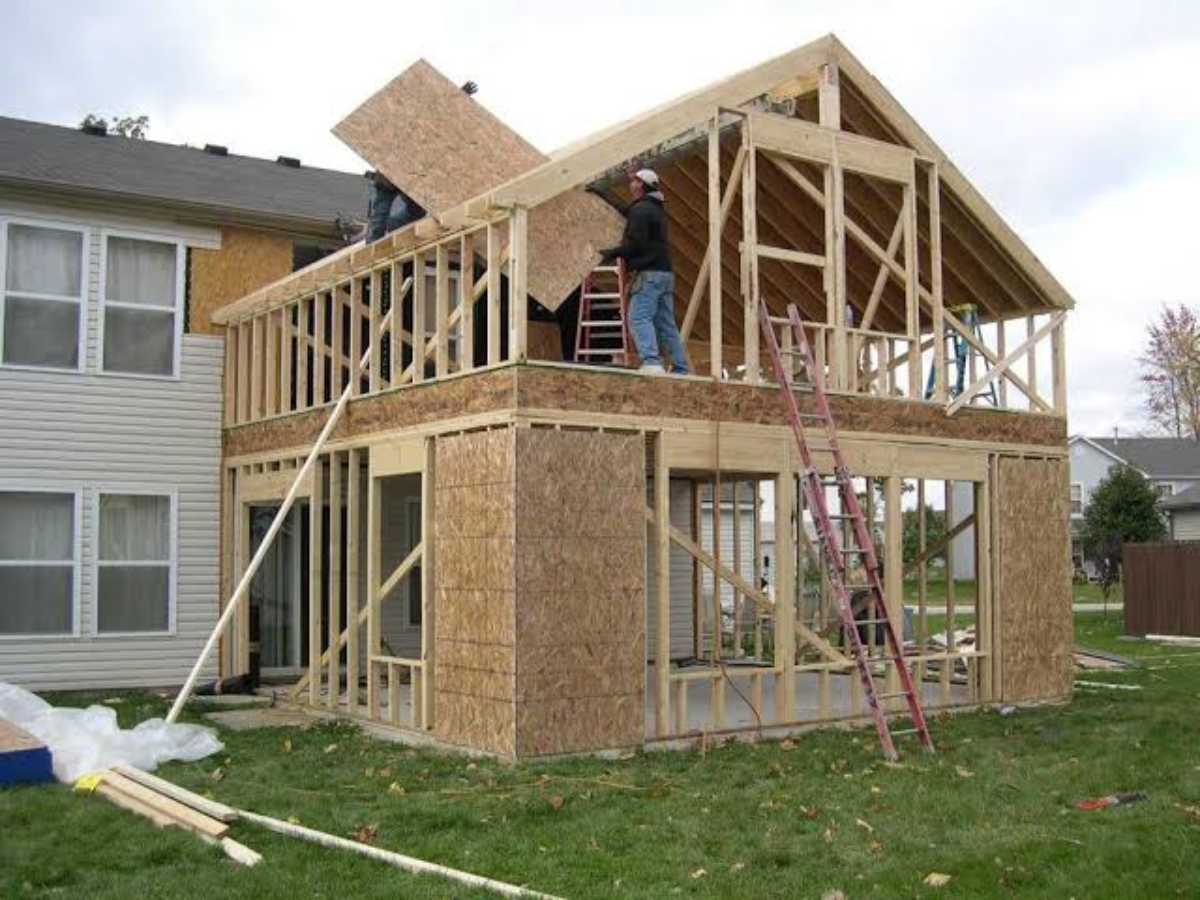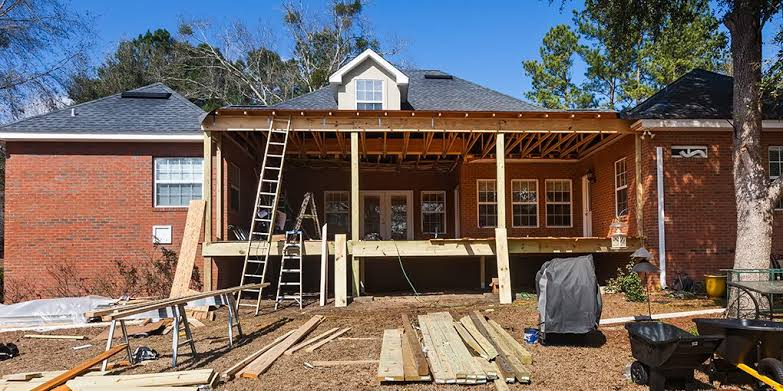
Renovation is one of the best things that can be done for your home. Kitchen renovation, home addition, old house renovation, and energy-efficient home renovation will not only simplify your life but will also raise the value of your property. But there are some elements necessary for a successful renovation of the house – planning, budgeting, making decisions and cooperating with people.
When many think about choosing colors and floorings, what is actually important is to figure out where to start, what budget to choose, if there is any need in any permits for your renovation project, and hire a proper contractor who will finish your job in time. Planning is also important, since otherwise even a simple renovation of your home will face difficulties such as delay, additional expenses, and redesigning of the work.
Here you will find everything about home renovation in Texas.
What Is Home Remodeling?
House remodeling is the procedure that entails improving an existing structure of a house to make it suit one’s lifestyle or needs. Unlike home repair or maintenance services, remodeling usually entails more advanced work that can affect the structure, design, or functionality of the house.
There are many common house remodeling projects in Texas. Most people would like to have open living areas, enlarge kitchen and bathrooms, remodel storage, or build new living spaces. In addition, there are people who would like to make some energy efficient changes or outdoor living space suitable for Texas weather.
Not all remodeling projects involve the total renovation of the whole house. It could be a single-room remodeling or a whole house makeover depending on a person’s preferences. What is very important in all cases is to know what exactly you want and prepare for construction work in advance.
Remodeling vs. Home Renovation
Despite the fact that both terms, “remodeling” and “renovation,” occur in one phrase, their distinction is rather great when it comes to the improvement of a house.
The renovation of a house is understood as the improvement of the interior of a building without making any changes in its structure. For example, such actions as repainting walls, laying a new floor, putting new furniture and devices. Consequently, a house becomes nicer and more comfortable, but not changed structurally.
The remodeling of a house implies the restructure of the house and its functional change. It may consist in tearing down the wall for making an open kitchen, turning the garage into the living room, installing a new bathroom and additional room, etc.
The following comparison highlights the differences:
| Home Renovation | Home Remodeling |
| Updates existing features | Changes the layout or structure |
| Primarily cosmetic improvements | Structural and functional improvements |
| Usually completed faster | Often requires more planning and permits |
| Lower overall cost | Higher investment but greater customization |
| Ideal for refreshing a home | Ideal for transforming how a home functions |
Understanding this distinction can help homeowners choose the right approach based on their goals, timeline, and available budget.
Popular Home Remodeling Projects in Texas
All home owners have different needs, but there are certain types of remodeling projects which never cease to be popular in Texas as they add value and functionality to homes and enhance the comfort of the homeowners.

Kitchen remodeling is always at the top of home owners’ list, as people want more counter space, extra cabinets and storage options, updated cabinetry and energy-efficient appliances. Bathroom remodeling is another priority project as some people want to replace old bathroom fixtures, make bathrooms more accessible or even turn them into spa-like bathrooms.
Entire home remodeling is becoming more and more popular among home owners who live in houses that need renovation. Instead of buying a new house, people prefer remodeling their current property according to their needs.
In Texas, outdoor remodeling is just as important as indoor remodeling. Building covered patios, outdoor kitchens, pergolas and entertainment spaces enables home owners to spend more time outdoors in pleasant weather. Another popular remodeling project in Texas is building home offices, converting garages into living space and building mudrooms.
While each individual situation differs, most goals associated with remodeling typically include one or more of the following:
- Enhancing comfort and function
- Creating extra living space
- Adding value
- Updating older interiors
- Increasing efficiency
- Preparation for years of living in the home
Selecting projects that fit your lifestyle as opposed to being based solely on popular design trends tends to yield positive results.
Benefits of Home Remodeling
Reconstruction done by experts will yield numerous benefits far beyond aesthetic. Indeed, a new layer of finishes will alter the aesthetic appearance of your house, but remodeling could enable you to make your house more functional and lower its maintenance costs in the future.
First of all, remodeling provides a way to gain additional space in a house for families growing up. New kitchens and bathrooms will be convenient and useful; new storage options will help you in organization. The energy-saving windows and insulation will help to reduce costs related to heating and air conditioning your house.
But remodeling may be financially beneficial as well. Buyers like to see remodelled kitchens, bathrooms, extra space and facades. It is true that not all projects bring financial benefit to the owner, but there are projects where homeowners could improve the appearance of their houses on the housing market.
Yet, the most important benefit of remodeling is an opportunity to adapt your home to your needs in the current and future years.
Planning Your Home Remodeling Project
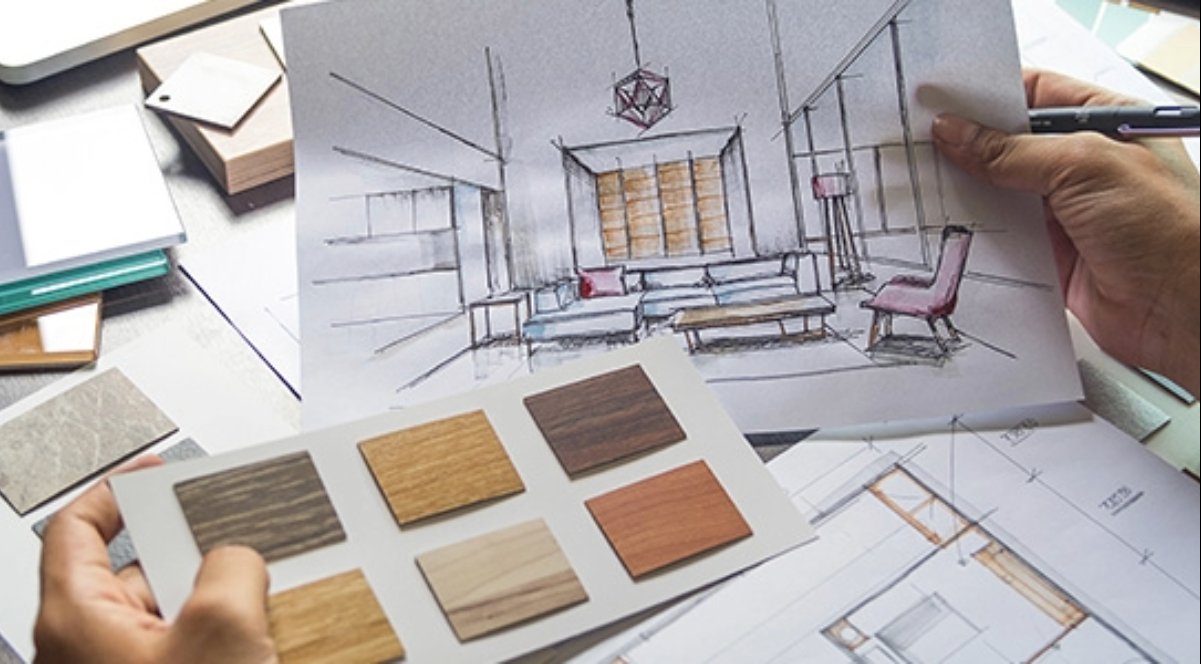
One of the factors which differentiate the good renovation experience from a bad one is proper preparation. The more time you devote to preparing for the process of construction, the lower risks are connected with any unexpected problems or extra expenses.
Texas renovation home plan begins from conducting the analysis of existing condition of your house as well as your personal needs. Do not hurry to choose any finishes and fixtures right now. Try first to analyze the purposes of your renovation – will you add some additional square meters or just prepare your home for selling or long-term improvements?
After you have clearly identified your goals, create an appropriate budget and figure out what is necessary and what is not. Once you determine what is necessary at the beginning of the process, you will find that decision-making will be quite simple in case of any costs alterations.
It would also make sense for you to think about how your life will be affected by the renovation process. Projects that involve a lot of work will certainly include some disruptions to your life and noise.
Set Clear Remodeling Goals
Successful home remodeling projects begin with clear objectives. If there are no objectives set at all, those who want to remodel their homes will have to make expensive changes while going through the remodeling process.
Before contacting the contractors, it is necessary to ask oneself such questions as:
- What problems do I need to solve?
- Which rooms need the most work?
- Is my home being remodeled for living or selling purposes, or both?
- What is the most important for me?
- How much money am I willing to spend on the project?
This will create a sound basis when making design decisions and talking to contractors.
Prioritize Needs Before Luxury Upgrades
In the planning stage, there is a need to separate what is needed from what is not needed. Before moving on to cosmetic touches such as luxury countertops or designer lighting, it would be better to deal with structural problems, electrical wiring issues, plumbing problems, and roofing problems first in order to avoid any future problems.
Luxury things such as luxury countertops, designer lighting, or other items will make the house better looking, but it is usually a good idea to consider them last.
Create a Realistic Remodeling Timeline
Each renovation project has its own time frame depending on the size, complexity, materials required, and permit issues. Instead of assuming that construction will proceed without any hitches, homeowners need to allow for some flexibility in their plans.
A typical remodeling timeline looks like this:
| Project Phase | Typical Duration |
| Planning & Budgeting | 2–4 weeks |
| Design & Material Selection | 2–6 weeks |
| Contractor Selection | 2–3 weeks |
| Permits & Approvals | 1–6 weeks |
| Construction | 4–20+ weeks |
| Final Inspection & Walkthrough | About 1 week |
It is useful to have an overview of such timeline in order to properly synchronize different events that happen while planning the next step of the remodeling process.
How to Budget for a Home Remodel
Now, once your goals are outlined, it is high time to work out a realistic budget. One of the major reasons why many home renovation projects end up being more costly is the absence of any information about the total cost of the project, which is far beyond the cost of construction materials and labor.
The budgeting process will help you learn your expenditure ability and leave some space for uncertainties. Namely, think about the budget not only as an estimate, but a full financial strategy, covering everything.
As was mentioned above, there are numerous factors determining the real cost of your home remodel, such as house size, complexity of the job, choice of construction materials, labor fees, as well as your location in Texas. Estimates from a few home improvement contractors in Texas, appreciated by their customers, will help you find realistic prices.
Typical Remodeling Cost by Project
| Remodeling Project | Typical Investment |
| Kitchen Remodel | Moderate to High |
| Bathroom Remodel | Moderate |
| Whole-Home Remodel | High |
| Room Addition | High |
| Flooring Replacement | Low to Moderate |
| Interior Painting | Low |
| Outdoor Living Area | Moderate to High |
| Exterior Renovation | Moderate |
Although these cost ranges may be used as a guide, each project is unique and may be influenced by premium materials, special features, structural changes, and finishing touches.
Build a Budget That Covers More Than Construction
Many people do not include other charges apart from those from the contractor while doing their budgeting. However, one needs to take all these other costs into consideration. They include: permitting costs, design cost, cost for finding temporary place for stay, storage, inspection, landscaping costs, and lastly, contingency costs.
One of the best methods for organizing your budget would be by categorizing it.
| Budget Category | Suggested Allocation |
| Labor | 35–45% |
| Materials | 30–40% |
| Design & Planning | 5–10% |
| Permits & Inspections | 2–5% |
| Fixtures & Finishes | 10–15% |
| Contingency Fund | 10–20% |
The inclusion of contingency reserves becomes essential since issues like old wiring, plumbing problems, water damage, and other structural work may not be visible until the demolition process has been initiated.
Do You Need Permits for Home Remodeling in Texas?
It is better to get information concerning the permits that might be required from your side prior to the commencement of the construction process. The permits will ensure that the work conforms to the building codes that exist in the area. Although it is not necessary in all cities or counties, getting the permits prior to the construction process will help avoid delays and additional expenses.
The service providers for remodeling in Texas have experience in working with the local permitting requirements and thus know how to make it easy. Nevertheless, it is necessary to know which work needs permits.
Projects that typically require permits include:
- Room additions or structural changes
- Electrical system upgrades
- Plumbing modifications
- HVAC replacements
- Garage conversions
- Foundation repairs
- Roof structural changes
- Window or door enlargements
However, if you are going to make cosmetic changes such as painting, laying a new floor, installing cabinets, or replacing countertops, there is no need for a permit. If your property is under a homeowners association (HOA), then even the exterior renovation might require the approval of the HOA. It is better to get this done before starting the construction work.
How to Choose the Right Home Remodeling Contractor

Who the contractor is will influence your process of renovation more than anything else. Not only will an experienced contractor do good work, but the latter will be also a professional when it comes to controlling timetables, coordinating subcontractors, communication and making sure that all that needs to be done meets the requirements of the local construction codes.
When choosing whom to hire, do not base your decision only on the prices. Invest a little effort in comparison of contractors’ experience, communication skills, project organization and previous jobs on offer. A first consultation will give you a clue about the level of contractor’s organization and communication skills.
References, observation of contractor’s previous jobs and the question about the remodeling of the same type will show what this man can do. Also, you will have to make sure that the contractor you have chosen is properly insured and knows how to deal with permits, inspections, warranties and change orders.
Compare More Than Just Price
When reviewing proposals, evaluate the complete scope of work rather than simply choosing the lowest estimate.
Consider factors such as:
- Experience with similar remodeling projects
- Detailed project scope
- Material specifications
- Estimated timeline
- Warranty coverage
- Communication process
- Payment schedule
- Cleanup responsibilities
A detailed written proposal provides a much clearer picture of the project than a simple price estimate.
Questions Worth Asking Before Hiring
During contractor interviews, ask questions that help you understand both their experience and how they manage projects.
For example:
- How many similar remodeling projects have you completed?
- Who will supervise construction each day?
- How will project updates be communicated?
- What happens if unexpected issues are discovered?
- How are change orders approved?
- What warranties are included after completion?
Clear communication at the beginning of a project often prevents misunderstandings later.
Red Flags to Watch For
While most contractors operate professionally, homeowners should be cautious if a contractor:
- Requests unusually large upfront payments.
- Refuses to provide references or proof of insurance.
- Avoids written contracts.
- Offers estimates significantly lower than competitors.
- Pressures you to make immediate decisions.
- Suggests skipping permits to reduce costs.
Hiring an experienced remodeler based on qualifications instead of purely on the cost can result in a much better remodeling experience.
Understanding the Home Remodeling Process
Knowing how the remodel process occurs helps one prepare for every stage. Even though all remodels differ, the process of most custom home remodels in Texas is basically the same from the beginning up until demolition takes place.
One way of doing that is through having consultations at first where the contractor would ask you what your requirements, budget, time period, and design choices are. At this point, measurements are taken, current situations are determined, and project plans are developed.
After the design process is over, ordering of materials and obtaining of permits occurs. This part is extremely important since there might be products which would take long periods of time to deliver such as special cabinets, windows, flooring, and appliances.
Demolition is the first step in construction, then structural work, plumbing, electrical changes, HVAC changes, insulation, drywall, flooring, cabinetry, painting, and trim carpentry. During the process of construction, inspections can be done as needed by local building codes.
Prior to the end of the construction process, homeowners and builders normally do a final walk-through to inspect the workmanship, make sure that all work agreed on is complete, and compile a punch list of things left to do. Completing the walk-through ensures that the details are taken care of prior to making the final payment.
Financing Your Home Remodel
However, not all homeowners opt to fund their remodeling project by using their savings. Depending on the magnitude of the project and available equity, there are various ways through which one can fund their project. The decision will depend on one’s financial position and long term objectives.
Table below compares some of the commonly used financing methods.
| Financing Option | Best For | Key Benefit |
| Personal Savings | Small remodeling projects | No interest payments |
| Home Equity Loan | Large renovations | Fixed monthly payments |
| HELOC | Multi-phase projects | Flexible access to funds |
| Cash-Out Refinance | Major remodels | Larger borrowing amount |
| Contractor Financing | Qualified homeowners | Convenient financing options |
Prior to choosing any financing option, consider interest rates, terms of repayment, fees, and qualifying requirements. By taking time to review the cost of borrowing, you will be able to choose a financing solution that you will easily manage in the future.
Which Home Remodeling Projects Offer the Best Return on Investment?
Each remodel will make a house more comfortable to live in, but some upgrades are less valuable in terms of investment compared to others. When increasing the value of your property is part of your goals, it is recommended to consider those remodeling upgrades that would be desirable to the future buyers while also making your life more comfortable.
Some remodeling priorities among Texans include upgrades of kitchens, bathrooms, outdoor spaces, and energy efficiency. Not only do these upgrades help modernize the house, but also increase its utility for current needs. While there are variations in return on investment (ROI), it mostly depends on the local housing market, quality of workmanship, and the condition of a house prior to remodeling. Nonetheless, it is always preferable to opt for upgrades of practical nature rather than follow the current design trends.
Following are some of the projects with highest ROI.
| Remodeling Project | Primary Benefit | Long-Term Value |
| Kitchen Remodeling | Improved functionality and modern appearance | High |
| Bathroom Remodeling | Increased comfort and updated design | High |
| Exterior Improvements | Better curb appeal | High |
| Energy-Efficient Upgrades | Lower utility costs | Moderate to High |
| Outdoor Living Spaces | Expanded usable space | Moderate to High |
| Room Additions | Additional living area | High (when thoughtfully designed) |
Kitchen renovations are definitely one of the most popular choices since this area remodeling will make the most frequently used room more functional, and also create a beautiful dining space for family dinners and parties.
Remodeling of the bathrooms is also needed. This is especially true when you do not like the design of this room or there are any old fixtures installed. Walk-in showers, vanities, better lighting fixtures and water-saving devices will transform this room into a functional and elegant one.
Outdoors remodeling is also needed. New painting of the siding, doors improvement, landscaping and energy-efficient windows installation will improve the look of your house from the outside. The first impression about your house is formed even before people get inside.
Energy-efficient remodeling projects are rather popular way of improving your house. Not only will it help you to save electricity, but also will improve the atmosphere in your house. One of these options could be windows replacement and insulation, as well as air conditioning or heating system installation.
Common Home Remodeling Mistakes to Avoid
Even the most carefully planned remodeling can have some issues. Nevertheless, it is possible to save yourself from most of the problems by being well prepared and thinking everything through before starting the job.
First, one of the most common mistakes that people commit is that they start their work without completing the design stage. Then, when they need to make some changes on the way, additional costs would appear because of time and resources needed to be spent. As a result, a little extra effort spent in the planning stage saves much later.
Secondly, one of the most widespread problems is that of improper budgeting. Even though most people focus on the costs of work and materials only, they tend to forget about some other expenses, like permits, inspections, alternative places for living, and others. The best suggestion is to keep aside an additional 10% – 20% of the budget for unforeseen situations.
Choosing the lowest bidder for the task can also cause some complications. Competitively priced bid is definitely one of the main factors, but experience, communication skills, craftsmanship, warranty and reputation should also be considered when making the decision. It does not necessarily mean that lower prices will give you the same quality of services and materials.
Another error to be avoided concerns putting off the process of obtaining permits. The permits will assure you that the project will be executed according to building codes and will make selling your property easier in the future.
Making hasty decisions about material selection can also result in some complications. Specialty materials will require some weeks or even months of delivery time. Selecting finishing materials, fixtures, flooring and cabinetry before beginning the construction will help you save time.
Home Remodeling Planning Checklist
Of course, there are always some preparations required in order to have a proper remodel. So, before you start working, take a look at these tips to make sure that all the necessary steps are on your list.
- Describe your remodeling plans in detail.
- Create a budget and keep additional funds for any unexpected expenses.
- Learn about the permits and HOAs requirements in your area.
- Compare several contractors and choose one of them.
- Review your contract before signing it.
- Make all your decisions about the design and materials in advance.
- Order those materials that require additional time to deliver before the construction begins.
- Prepare your home for remodeling.
- Organize the inspection if it is necessary.
Following these tips prior to demolishing anything will make the whole process easy.
Why Hiring Professional Remodeling Services Matters
However, whereas certain improvements may work well for DIY homeowners who have been in the business for some time, bigger remodeling projects need special skills and expertise. Structural changes, electrical changes, plumbing changes, and heating, ventilation and cooling systems installation should not only adhere to certain building codes but also be done by experienced remodeling experts.
In addition, professional providers of remodeling services in Texas know how to plan all their activities properly. They take care of such aspects as scheduling, coordination with subcontractors, project inspections, among others. Experience is likely to reduce the risk of mistakes, increase efficiency in construction work, and give homeowners additional assurance.
The experience of professional remodeling contractors will also allow the homeowner to enjoy such an aspect as proper planning before starting construction. The existing construction is evaluated, possible improvements are recommended, and any problems will be identified in advance.
Conclusion
It is important that an effective renovation would mean proper planning, realistic budgeting, and right decision-making. If you want to renovate a specific room in your house or to do the whole remodeling process, then spending some time on understanding each step of this process will help you save money, reduce your stress level, and guarantee the success of your project.
The remodeling guide for Texas homeowners above contains the information about all the steps that have to be done when planning the remodeling process – goal-setting, budgeting, getting permits, professional advice, and preparing for construction. With proper planning and consulting with experienced home improvement contractors that Texas homeowners can count on, you will succeed in making your home more comfortable and valuable for you.
Remodeling means not only a good investment into your house, but also into your life. With proper planning and realistic expectations, you will succeed in improving your home.
Frequently Asked Questions
Home renovation focuses on updating or restoring an existing space without changing its layout, while remodeling involves structural or layout changes that improve the functionality of the home.
Professional contractors bring experience, technical expertise, project management skills, and knowledge of local building requirements. They also help coordinate schedules, maintain quality standards, and ensure the remodeling process is completed efficiently and safely.
Permit requirements vary by city and county. Projects involving structural changes, electrical work, plumbing, HVAC systems, or room additions commonly require permits, while many cosmetic improvements do not.