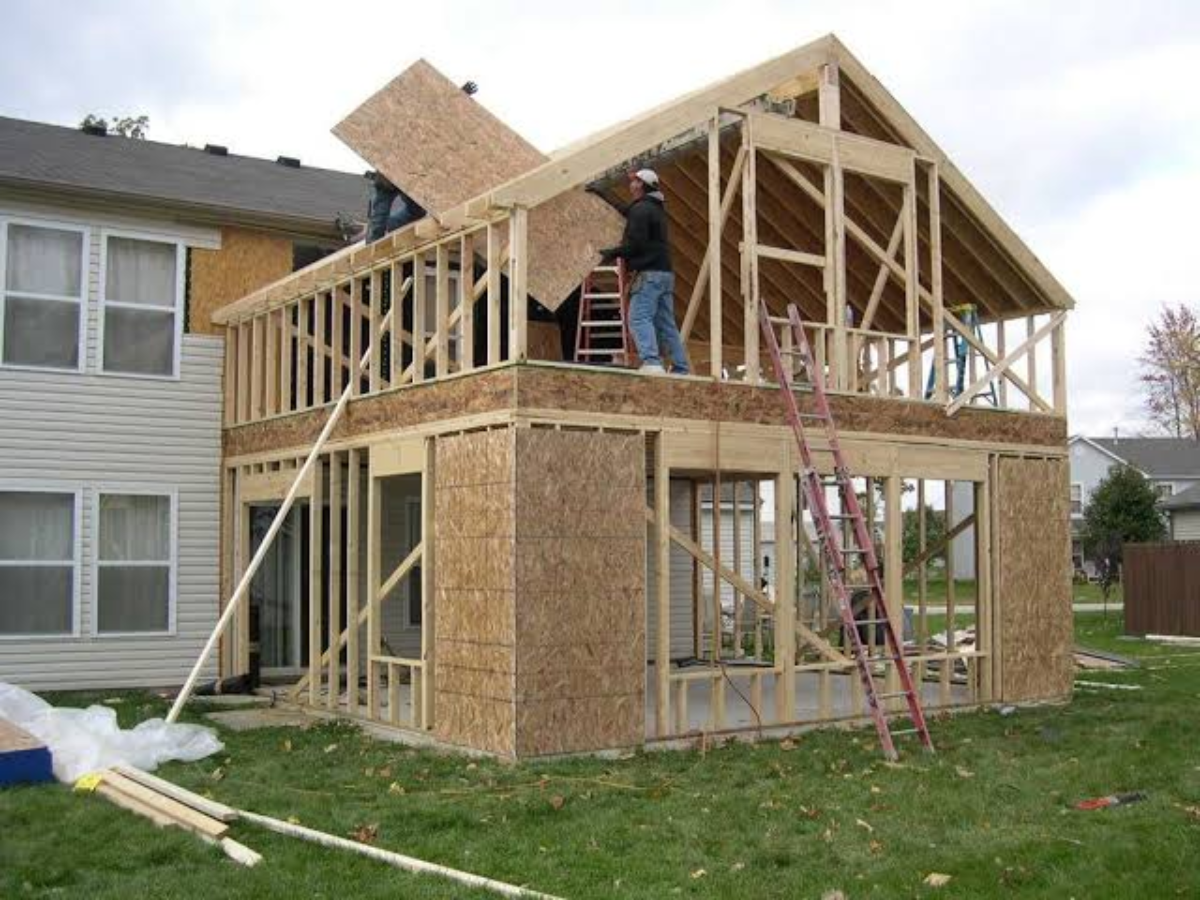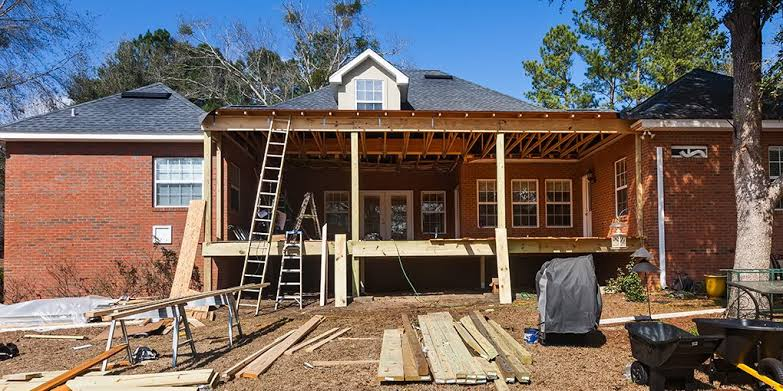
Remodeling a home is one of the most rewarding investments homeowners can make. Whether you’re upgrading an outdated kitchen, expanding your living space, modernizing an older property, or improving your home’s energy efficiency, a well-planned remodel can significantly enhance both your daily living experience and your property’s long-term value. However, successful remodeling projects don’t happen by chance—they require thoughtful planning, realistic budgeting, careful decision-making, and the right team of professionals.
For many homeowners, the biggest challenge isn’t choosing paint colors or flooring materials. It’s understanding where to begin, how much to budget, whether permits are required, and how to hire a contractor who can deliver quality workmanship on schedule. Without proper planning, even a small remodeling project can experience delays, unexpected costs, or design changes that impact the final result.
This home remodeling guide Texas homeowners can rely on walks through every major stage of the remodeling journey. From setting clear goals and creating a budget to understanding permits, comparing contractors, and preparing for construction, this guide provides practical information to help you make confident decisions and avoid common remodeling mistakes.
What Is Home Remodeling?
Home remodeling is the process of improving or transforming an existing home to better suit a homeowner’s lifestyle, functional needs, or aesthetic preferences. Unlike routine maintenance or simple repairs, remodeling often involves significant upgrades that may change the layout, functionality, or overall appearance of a space.
Many home remodeling projects in Texas focus on creating open floor plans, expanding kitchens, updating bathrooms, improving storage, or adding entirely new living areas. Other homeowners prioritize energy-efficient improvements, accessibility modifications, or outdoor living spaces that better suit the Texas climate.
A remodeling project doesn’t always mean changing an entire house. Some homeowners choose to renovate a single room, while others invest in whole-home transformations that modernize older properties and improve their resale value. Regardless of the project’s size, successful remodeling begins with understanding your goals and creating a clear plan before construction starts.
Remodeling vs. Home Renovation
Although the terms “remodeling” and “renovation” are often used interchangeably, they describe different types of home improvement projects.
A home renovation generally focuses on restoring or updating an existing space without significantly changing its structure or layout. Projects such as repainting walls, replacing flooring, installing new cabinets, or upgrading fixtures fall into this category. Renovations refresh the appearance and functionality of a home while preserving its original design.
Home remodeling, on the other hand, involves changing the way a space is designed or used. Removing walls to create an open-concept kitchen, converting a garage into a living area, adding a second bathroom, or building a room addition are all examples of remodeling because they alter the home’s layout or structure.
The following comparison highlights the differences:
| Home Renovation | Home Remodeling |
| Updates existing features | Changes the layout or structure |
| Primarily cosmetic improvements | Structural and functional improvements |
| Usually completed faster | Often requires more planning and permits |
| Lower overall cost | Higher investment but greater customization |
| Ideal for refreshing a home | Ideal for transforming how a home functions |
Understanding this distinction can help homeowners choose the right approach based on their goals, timeline, and available budget.
Popular Home Remodeling Projects in Texas
Every homeowner has unique priorities, but certain remodeling projects remain consistently popular throughout Texas because they improve comfort, functionality, and long-term property value.

Kitchen remodeling continues to be one of the most requested projects, as homeowners seek larger islands, additional storage, modern cabinetry, and energy-efficient appliances. Bathrooms are another high-priority space, with many homeowners replacing outdated fixtures, improving accessibility, or creating spa-inspired designs.
Whole-home remodeling has also become increasingly common, especially for older properties that require updated layouts, improved insulation, or modern finishes. Rather than purchasing a new home, many families choose residential remodeling services in Texas to customize their existing property according to their changing needs.
Outdoor improvements are equally important in Texas. Covered patios, outdoor kitchens, pergolas, and expanded entertaining areas allow homeowners to make better use of their outdoor space throughout much of the year. Home offices, garage conversions, mudrooms, and laundry room upgrades have also become popular as homeowners look for ways to improve functionality without relocating.
While every project is different, most remodeling goals fall into one or more of the following categories:
- Improving daily comfort and functionality
- Creating additional living space
- Increasing property value
- Modernizing outdated interiors
- Improving energy efficiency
- Preparing the home for long-term living
Choosing projects that align with your lifestyle rather than simply following current design trends often leads to greater satisfaction and a better return on your investment.
Benefits of Home Remodeling
A professionally planned remodel offers benefits that extend far beyond appearance. While updated finishes certainly improve the look of a home, remodeling also enhances the way a property functions and can reduce maintenance costs over time.
For growing families, remodeling creates additional living space without the expense of purchasing a larger home. Updated kitchens and bathrooms improve convenience, while improved storage solutions make everyday life more organized. Energy-efficient windows, insulation, and HVAC upgrades can also lower utility bills while increasing indoor comfort throughout the year.
Financially, remodeling may also strengthen a home’s resale appeal. Buyers are often attracted to homes with updated kitchens, modern bathrooms, flexible living spaces, and improved curb appeal. Although not every project delivers the same return on investment, strategic improvements can make a property more competitive in the housing market.
Perhaps the greatest advantage of remodeling is the ability to customize your home around your family’s current and future needs. Rather than adapting to an outdated layout, homeowners can create spaces that better support entertaining, remote work, growing families, or aging in place.
Planning Your Home Remodeling Project
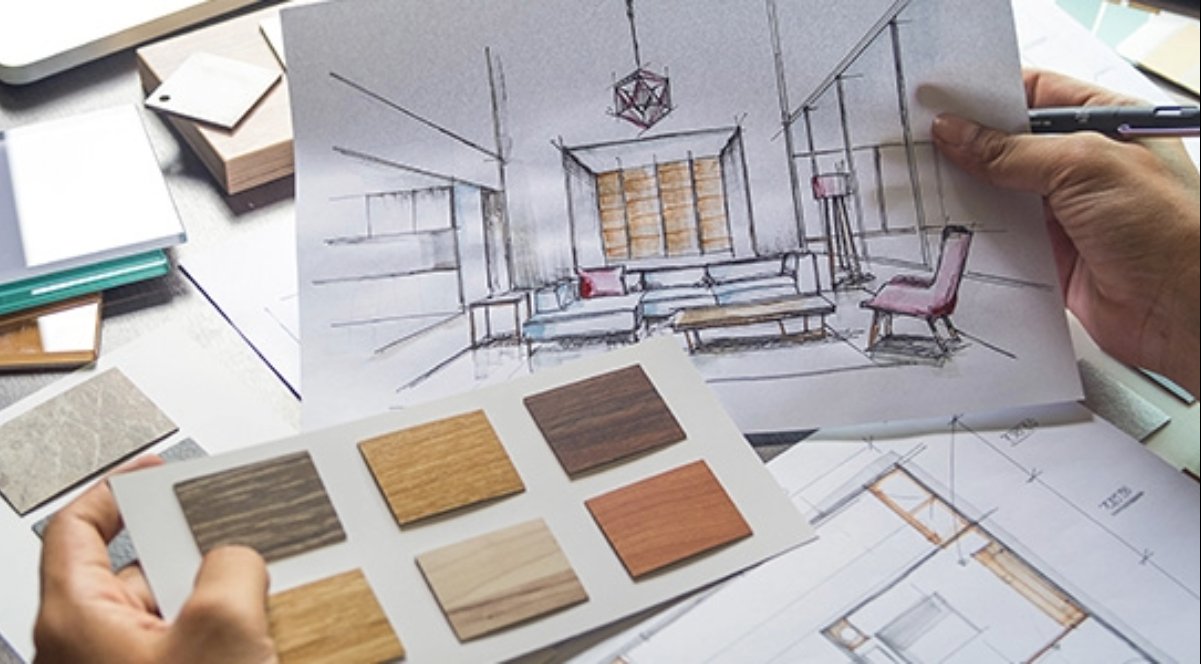
One of the biggest factors that separates a successful remodeling project from a stressful one is planning. Investing time in preparation before construction begins helps minimize unexpected expenses, reduce delays, and keep the project aligned with your goals.
An effective home renovation planning strategy in Texas starts by evaluating how you currently use your home and identifying areas that could better support your lifestyle. Instead of immediately selecting finishes or fixtures, begin by considering the purpose of the remodel. Are you creating more living space? Improving functionality? Preparing your home for resale? Or making long-term upgrades that will benefit your family for years to come?
Once you’ve identified your objectives, establish a realistic budget and determine which improvements are essential versus optional. Prioritizing your needs early in the planning process makes it easier to make informed decisions if costs change during construction.
It is also helpful to think about how the remodel may affect your daily routine. Larger projects often involve temporary disruptions, limited access to certain rooms, increased noise, and construction traffic. Understanding these challenges in advance allows homeowners to prepare accordingly and maintain realistic expectations throughout the project.
Set Clear Remodeling Goals
Every successful remodeling project begins with clearly defined objectives. Without a plan, homeowners may find themselves making expensive changes after construction has already started.
Before contacting contractors, ask yourself questions such as:
- What problems am I trying to solve?
- Which rooms need the most improvement?
- Is this remodel focused on lifestyle, resale value, or both?
- What features are most important to my family?
- What is my maximum investment budget?
Answering these questions creates a stronger foundation for design decisions and contractor discussions.
Prioritize Needs Before Luxury Upgrades
During the planning phase, it’s important to distinguish between improvements that are necessary and those that are optional. Addressing structural repairs, outdated electrical systems, plumbing issues, or roofing concerns before investing in cosmetic upgrades helps prevent future complications.
Luxury features such as premium countertops, designer lighting, or custom built-ins can certainly enhance a home, but they should generally be considered after essential improvements have been budgeted. This balanced approach allows homeowners to maximize both functionality and long-term value while keeping the project financially manageable.
Create a Realistic Remodeling Timeline
Every remodeling project follows its own schedule depending on its size, complexity, material availability, and local permitting requirements. Rather than expecting construction to move continuously without interruptions, homeowners should build flexibility into their plans.
A typical remodeling timeline looks like this:
| Project Phase | Typical Duration |
| Planning & Budgeting | 2–4 weeks |
| Design & Material Selection | 2–6 weeks |
| Contractor Selection | 2–3 weeks |
| Permits & Approvals | 1–6 weeks |
| Construction | 4–20+ weeks |
| Final Inspection & Walkthrough | About 1 week |
Understanding this general timeline helps homeowners coordinate moving schedules, temporary living arrangements, material deliveries, and other commitments while preparing for the next stage of the remodeling process.
How to Budget for a Home Remodel
After defining your remodeling goals, the next step is creating a realistic budget. One of the most common reasons remodeling projects exceed expectations is that homeowners underestimate the total cost of the project. Beyond materials and labor, expenses such as permits, design fees, inspections, and unexpected repairs can quickly increase the overall investment.
A well-planned budget gives you a clear understanding of what you can afford while providing flexibility if unexpected issues arise during construction. Rather than focusing only on the initial estimate, think of your budget as a complete financial plan that covers every stage of the project.
The actual cost of a remodel varies depending on factors such as the size of the home, the complexity of the work, material selections, labor rates, and your location within Texas. Gathering estimates from multiple home improvement contractors Texas homeowners trust can help establish realistic pricing before making any major decisions.
Typical Remodeling Cost by Project
| Remodeling Project | Typical Investment |
| Kitchen Remodel | Moderate to High |
| Bathroom Remodel | Moderate |
| Whole-Home Remodel | High |
| Room Addition | High |
| Flooring Replacement | Low to Moderate |
| Interior Painting | Low |
| Outdoor Living Area | Moderate to High |
| Exterior Renovation | Moderate |
While these ranges provide a starting point, every project is unique. Premium materials, custom features, structural modifications, or specialized finishes can significantly influence the final cost.
Build a Budget That Covers More Than Construction
Many homeowners focus only on contractor estimates and overlook additional expenses that become part of the project. A complete remodeling budget should also account for permit fees, design services, temporary accommodations, if necessary, storage costs, inspections, landscaping repairs, and a contingency fund for unforeseen issues.
A practical way to organize your budget is to divide it into major categories.
| Budget Category | Suggested Allocation |
| Labor | 35–45% |
| Materials | 30–40% |
| Design & Planning | 5–10% |
| Permits & Inspections | 2–5% |
| Fixtures & Finishes | 10–15% |
| Contingency Fund | 10–20% |
Including a contingency reserve is especially important because hidden problems such as outdated wiring, plumbing leaks, water damage, or structural repairs often become visible only after demolition begins.
Do You Need Permits for Home Remodeling in Texas?
Before construction starts, it’s important to determine whether your remodeling project requires permits. Building permits help ensure that work complies with local building codes and safety regulations. Although permit requirements vary by city and county, obtaining the necessary approvals before construction begins can prevent delays, failed inspections, and additional expenses later.
Professional providers of remodeling services in Texas are generally familiar with local permitting requirements and can often guide homeowners through the approval process. Even so, homeowners should understand which projects commonly require permits and discuss these requirements with their contractor before signing an agreement.
Projects that typically require permits include:
- Room additions or structural changes
- Electrical system upgrades
- Plumbing modifications
- HVAC replacements
- Garage conversions
- Foundation repairs
- Roof structural changes
- Window or door enlargements
Cosmetic improvements such as painting, replacing flooring, installing cabinets, or updating countertops usually do not require permits, though local regulations should always be confirmed.
If your property is governed by a homeowners association (HOA), exterior remodeling projects may also require HOA approval before work begins. Taking care of these approvals early helps prevent unnecessary delays once construction is underway.
How to Choose the Right Home Remodeling Contractor

The contractor you hire can have a greater impact on your remodeling experience than almost any other factor. A qualified contractor not only delivers quality workmanship but also manages schedules, coordinates subcontractors, communicates effectively, and helps ensure the project complies with local building requirements.
Instead of selecting a contractor based solely on price, take time to compare experience, communication style, project management practices, and previous work. A detailed consultation can often reveal how organized and transparent a contractor will be throughout the project.
Requesting references, reviewing completed projects, and asking detailed questions about similar remodeling jobs can provide valuable insight into a contractor’s capabilities. It’s also important to verify that the contractor carries appropriate insurance and clearly explains how permits, inspections, warranties, and change orders will be handled.
Compare More Than Just Price
When reviewing proposals, evaluate the complete scope of work rather than simply choosing the lowest estimate.
Consider factors such as:
- Experience with similar remodeling projects
- Detailed project scope
- Material specifications
- Estimated timeline
- Warranty coverage
- Communication process
- Payment schedule
- Cleanup responsibilities
A detailed written proposal provides a much clearer picture of the project than a simple price estimate.
Questions Worth Asking Before Hiring
During contractor interviews, ask questions that help you understand both their experience and how they manage projects.
For example:
- How many similar remodeling projects have you completed?
- Who will supervise construction each day?
- How will project updates be communicated?
- What happens if unexpected issues are discovered?
- How are change orders approved?
- What warranties are included after completion?
Clear communication at the beginning of a project often prevents misunderstandings later.
Red Flags to Watch For
While most contractors operate professionally, homeowners should be cautious if a contractor:
- Requests unusually large upfront payments.
- Refuses to provide references or proof of insurance.
- Avoids written contracts.
- Offers estimates significantly lower than competitors.
- Pressures you to make immediate decisions.
- Suggests skipping permits to reduce costs.
Choosing an experienced contractor based on qualifications rather than price alone often leads to a smoother remodeling experience and better long-term results.
Understanding the Home Remodeling Process
Knowing what happens during construction helps homeowners prepare for each stage of the project. While every remodel is unique, most custom home remodeling projects in Texas follow a similar sequence that begins long before demolition starts.
The process typically begins with an initial consultation where the contractor discusses your goals, budget, timeline, and design preferences. Measurements are taken, existing conditions are evaluated, and ideas are developed into a detailed project plan.
Once the design has been finalized, materials are selected and permits are obtained. Ordering products early is particularly important because specialty cabinets, custom windows, flooring, and appliances may require extended lead times.
Construction usually begins with demolition, followed by structural work, plumbing, electrical updates, HVAC modifications, insulation, drywall, flooring, cabinetry, painting, and finish carpentry. Throughout construction, inspections may be scheduled as required by local building authorities.
Before the project is officially completed, homeowners and contractors typically conduct a final walkthrough to review workmanship, verify that all agreed-upon work has been completed, and create a punch list for any remaining adjustments. Completing this final review ensures small details are addressed before final payment is made.
Financing Your Home Remodel
Not every homeowner chooses to pay for remodeling entirely with savings. Depending on the project’s size and available equity, several financing options may be available. The best choice depends on your financial situation, long-term goals, and the scope of the remodel.
The table below compares some of the most common financing methods.
| Financing Option | Best For | Key Benefit |
| Personal Savings | Small remodeling projects | No interest payments |
| Home Equity Loan | Large renovations | Fixed monthly payments |
| HELOC | Multi-phase projects | Flexible access to funds |
| Cash-Out Refinance | Major remodels | Larger borrowing amount |
| Contractor Financing | Qualified homeowners | Convenient financing options |
Before selecting any financing option, compare interest rates, repayment terms, fees, and eligibility requirements. Taking time to evaluate the total cost of borrowing can help you choose a financing solution that fits comfortably within your long-term budget.
Which Home Remodeling Projects Offer the Best Return on Investment?
Every remodeling project improves a home’s comfort and functionality, but not all upgrades provide the same financial return. If increasing your property’s value is one of your goals, it’s worth focusing on improvements that are consistently attractive to future buyers while also enhancing your everyday living experience.
In Texas, homeowners often prioritize projects that improve kitchens, bathrooms, outdoor living areas, and energy efficiency. These upgrades not only modernize a home but also make it more functional for today’s lifestyles. While return on investment (ROI) varies depending on the local housing market, the quality of workmanship, and the condition of the home before remodeling, choosing practical improvements generally delivers better long-term value than following short-term design trends.
The table below highlights some of the remodeling projects that typically offer the greatest value.
| Remodeling Project | Primary Benefit | Long-Term Value |
| Kitchen Remodeling | Improved functionality and modern appearance | High |
| Bathroom Remodeling | Increased comfort and updated design | High |
| Exterior Improvements | Better curb appeal | High |
| Energy-Efficient Upgrades | Lower utility costs | Moderate to High |
| Outdoor Living Spaces | Expanded usable space | Moderate to High |
| Room Additions | Additional living area | High (when thoughtfully designed) |
Kitchen remodeling continues to be one of the most popular investments because it enhances one of the most frequently used areas of the home. Updating cabinetry, countertops, lighting, appliances, and storage can significantly improve functionality while creating a more inviting space for family gatherings and entertaining.
Bathroom renovations are equally valuable, especially when outdated layouts or aging fixtures limit comfort. Improvements such as walk-in showers, modern vanities, improved lighting, and water-efficient fixtures help create a more practical and attractive space while increasing buyer appeal.
Exterior improvements also play an important role. Fresh siding, updated entry doors, landscaping, and modern windows improve curb appeal and help create a positive first impression. Since buyers often form opinions before entering a home, exterior upgrades can influence perceived value as much as interior improvements.
Energy-efficient upgrades have become increasingly popular as homeowners seek lower utility bills and improved indoor comfort. Replacing older windows, upgrading insulation, installing high-efficiency HVAC systems, or adding smart home technology can reduce operating costs while making a home more appealing to environmentally conscious buyers.
Common Home Remodeling Mistakes to Avoid
Even the most carefully planned remodeling projects can encounter challenges. Fortunately, many common problems can be avoided with proper planning, realistic expectations, and clear communication throughout the project.
One of the biggest mistakes homeowners make is beginning construction before finalizing the design. Making significant layout or material changes after work has started often results in additional labor costs, material waste, and project delays. Spending extra time during the planning phase generally saves both time and money later.
Another common issue is underestimating the overall budget. Many homeowners plan only for labor and materials without accounting for hidden expenses such as permit fees, inspections, temporary accommodations, or unexpected structural repairs. Including a contingency fund of approximately 10% to 20% of the total project budget provides financial flexibility if unforeseen issues arise.
Hiring a contractor based solely on the lowest estimate can also create problems. While competitive pricing is important, experience, communication, workmanship, warranty coverage, and reputation should carry equal weight during the selection process. A lower price may not include the same quality of materials or level of service offered by other contractors.
Homeowners should also avoid delaying permit applications or attempting to bypass local building requirements. Proper permits help ensure that work meets current building codes and may simplify future property sales by documenting completed improvements.
Finally, rushing material selections can create unnecessary delays. Many specialty products require several weeks—or even months—for delivery. Finalizing finishes, fixtures, flooring, and cabinetry before construction begins helps maintain the project schedule and minimizes last-minute substitutions.
Home Remodeling Planning Checklist
A successful remodeling project begins with careful preparation. Before construction starts, review the following checklist to make sure every major step has been addressed.
- Clearly define your remodeling goals and priorities.
- Establish a realistic budget, including a contingency fund for unexpected expenses.
- Research local permit requirements and determine whether HOA approval is needed.
- Compare multiple contractors before selecting one.
- Review contracts carefully before signing.
- Finalize design plans and material selections early.
- Order products with longer lead times before construction begins.
- Prepare your home for temporary disruptions during remodeling.
- Schedule inspections as required throughout the project.
Completing these steps before demolition starts can reduce delays, improve communication, and help the project progress more efficiently from beginning to end.
Why Hiring Professional Remodeling Services Matters
While some cosmetic improvements may be suitable for experienced DIY homeowners, larger remodeling projects often require specialized knowledge, technical skills, and careful project management. Structural modifications, electrical work, plumbing updates, and HVAC installations must comply with applicable building codes and are typically best handled by qualified professionals.
Experienced providers of remodeling services in Texas also coordinate scheduling, manage subcontractors, oversee inspections, and help maintain quality throughout the project. Their experience can reduce costly mistakes, improve construction efficiency, and provide homeowners with greater confidence during every stage of the remodel.
Working with professionals also offers the advantage of detailed planning before construction begins. From evaluating the existing structure to recommending practical design solutions and identifying potential challenges early, experienced contractors help homeowners make informed decisions that support both short-term goals and long-term value.
Conclusion
A successful remodeling project is built on careful planning, realistic budgeting, and informed decision-making. Whether you’re renovating a single room or planning a complete home transformation, taking time to understand each stage of the process can help reduce stress, control costs, and improve the final outcome.
This home remodeling guide Texas homeowners can use has covered the essential steps involved in planning a remodel—from setting goals and creating a budget to understanding permits, hiring qualified professionals, and preparing for construction. By approaching each phase with a clear plan and working with experienced home improvement contractors Texas homeowners trust, you can create a home that better suits your lifestyle while increasing its long-term value.
Ultimately, remodeling is more than an investment in your property—it’s an investment in how you live. With thoughtful preparation, realistic expectations, and the right team, your remodeling project can transform your home into a space that is more functional, comfortable, and enjoyable for years to come.
Frequently Asked Questions
Home renovation focuses on updating or restoring an existing space without changing its layout, while remodeling involves structural or layout changes that improve the functionality of the home.
Professional contractors bring experience, technical expertise, project management skills, and knowledge of local building requirements. They also help coordinate schedules, maintain quality standards, and ensure the remodeling process is completed efficiently and safely.
Permit requirements vary by city and county. Projects involving structural changes, electrical work, plumbing, HVAC systems, or room additions commonly require permits, while many cosmetic improvements do not.