Texas has developed one of the most extensive transportation and logistics networks in the United States, giving businesses access to major domestic and international markets. A combination of highways, rail networks, airports, seaports and border crossings allows companies to move products efficiently while building supply chains that can respond to changing market conditions.
For businesses considering expansion, relocation or new distribution operations, transportation infrastructure can be an important factor in evaluating long-term operating costs, market access and supply chain resilience.
Multimodal Transportation Strengthens Texas Logistics
One of Texas’ major advantages is its multimodal transportation network. Businesses can combine road, rail, air and maritime transportation depending on the type of goods being moved, destination requirements and supply chain strategy.
This connectivity supports a wide range of industries, including manufacturing, energy, agriculture, technology, retail and e-commerce. It also helps companies connect production facilities with distribution centers, customers and international markets.
Texas has remained a leading U.S. exporting state for more than two decades. Its extensive trade infrastructure and large number of Foreign Trade Zones also provide companies with options for managing international supply chains and improving trade efficiency.
Major transportation and distribution companies, including Amazon, American Airlines, BNSF Railway, FedEx, Southwest Airlines, Union Pacific and UPS, operate significant facilities or networks in the state.
Air Connectivity Supports Global Business

Texas has nearly 400 airports, including 26 commercial service airports, creating a substantial aviation network for business travel and cargo transportation.
Dallas Fort Worth International Airport provides extensive domestic and international connectivity and serves as an important cargo hub. Houston’s George Bush Intercontinental Airport also provides access to international markets while supporting freight and business travel.
For companies that depend on time-sensitive shipments or frequent business travel, access to major airports can be an important consideration when selecting a Texas operating location.
Highways Connect Texas Businesses to National Markets
Texas has more than 313,000 miles of public roads, giving businesses access to one of the largest road transportation networks in the country.
Major interstate and freight corridors connect manufacturing centers, warehouses, distribution hubs and population centers across the state. These routes also provide important connections to Mexico, Texas’ largest international trading partner.
For logistics-intensive businesses, highway access can influence delivery times, transportation costs and the ability to serve customers across multiple markets.
Freight Rail Supports High-Volume Shipments
Rail is another important component of the Texas logistics system. The state has more than 10,000 miles of freight rail track, supporting industries that frequently move large volumes of materials and products.
Petrochemicals, agriculture, energy and manufacturing are among the industries that can benefit from freight rail. Rail transportation can provide an efficient option for moving heavy or high-volume shipments over longer distances.
The connection between rail facilities, industrial properties and major transportation corridors also contributes to the development of distribution and manufacturing centers throughout the state.
Texas Ports Connect Businesses to Global Trade
Texas’ maritime infrastructure provides another major advantage for companies involved in international commerce. The state has 23 seaports, including 12 deep-water ports, supporting the movement of energy products, agricultural commodities, manufactured goods and containerized cargo.
Port Houston is one of the state’s most important maritime gateways and plays a major role in international trade. The Port of Laredo is also strategically important because of its position along the U.S.-Mexico border and its role in cross-border commerce.
These gateways can support companies pursuing international sourcing, distribution and nearshoring strategies by connecting Texas businesses with suppliers and customers in Mexico and other global markets.
A Large Logistics Workforce Supports Business Operations
Transportation infrastructure is only one part of a successful logistics ecosystem. Businesses also require workers with the skills needed to operate warehouses, transportation networks and distribution facilities.
Texas has a large transportation and logistics workforce, including truck drivers, warehouse employees, material-moving workers, logistics professionals and other supply chain specialists.
The state’s trucking industry also provides extensive capacity for freight transportation. Workforce development programs and technical training initiatives can further support the availability of talent as logistics operations continue to expand.
Texas Continues to Attract Distribution and E-Commerce Operations
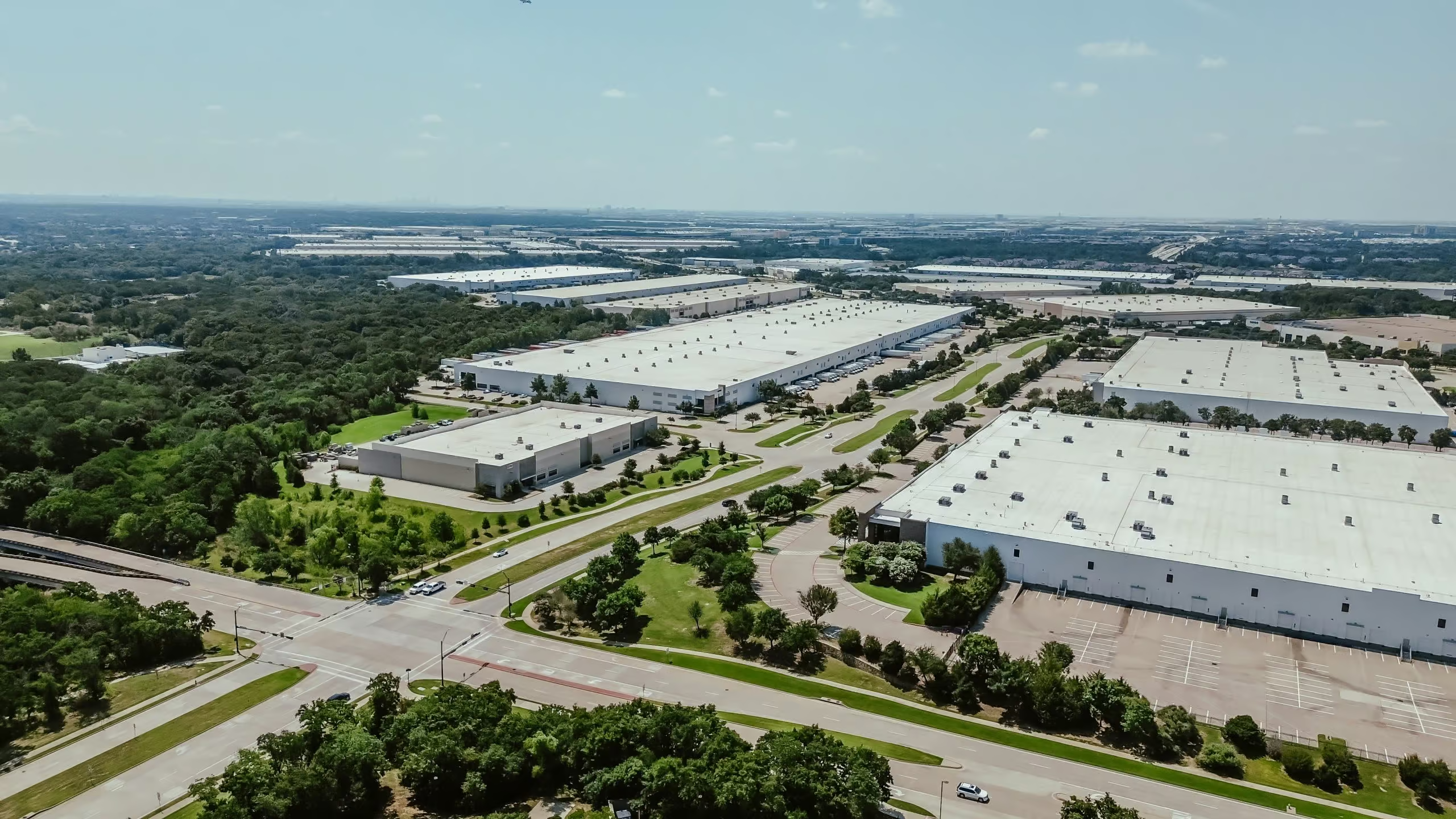
Texas’ central location, transportation infrastructure, available industrial real estate, and growing workforce have contributed to the expansion of distribution and e-commerce operations. The relationship between logistics growth, industrial real estate and supply chain demand is also becoming increasingly important for businesses evaluating Texas locations.
Companies can use Texas distribution centers to reach customers across the state and throughout the wider U.S. market. The state’s connections to Mexico also provide opportunities for businesses developing nearshoring and regional supply chain strategies.
As retailers, manufacturers and e-commerce companies adjust their distribution models, demand for strategically located warehouses and fulfillment facilities could continue to support Texas’ logistics sector.
Infrastructure Investment Supports Long-Term Growth
Texas continues to invest in transportation and other infrastructure to accommodate population growth and expanding industrial activity.
Investment in highways, freight corridors, ports, rail connections, broadband and energy infrastructure can help businesses plan for long-term operations. These investments are particularly relevant to industries such as advanced manufacturing, semiconductors, data centers and artificial intelligence, where infrastructure capacity can influence site selection.
Businesses evaluating expansion opportunities may also consider available economic development incentives, workforce programs and infrastructure resources when comparing potential locations.
What Texas Infrastructure Means for Businesses
The combination of road, rail, air, maritime and border infrastructure gives Texas businesses multiple ways to move goods and access markets. This flexibility can help companies design supply chains around speed, cost, capacity and geographic reach.
For manufacturers, retailers, distributors and logistics providers, proximity to major transportation corridors can support more efficient operations. For companies involved in international trade, access to ports and border crossings can provide additional supply chain options.
As Texas continues to grow, infrastructure development will remain an important part of the state’s economic expansion and logistics strategy.
Conclusion
Texas’ extensive infrastructure and logistics network provides businesses with access to major U.S. markets while supporting connections to international trade routes. Highways, freight rail, airports, seaports and border crossings work together to create a transportation ecosystem capable of supporting manufacturing, distribution, e-commerce, energy and other major industries.
Continued investment in transportation and supporting infrastructure could further strengthen Texas’ position as a national logistics hub. For businesses evaluating expansion or relocation, understanding transportation access, workforce availability and supply chain connectivity can help identify locations that support long-term growth.
FAQs
Texas has an extensive network of highways, freight rail, airports, seaports and border crossings. Its central location and access to Mexico also allow businesses to connect with major domestic and international markets.
Texas’ extensive highway network allows businesses to move products between major cities, distribution centers, manufacturing facilities and customer markets. Major interstate corridors also provide important connections to other states and Mexico.
Texas ports serve as gateways for international trade. Ports such as Port Houston and the Port of Laredo support the movement of energy products, manufactured goods, agricultural commodities and other cargo.
Businesses should evaluate highway and rail access, proximity to ports and airports, workforce availability, industrial real estate, utility capacity, customer markets and potential transportation costs before selecting a location.