Texas vehicle inspection rules changed significantly in 2025, but that does not mean every driver is exempt from inspections. While the state eliminated annual safety inspections for most non-commercial vehicles, emissions testing remains mandatory in certain counties. For drivers in parts of North Texas, completing an emissions test can still be an important step before renewing vehicle registration.
Understanding the current requirements can help Texas motorists avoid registration delays and prepare for the inspection process.
Did Texas Eliminate Vehicle Inspections?
Texas eliminated the annual safety inspection requirement for most non-commercial vehicles under House Bill 3297. However, emissions testing requirements remain in place for vehicles registered in certain counties.
As a result, some Texas drivers no longer need a traditional safety inspection, while others still need to complete an emissions test before renewing their registration. The requirement generally depends on the vehicle’s characteristics and the county where it is registered.
What Is an Emissions Test?
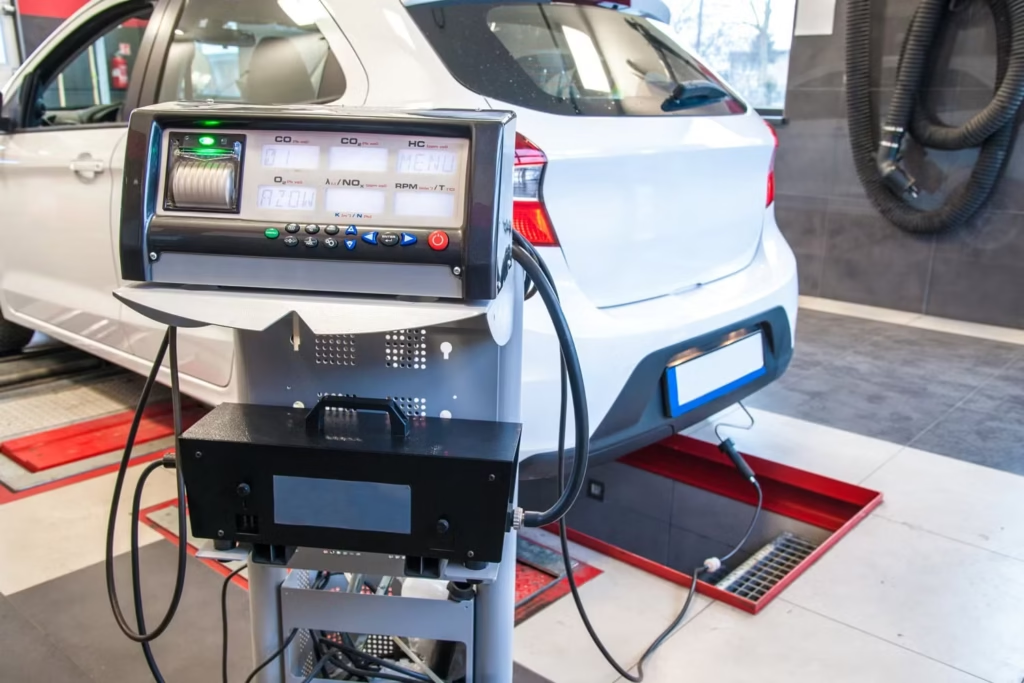
An emissions test checks whether a vehicle’s emissions-control system is functioning properly and meeting applicable state air-quality standards.
Inspection centers typically use the vehicle’s onboard diagnostics system, known as OBD-II, to evaluate emissions-related components. The testing equipment connects to the vehicle’s diagnostic port and communicates with the electronic control unit.
Unlike the former safety inspection, an emissions test does not focus on components such as brakes, transmission or other general mechanical systems. Its primary purpose is to determine whether the vehicle’s emissions-control systems are operating correctly.
Which Texas Drivers Still Need an Inspection?
Drivers in 17 Texas counties are subject to emissions testing requirements, including nine counties in North Texas. These include:
- Collin County
- Dallas County
- Denton County
- Ellis County
- Johnson County
- Kaufman County
- Parker County
- Rockwall County
- Tarrant County
Gasoline-powered vehicles that are between two and 24 years old generally fall under the emissions-testing requirement in these areas.
The test can be completed at a state-authorized inspection location, including participating automotive repair facilities. Drivers should confirm the current requirements for their vehicle and registration county before scheduling an inspection.
Why Can a Vehicle Fail an Emissions Test?
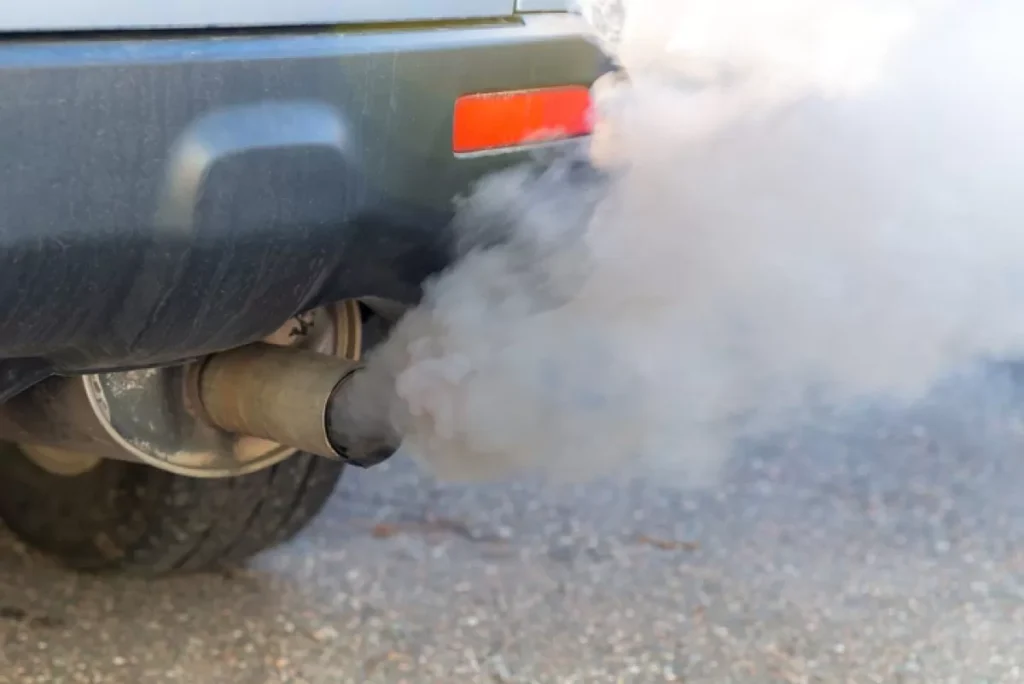
A vehicle may fail an emissions test when its emissions-control system does not provide the required data or indicates a problem.
One issue that can create problems is a recently replaced or disconnected battery. Battery replacement can clear diagnostic information stored by the vehicle’s electronic control system. After this happens, the vehicle may need to be driven through several normal driving cycles before its onboard systems complete their self-checks.
Drivers who recently replaced a battery or performed maintenance that reset diagnostic information may therefore want to allow sufficient driving time before taking the vehicle for an emissions test.
What Should Drivers Bring to the Inspection?
Drivers who are required to complete an emissions test should bring proof of insurance. Both electronic and paper versions of an insurance document may be accepted.
The maximum amount registered inspectors can charge for an emissions test is $18.50.
After a vehicle passes, the inspection information can be used to support vehicle registration renewal in Texas. Drivers may also receive documentation confirming that the vehicle passed the required test.
How Close to Registration Renewal Should the Test Be Completed?
The emissions inspection must generally be completed within 90 days before the vehicle’s registration expires.
Planning ahead can help drivers avoid waiting until the last minute. Completing the test too early may not satisfy the timing requirement, while waiting until the registration deadline approaches could leave less time to address any problems if the vehicle does not pass.
What Happens If the Inspection Documentation Is Lost?
Losing the inspection paperwork does not necessarily prevent registration renewal. The vehicle’s inspection information can generally be retrieved through its license plate information.
Drivers should still keep inspection records whenever possible, but they may not need to repeat a successful test simply because the physical document is misplaced.
How the Inspection Changes Affect Texas Drivers
The end of the traditional annual safety inspection has created some confusion because inspection requirements have not disappeared entirely. Instead, Texas has moved away from routine safety inspections for most non-commercial vehicles while maintaining emissions testing in designated counties.
This means drivers should not assume that every vehicle is exempt simply because the statewide safety inspection requirement changed. County of registration, vehicle age, fuel type and other factors can determine whether an emissions test is still required.
Tips for a Smooth Texas Inspection
Drivers can make the process easier by taking a few basic steps:
- Check whether the vehicle is registered in a county subject to emissions testing.
- Confirm that the vehicle falls within the applicable age and fuel requirements.
- Bring valid proof of insurance.
- Avoid scheduling an emissions test immediately after a battery replacement if diagnostic systems have not completed their required driving cycles.
- Complete the inspection within the permitted period before registration expiration.
- Keep documentation showing that the vehicle passed.
- Check registration requirements before the expiration date.
Conclusion
Texas vehicle inspection requirements are no longer as broad as they once were, but emissions testing remains an important requirement for many motorists. Drivers in counties such as Dallas, Collin, Denton and Tarrant may still need an annual emissions test depending on their vehicle’s age and fuel type.
Understanding the distinction between the former safety inspection and the current emissions-testing requirements can help motorists prepare properly, avoid unnecessary trips and complete vehicle registration renewal on time.
FAQs
Seventeen Texas counties participate in emissions testing. North Texas counties include Collin, Dallas, Denton, Ellis, Johnson, Kaufman, Parker, Rockwall and Tarrant.
Registered inspection stations can charge a maximum of $18.50 for an emissions test.
Drivers who are subject to emissions testing should bring proof of insurance. Electronic or paper proof may be accepted.
The inspection should generally be completed within 90 days before the vehicle’s registration expiration date.