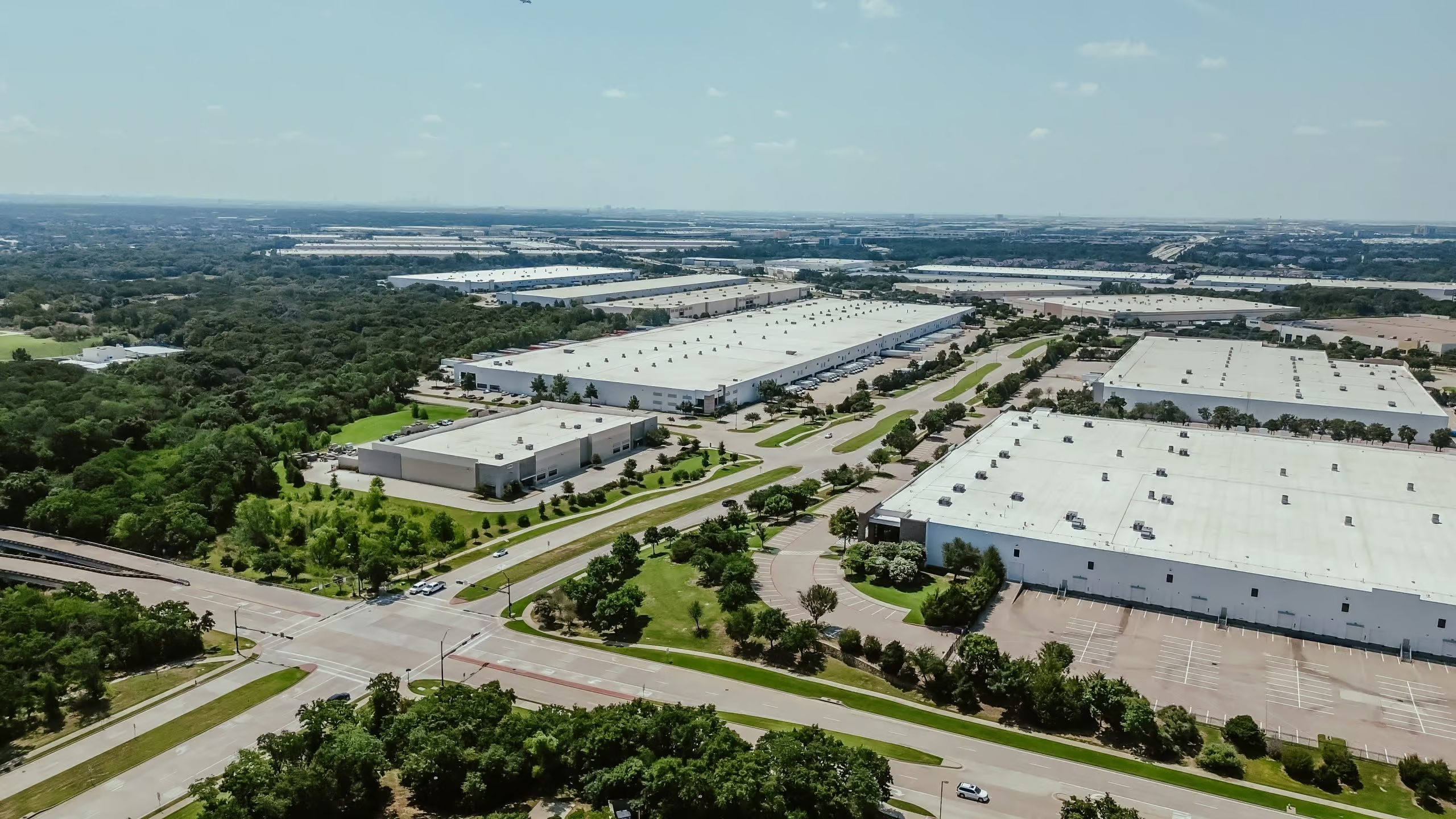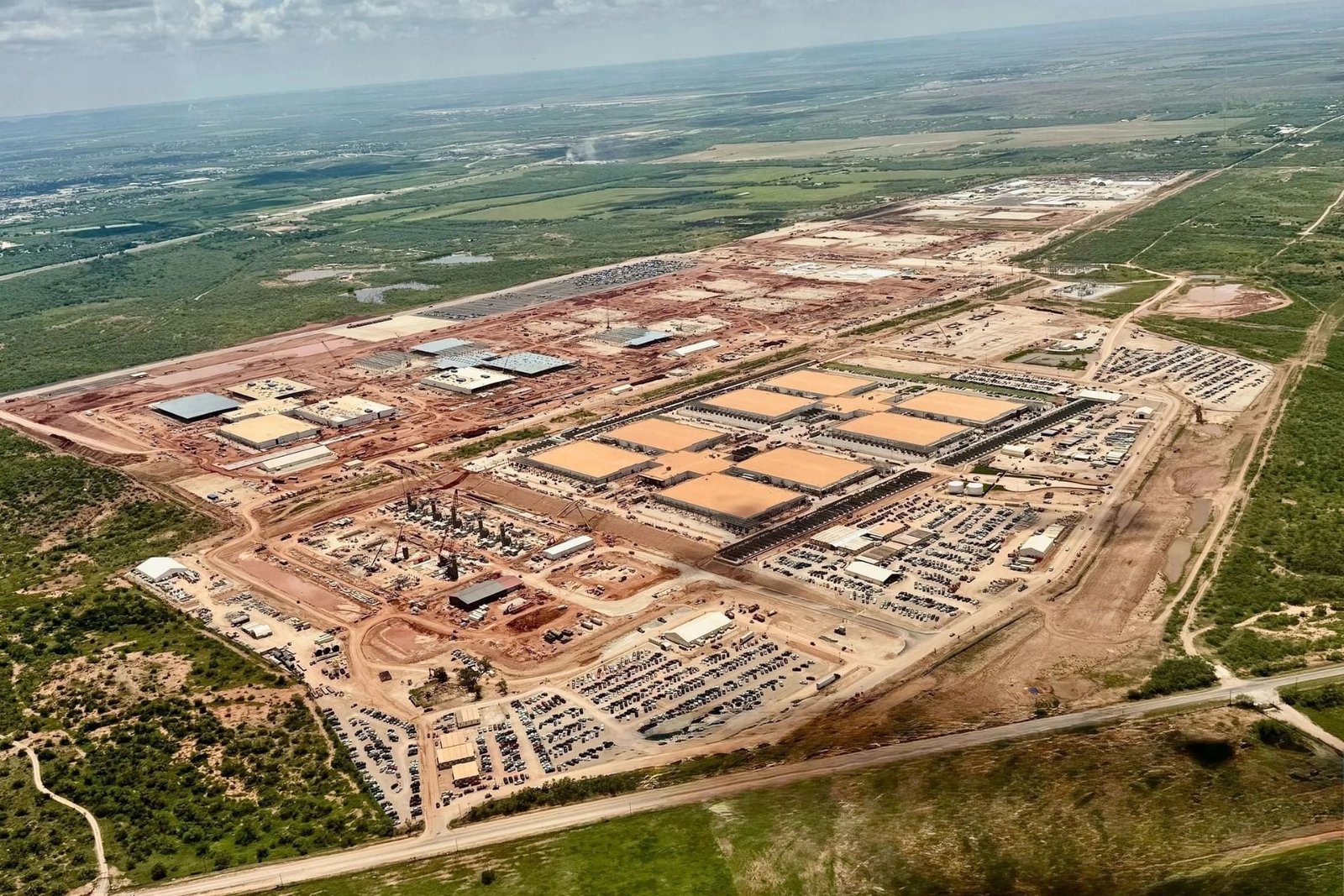
Texas has grown into one of the rapidly emerging states for data centers because of the fast emergence of artificial intelligence, cloud computing, and other energy-hungry technologies. In addition to bringing billions in funding, this trend has brought about rising concerns regarding the capacity of the state’s energy grid to meet this growing demand.
The matter has added pressure on how Texas deals with new data center constructions and their electricity consumption.
Why Data Centers Are Expanding Across Texas
What has drawn big technology companies and data center developers to the state of Texas is a package of tax breaks, cheap land, cheap electricity, and favorable regulations. There has also been an overall trend towards development in the entertainment sector and large-scale development projects in the Austin region, showing how much activity is happening in Texas.
Big technological projects have been developed in various regions of the state, including projects related to artificial intelligence and cloud computing.
It is essential that modern data centers need lots of energy. As AI technology becomes increasingly complicated, computing centers need ever-growing amounts of energy to keep their computers cool.
Data Centers Are Becoming a Major Source of Electricity Demand
The rise of hyperscale computing is already resulting in a considerable electricity load for Texas.
The entity responsible for managing Texas’ electricity load is the Electric Reliability Council of Texas (ERCOT). Currently, large data centers make up a considerable share of the electricity passing through the ERCOT grid.
This problem will be greatly exacerbated if the pipeline of projects currently under consideration goes ahead.
According to the estimates presented in the original report, the projected Texas data center pipeline will need tens of gigawatts of electricity. This will require a considerable effort on the part of power generation and transmission companies.
Why ERCOT Faces a Difficult Balancing Act
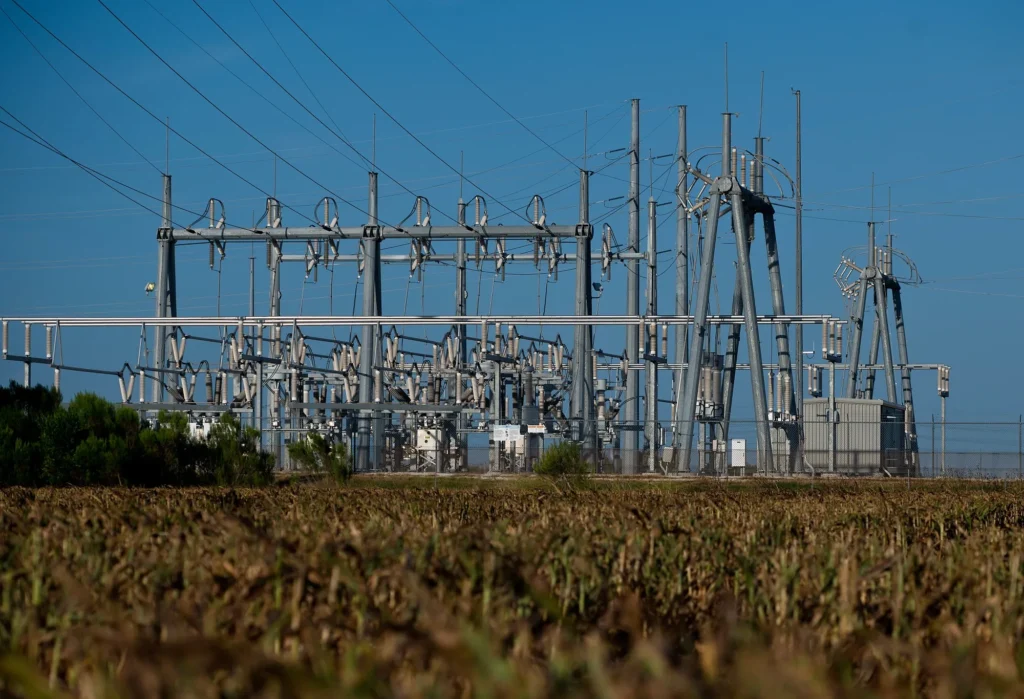
Supply-demand balance has always been one of ERCOT’s major tasks, which becomes more challenging because large data centers can use significant amounts of power all the time.
Simultaneous addition of several big data centers may create some strain on the generation capacity and transmission networks.
However, this issue is not about the capability to generate additional electricity, but about building the necessary facilities. New generation units and new transmission networks take time to be designed and built, so the connection of big data centers to the electricity system also takes time.
This situation means that a quick increase in the electricity consumption without the growth of the infrastructure can raise some concerns about high prices or low reliability.
Potential Impact on Electricity Prices
In addition to this, the growth of the energy-intensive data centers has also sparked some doubts regarding how their use of electricity would impact residential customers.
If the demand for electricity grows, more supply will be needed. This can have an impact on the market of electricity and may increase prices in specific situations.
This issue has transformed the growth of data centers into a serious energy policy issue rather than purely technological or real estate problem.
Why Gov. Abbott’s Intervention Matters
The Governor of Texas, Greg Abbott, has initiated efforts to analyze the speed of growth and implications of the growth of data centers.
An audit or analysis of proposed projects will give the government more details about their electrical needs, the implications to the grid, and the timeline involved.
Such an exercise might affect how soon some of the projects get connected to the grid.
The issue is especially important for projects that rely greatly on the electrical grid network. Those projects that have ways to produce their own energy will be treated differently.
The Rise of Behind-the-Meter Data Centers
One of these methods would be setting up a data center adjacent to the generation facilities providing it with power.
A behind-the-meter solution might allow for less reliance on the transmission grid since not all electricity will come from there, but some of it will be generated for the specific data center.
This approach might become more common as major technological corporations try to find ways to ensure the supply of electricity without being slowed down by interconnection problems.
On the other hand, dedicated power solutions have their own questions.
Texas Faces a Technology-Energy Trade-Off
The explosion of data centers in Texas provides both an economic opportunity and a problem of infrastructure for the state.
Big projects could generate investment, constructions, employment, and technological innovation. In addition, they could increase Texas’ status as a center of artificial intelligence and digital infrastructure.
Nevertheless, the energy consumed by these plants may put extra strain on a grid that has to power homes, companies, producers, and other sectors of the economy.
Thus, the main policy issue is how Texas can attract technology investments while maintaining electricity affordable and reliable.
What Could Happen Next?
Texas may well continue to prove an important destination for data centers, especially in light of increasing demand for AI compute capacity.
Any future developments could find themselves under increased pressure for their energy needs as well as how well they can either help provide or be able to generate energy for themselves.
This will require the efforts of state authorities, utilities, grid managers, tech firms, and the communities themselves to decide on how data centers will evolve in the future.
This could affect both the tech industry in Texas, as well as the state’s energy sector.
Conclusion
This rapid development of Texas’ data centers illustrates the growing correlation between technology and energy policy. The increasing pace of development of AI and cloud computing is generating an immense need for electricity. This raises questions about whether infrastructure can grow fast enough to accommodate such developments.
Texas’ task would be to find a balance between promoting major investments in technology and guaranteeing the safety of the grid.
In connection with the evaluation of new data centers by Texas, issues related to generation, transmission, connection to the grid, and back-of-the-meter technologies might become increasingly crucial. This approach to the development might define the future status of Texas as a technology haven and a major market for electricity.
FAQs
Texas offers factors such as available land, energy resources, tax incentives, and a business-friendly environment. These conditions have attracted major technology companies and data center developers.
Large data centers consume significant amounts of electricity, often continuously. A rapid increase in their power requirements can place additional pressure on electricity generation, transmission infrastructure, and grid connections.
Behind-the-meter data centers are facilities that can obtain electricity from dedicated generation resources located alongside or directly connected to the facility. This approach can reduce reliance on the broader electric grid for some or all of the site’s power needs.