Choosing the right auto repair shop is one of the most important decisions a vehicle owner can make. Whether it is routine maintenance, a warning light diagnosis, or a major engine repair, the quality of service directly affects a vehicle’s safety, reliability, and long-term performance. With hundreds of repair facilities across the state, understanding how to choose the best auto repair shop in Texas can help drivers avoid unnecessary expenses and ensure their vehicles receive professional care.
Texas drivers face unique challenges, including extreme summer temperatures, long highway commutes, heavy city traffic, and varying road conditions. These factors place additional stress on vehicles, making it essential to work with experienced professionals who can accurately diagnose problems and perform high-quality repairs.
This guide explains the most important factors to consider when selecting an auto repair shop, from technician certifications and customer reviews to warranties, repair estimates, and modern diagnostic equipment. Whether searching for routine maintenance or complex repairs, following these recommendations can help drivers confidently choose the best auto repair shop in Texas for their needs.
Why Choosing the Right Auto Repair Shop Is Important?
A reliable repair shop does more than fix mechanical issues. It helps protect a vehicle’s value, improves safety, and reduces the likelihood of recurring problems.
Improved Vehicle Safety
Critical systems such as brakes, steering, suspension, tires, and electrical components require proper diagnosis and repair. Experienced technicians follow manufacturer procedures and use quality replacement parts to ensure vehicles remain safe on Texas roads.
Long-Term Cost Savings
Choosing qualified professionals often prevents small problems from developing into major repairs. Preventive maintenance and accurate diagnostics reduce unnecessary part replacements and expensive breakdowns.
Although many drivers search for affordable car repair services in Texas, the lowest price does not always provide the best value. High-quality workmanship and reliable parts often save money over the life of the vehicle.
Better Vehicle Performance
Professional repairs help restore:
- Fuel efficiency
- Engine performance
- Ride comfort
- Braking capability
- Steering response
- Air conditioning performance
Routine maintenance also helps extend the lifespan of major components.
Warranty Protection
Many reputable repair facilities provide warranties covering both labor and replacement parts. These warranties give customers additional confidence that repairs will be completed correctly.
What Services Should a Good Auto Repair Shop Offer?
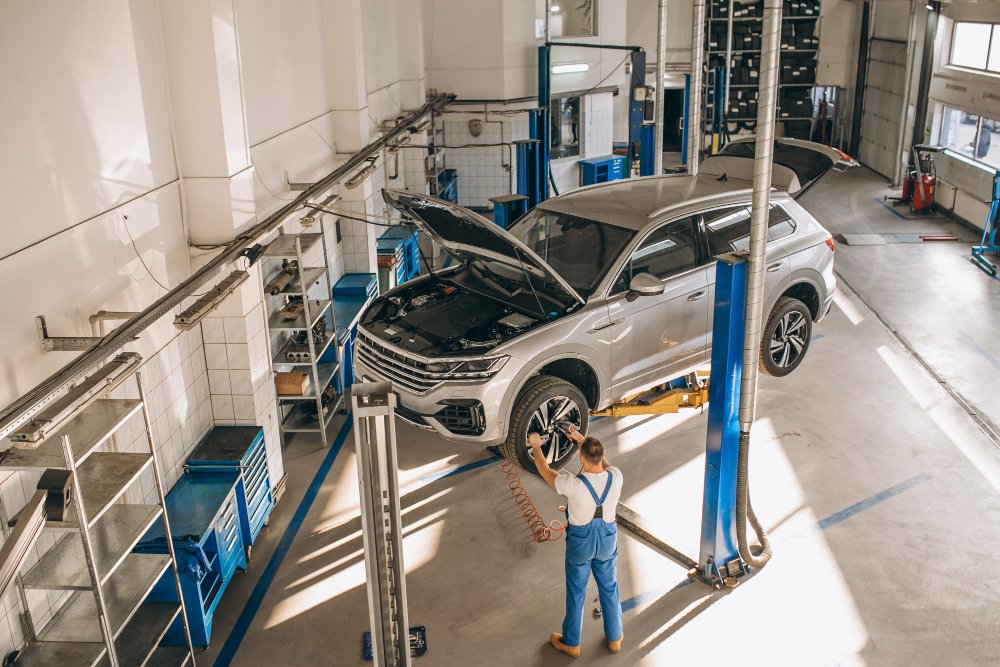
The best repair facilities provide comprehensive vehicle care rather than specializing in only one or two services. Choosing a shop that offers full-service auto repair in Texas allows drivers to build a long-term relationship with technicians who understand their vehicle’s maintenance history.
Common services should include:
Preventive Maintenance
Routine maintenance helps prevent unexpected breakdowns and extends vehicle life.
Examples include:
- Oil changes
- Tire rotation
- Fluid inspections
- Air filter replacement
- Battery testing
- Multi-point inspections
Brake Services
Professional brake services typically include:
- Brake pad replacement
- Rotor resurfacing or replacement
- Brake fluid replacement
- Brake inspections
- ABS diagnostics
Tire Services
A full-service shop should provide:
- Tire installation
- Tire balancing
- Tire rotation
- Flat tire repair
- Wheel alignment
- Tire pressure monitoring system (TPMS) service
Engine Diagnostics
Modern vehicles rely on computer-controlled systems that require advanced diagnostic equipment. Professional scan tools help technicians identify the root cause of warning lights and performance issues.
Suspension and Steering Repairs
These services may include:
- Shock replacement
- Strut replacement
- Ball joint replacement
- Tie rod repairs
- Steering rack service
Air Conditioning Repairs
Reliable shops should diagnose and repair:
- Refrigerant leaks
- Compressors
- Condensers
- Evaporators
- Cooling fans
Electrical Repairs
Electrical services commonly include:
- Battery replacement
- Alternator repairs
- Starter replacement
- Sensor replacement
- Wiring diagnostics
Offering a wide range of services demonstrates that a repair facility has the equipment and expertise necessary to handle various vehicle issues.
Qualifications to Look for in an Auto Repair Shop
Not every repair facility offers the same level of expertise. Evaluating technician qualifications helps ensure repairs are completed correctly the first time.
Certified Auto Mechanics
One of the strongest indicators of quality is technician certification.
When comparing repair shops, look for certified auto mechanics in Texas who hold recognized industry credentials, such as:
- ASE (Automotive Service Excellence) Certification
- Manufacturer-specific certifications
- Hybrid and electric vehicle training
- Ongoing professional education
Certification demonstrates that technicians have passed rigorous testing and remain current with evolving vehicle technologies.
Years of Experience
Experience matters because today’s repair professionals work on a wide variety of vehicle types and technologies.
An experienced repair shop should be comfortable servicing:
- Domestic vehicles
- European vehicles
- Japanese vehicles
- Korean vehicles
- Hybrid vehicles
- Electric vehicles
- Pickup trucks
- SUVs
- Commercial fleet vehicles
Experienced automotive repair experts in Texas are often better equipped to diagnose complex issues efficiently, reducing repair time and unnecessary costs.
Modern Diagnostic Equipment
Modern vehicles contain dozens of electronic control modules that monitor engine performance, emissions, braking systems, airbags, and driver-assistance features.
Professional repair facilities should invest in advanced equipment capable of:
- Reading manufacturer-specific diagnostic codes
- Performing computer diagnostics
- Programming electronic modules
- Resetting service indicators
- Diagnosing sensor failures
- Calibrating advanced safety systems
Using outdated equipment can result in inaccurate diagnoses and unnecessary repairs.
Read Customer Reviews Carefully
Customer reviews provide valuable insight into a repair shop’s reputation and service quality.
Before scheduling repairs, review feedback from multiple sources, including:
- Google Reviews
- Yelp
- Better Business Bureau
- Local community forums
When reading reviews, focus on recurring themes rather than isolated comments.
Positive indicators include:
- Honest communication
- Fair pricing
- Timely repairs
- Friendly staff
- Accurate diagnostics
- Warranty support
- Clean facilities
Also pay attention to how the business responds to negative reviews. Professional, respectful responses often indicate a commitment to customer satisfaction.
Compare Repair Estimates
Obtaining multiple estimates helps vehicle owners better understand repair costs and identify unusually high or low pricing.
A professional estimate should clearly outline:
- Recommended repairs
- Labor charges
- Parts costs
- Diagnostic fees
- Taxes
- Shop supplies
- Estimated completion time
- Warranty information
A transparent estimate allows customers to make informed decisions without unexpected charges after repairs are completed.
OEM vs. Aftermarket Parts
One of the most common questions vehicle owners face is whether to choose Original Equipment Manufacturer (OEM) parts or aftermarket components.
| Feature | OEM Parts | Aftermarket Parts |
| Fit and compatibility | Designed specifically for the vehicle | May vary by manufacturer |
| Cost | Generally higher | Often more affordable |
| Warranty | Typically backed by the manufacturer | Varies by brand |
| Availability | May require ordering | Widely available |
| Quality | Consistent manufacturer standards | Depends on the manufacturer |
A reputable repair shop will explain the advantages and limitations of both options and recommend the most appropriate choice based on the vehicle, budget, and warranty requirements.
Warranty Coverage Matters
A warranty reflects a repair shop’s confidence in its workmanship and the quality of the parts it installs. Before approving any repair, drivers should understand what is covered, how long the coverage lasts, and whether the warranty is honored at multiple locations.
Common warranty types include:
- Parts Warranty: Covers defects in replacement parts for a specified period.
- Labor Warranty: Covers the labor performed if the repair needs to be redone due to workmanship issues.
- Manufacturer Warranty: Applies when genuine OEM parts are installed under manufacturer guidelines.
- Nationwide Warranty: Some repair networks honor warranties across multiple locations, which can be beneficial for drivers who travel frequently.
Always request warranty details in writing and ask about any exclusions or conditions.
Questions to Ask Before Choosing an Auto Repair Shop
Asking the right questions helps determine whether a repair facility is transparent, experienced, and customer-focused.
- Are the technicians ASE-certified or manufacturer-certified?
- Do you provide written repair estimates before starting work?
- What warranty is offered on parts and labor?
- Do you use OEM or high-quality aftermarket parts?
- Can you explain the repair in simple terms?
- How long will the repair take?
- Will additional work require customer approval?
- Do you provide digital vehicle inspections or photos?
- What payment options or financing plans are available?
- Do you specialize in my vehicle’s make and model?
- A reputable shop should answer these questions clearly and honestly without pressuring customers into unnecessary repairs.
Signs of a Trustworthy Auto Repair Shop
Finding trusted automotive services in Texas becomes easier when drivers know what qualities to look for.
Clear Communication
Professional repair shops explain problems, recommended repairs, estimated costs, and expected timelines in language customers can understand.
Transparent Pricing
Reliable businesses provide written estimates and discuss any additional work before proceeding.
Certified Technicians
Shops staffed by certified auto mechanics in Texas demonstrate a commitment to professional standards and ongoing training.
Clean and Organized Facility
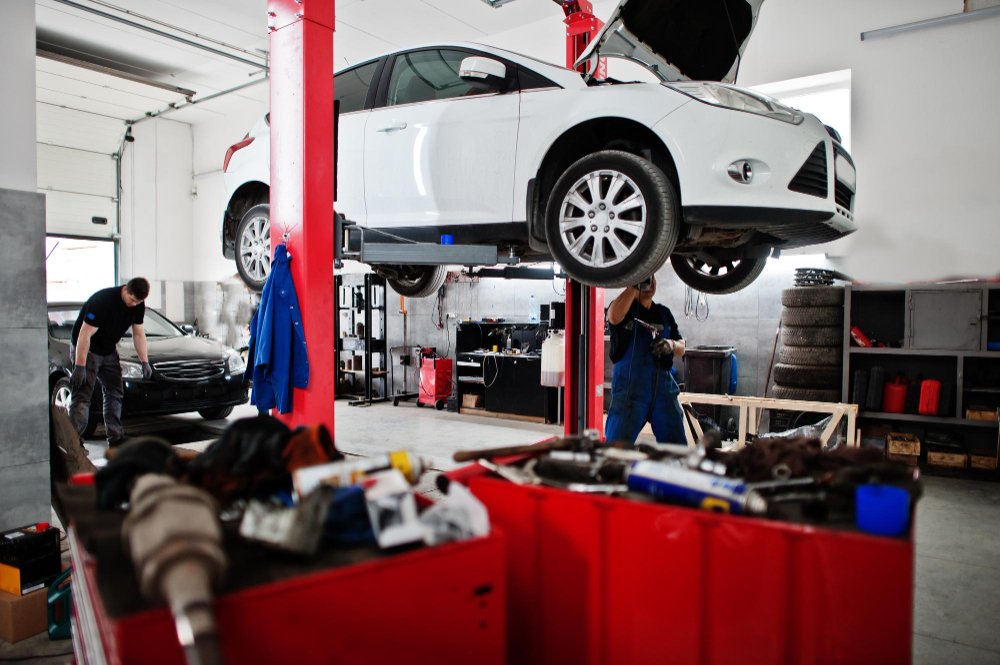
A well-maintained shop often reflects attention to detail and professionalism. While repair areas naturally contain tools and equipment, the workspace should appear organized and safe.
Modern Equipment
Advanced diagnostic tools allow technicians to identify problems accurately and reduce unnecessary repairs.
Positive Reputation
Consistently positive customer reviews, repeat clients, and recommendations from family or friends are strong indicators of dependable service.
Red Flags to Avoid
Not every repair shop delivers the same level of quality. Recognizing warning signs can help drivers avoid costly mistakes.
Common red flags include:
- No written estimate
- Extremely low prices that seem unrealistic
- Pressure to approve unnecessary repairs
- Poor online reviews
- Lack of technician certifications
- Refusal to explain repairs
- No warranty on parts or labor
- Poor communication
- Unorganized facility
- Frequent complaints about hidden charges
If a repair shop is unwilling to answer questions or explain recommendations, it may be best to seek a second opinion.
Independent Repair Shops vs. Dealerships
Both independent repair shops and dealerships provide valuable automotive services, but each offers unique advantages.
| Feature | Independent Repair Shop | Dealership |
| Labor costs | Often more affordable | Generally higher |
| Vehicle brands serviced | Multiple makes and models | Usually one manufacturer |
| Customer service | More personalized | Standardized processes |
| Appointment availability | Often quicker | May require longer wait times |
| OEM parts | OEM and quality aftermarket options | Primarily OEM parts |
| Warranty repairs | Shop warranty | Manufacturer warranty work |
| Routine maintenance | Excellent option | Excellent option |
| Specialized manufacturer repairs | Limited for some brands | Best for complex factory-specific repairs |
For routine maintenance and general repairs, many local auto repair shops in Texas offer competitive pricing, personalized service, and experienced technicians.
How Much Do Auto Repairs Cost in Texas?
Repair costs vary depending on the vehicle, repair complexity, replacement parts, and labor rates. The following estimates provide a general guide for common automotive services.
| Service | Typical Cost Range |
| Oil change | $40–$100 |
| Tire rotation | $25–$75 |
| Wheel alignment | $80–$200 |
| Brake pad replacement | $150–$400 per axle |
| Battery replacement | $150–$350 |
| Engine diagnostics | $100–$200 |
| Air conditioning repair | $150–$500+ |
| Suspension repair | $300–$1,500+ |
| Alternator replacement | $400–$900 |
| Transmission service | $150–$400 |
| Major transmission repair | $1,000–$4,500+ |
Actual costs vary depending on the vehicle make, model, parts used, and repair location.
Although many drivers search for affordable car repair services in Texas, quality, experience, and warranty coverage should always be considered alongside price.
Why Local Auto Repair Shops Offer Better Value
Many drivers prefer local auto repair shops in Texas because they often provide a more personalized customer experience.
Benefits include:
- Faster appointment scheduling
- Competitive labor rates
- Personalized recommendations
- Familiarity with local driving conditions
- Strong community reputation
- Long-term customer relationships
- Flexible maintenance scheduling
Building a relationship with a trusted local repair shop also helps technicians become familiar with a vehicle’s maintenance history, leading to more efficient diagnostics and better preventive care.
Maintenance Tips That Reduce Repair Costs
Preventive maintenance remains one of the most effective ways to reduce long-term ownership costs.
Routine Maintenance Checklist
- Change engine oil according to the manufacturer’s schedule.
- Rotate tires every 5,000–8,000 miles.
- Check tire pressure monthly.
- Replace engine and cabin air filters as recommended.
- Test the battery before extreme summer temperatures.
- Inspect brake pads and rotors regularly.
- Monitor coolant and other fluid levels.
- Schedule annual multi-point inspections.
- Address dashboard warning lights promptly.
- Follow the vehicle owner’s maintenance schedule.
These simple habits can help prevent major mechanical failures and improve vehicle reliability.
Quick Checklist Before Leaving the Repair Shop
Before driving away, take a few minutes to review the completed work.
Final Inspection Checklist
- Review the final invoice.
- Confirm that all requested repairs were completed.
- Understand the warranty coverage.
- Request maintenance recommendations for future services.
- Save repair receipts and maintenance records.
- Ask questions if any repairs are unclear.
Maintaining detailed service records can also improve resale value and simplify future maintenance planning.
Conclusion
Choosing the right repair facility is essential for protecting a vehicle’s performance, safety, and long-term value. From verifying technician certifications and comparing repair estimates to reviewing warranties and customer feedback, taking the time to evaluate repair shops can help drivers make informed decisions and avoid unnecessary expenses.
Whether scheduling routine maintenance or addressing unexpected mechanical issues, working with the best auto repair shop in Texas ensures repairs are completed correctly using quality parts and professional workmanship. Experienced technicians, transparent pricing, and excellent customer service contribute to a better ownership experience and greater peace of mind.
By partnering with trusted automotive services in Texas, drivers can build a long-term relationship with professionals who understand their vehicle’s maintenance needs and provide reliable support throughout its lifespan.
Frequently Asked Questions
Look for ASE-certified technicians, positive customer reviews, written estimates, warranties on repairs, transparent pricing, and clear communication.
Most manufacturers recommend following the maintenance schedule in the owner’s manual. Vehicles driven in heavy traffic or extreme temperatures may require more frequent service.
Costs vary depending on the vehicle and repair. Routine maintenance is generally less expensive than major engine or transmission repairs, making preventive maintenance a worthwhile investment.