Texas homeowners face a wide range of weather conditions throughout the year. From scorching summer temperatures and intense UV exposure to heavy rain, hailstorms, and strong winds, roofs in Texas must withstand some of the most demanding environments in the country. Choosing the right roofing material can improve a home’s durability, energy efficiency, and long-term maintenance costs.
Asphalt Shingles
Asphalt shingles remain the most common residential roofing material across Texas because they are affordable, versatile, and available in many styles and colors. High-quality architectural shingles offer better wind resistance and can provide reliable performance when professionally installed. Homeowners in hail-prone areas should consider impact-resistant shingles for added protection.
Metal Roofing
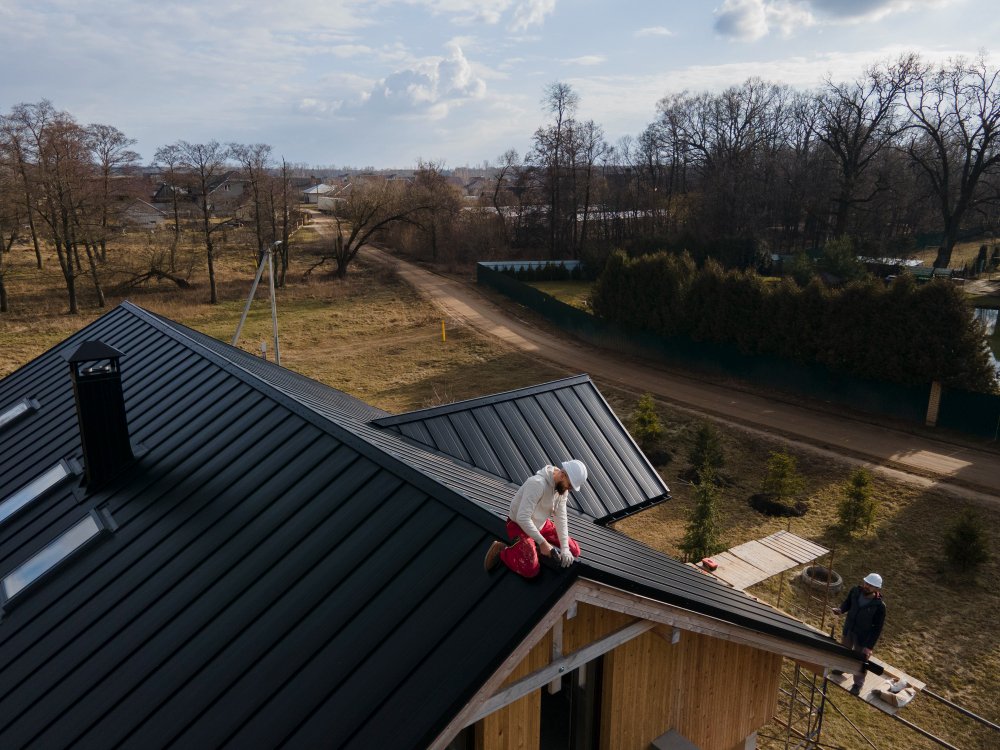
Metal roofing is one of the best-performing options for Texas homes. Its reflective surface helps reduce heat absorption during the state’s hot summers, making it an energy-efficient choice. Metal roofs also resist high winds, heavy rain, and fire while requiring relatively little maintenance. With proper installation, many metal roofing systems can last 40 to 70 years.
Clay and Concrete Tile Roofing
Clay and concrete tiles are popular in many parts of Texas because they perform exceptionally well in hot climates. These materials naturally resist heat and provide excellent insulation, helping keep indoor temperatures more comfortable. While highly durable, tile roofs are heavier than other roofing systems, so the home’s structure should be evaluated before installation.
Synthetic Roofing Materials
Synthetic roofing products have become increasingly popular among Texas homeowners. Designed to replicate the appearance of slate, wood shake, or tile, these materials offer excellent durability while remaining lighter and easier to maintain. Many synthetic roofing products are engineered to resist UV damage, moisture, and impact from hail.
Choosing the Right Roof for Texas Weather
Different regions of Texas experience different weather patterns. Coastal communities often require roofing materials that can withstand humidity, salt air, and hurricane-force winds. North and Central Texas frequently experience hailstorms, while West Texas homeowners must consider prolonged sun exposure and temperature fluctuations. Selecting a roofing material that matches local climate conditions can significantly improve its lifespan and overall performance.
Additional Factors to Consider
Beyond weather resistance, homeowners should evaluate warranty coverage, maintenance requirements, installation quality, and long-term value. Even the highest-quality roofing material performs best when installed by experienced professionals who understand Texas building codes and regional weather challenges.
Final Thoughts
Texas weather can be unpredictable, making roof selection an important investment for every homeowner. By understanding how different roofing materials perform under local climate conditions, homeowners can make informed decisions that improve protection, energy efficiency, and long-term value. Choosing materials designed for Texas weather helps ensure a roofing system remains dependable for many years.