Your vehicle’s tires are the only components that maintain direct contact with the road, making them essential for safe braking, steering, handling, and overall performance. Worn or damaged tires can reduce traction, increase stopping distances, lower fuel efficiency, and significantly increase the risk of accidents. Understanding when should you replace your car tires in Texas helps drivers stay safe while avoiding unexpected tire failures.
Texas driving conditions present unique challenges for tires. High summer temperatures, long highway trips, heavy city traffic, construction zones, and occasional severe weather can all accelerate tire wear. Without proper maintenance, even high-quality tires may wear out sooner than expected.
This guide explains how long tires typically last, the warning signs that indicate replacement is needed, the importance of tire rotation and wheel alignment, and practical maintenance tips to help Texas drivers maximize tire life and improve road safety.
Why Tire Maintenance Matters
Routine tire maintenance is one of the simplest ways to improve vehicle safety and reduce long-term operating costs. Properly maintained tires provide better traction, smoother handling, and more consistent braking performance.
Improved Road Safety
Healthy tires maintain better contact with the road surface, helping drivers maintain control during emergency braking, cornering, and wet weather conditions.
Better Fuel Efficiency
Properly inflated and well-maintained tires reduce rolling resistance, allowing the engine to operate more efficiently and improving fuel economy.
Longer Tire Lifespan
Routine inspections, tire rotations, balancing, and wheel alignments help distribute wear evenly across all four tires, extending their usable life.
Lower Maintenance Costs
Replacing tires before they become unsafe helps prevent damage to suspension components and reduces the likelihood of costly roadside emergencies.
How Long Do Car Tires Typically Last?
There is no single answer because tire lifespan depends on driving habits, road conditions, maintenance, and tire quality.
In general:
- Most passenger vehicle tires last 40,000 to 70,000 miles under normal driving conditions.
- Many tire manufacturers recommend replacing tires after six years, even if tread remains acceptable.
- Tires that are 10 years old should generally be replaced regardless of tread depth due to rubber deterioration.
Drivers should always follow the tire manufacturer’s recommendations and inspect tires regularly for signs of wear or damage.
Factors That Affect Tire Lifespan in Texas
Texas roads and climate can shorten tire life if regular maintenance is neglected.
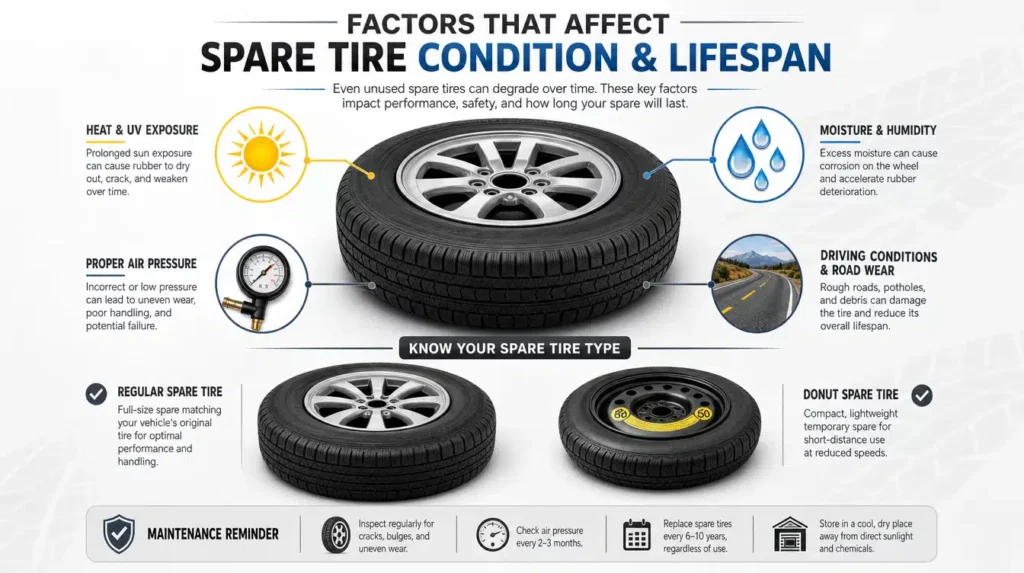
Extreme Summer Heat
High pavement temperatures increase tire pressure and accelerate rubber wear. Heat can also contribute to sidewall cracking and tread separation over time.
How to Reduce Heat-Related Wear
- Check tire pressure monthly.
- Avoid overloading the vehicle.
- Rotate tires on schedule.
- Inspect tires before long trips.
Long Highway Driving
Many Texas drivers travel long distances for work or recreation. Highway driving generally produces even tread wear but increases total mileage quickly.
Regular inspections help identify developing issues before they become serious.
Heavy City Traffic
Frequent stopping, accelerating, and turning place additional stress on tires, particularly in urban areas such as Houston, Dallas, Austin, and San Antonio.
Stop-and-go driving can also increase wear on the front tires.
Poor Road Conditions
Construction zones, potholes, gravel roads, and debris can damage tires and wheel alignment.
After striking a large pothole or curb, drivers should inspect the tires and schedule an alignment inspection if handling changes are noticed.
Signs You Need New Tires
Recognizing the signs, you need new tires helps prevent unsafe driving conditions and unexpected tire failures.
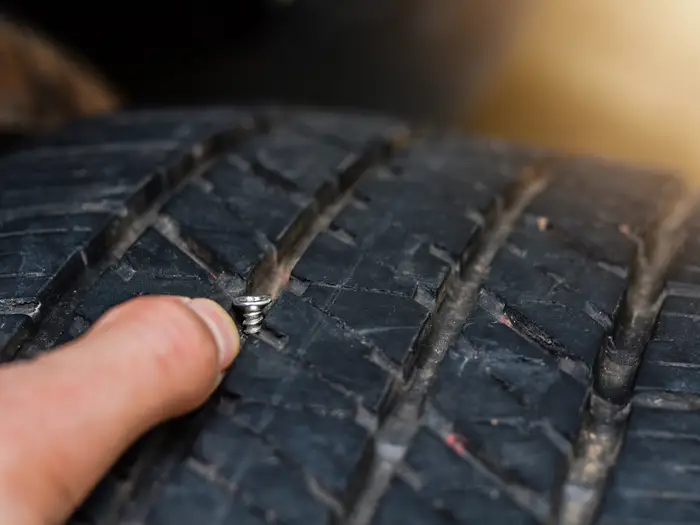
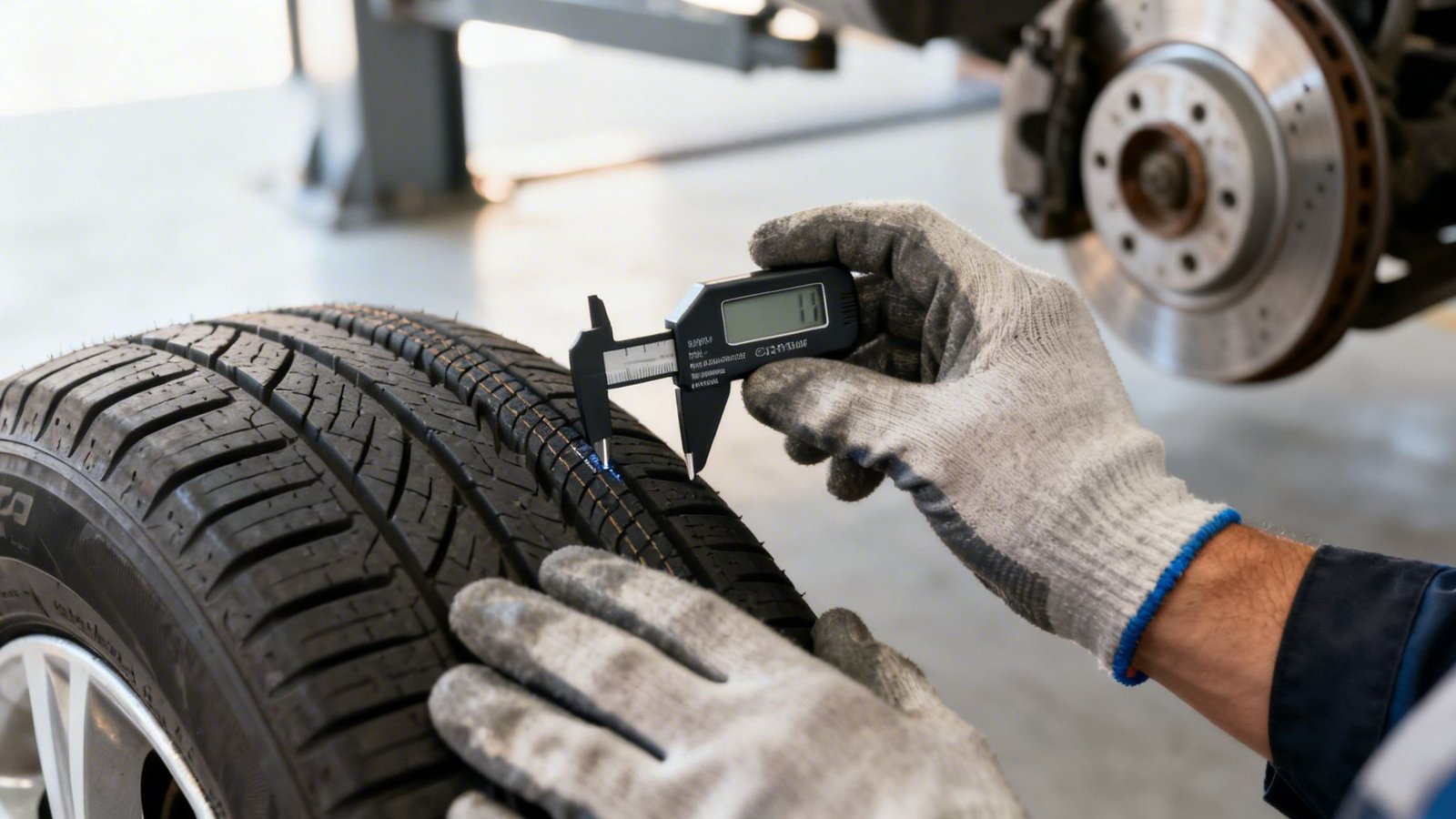
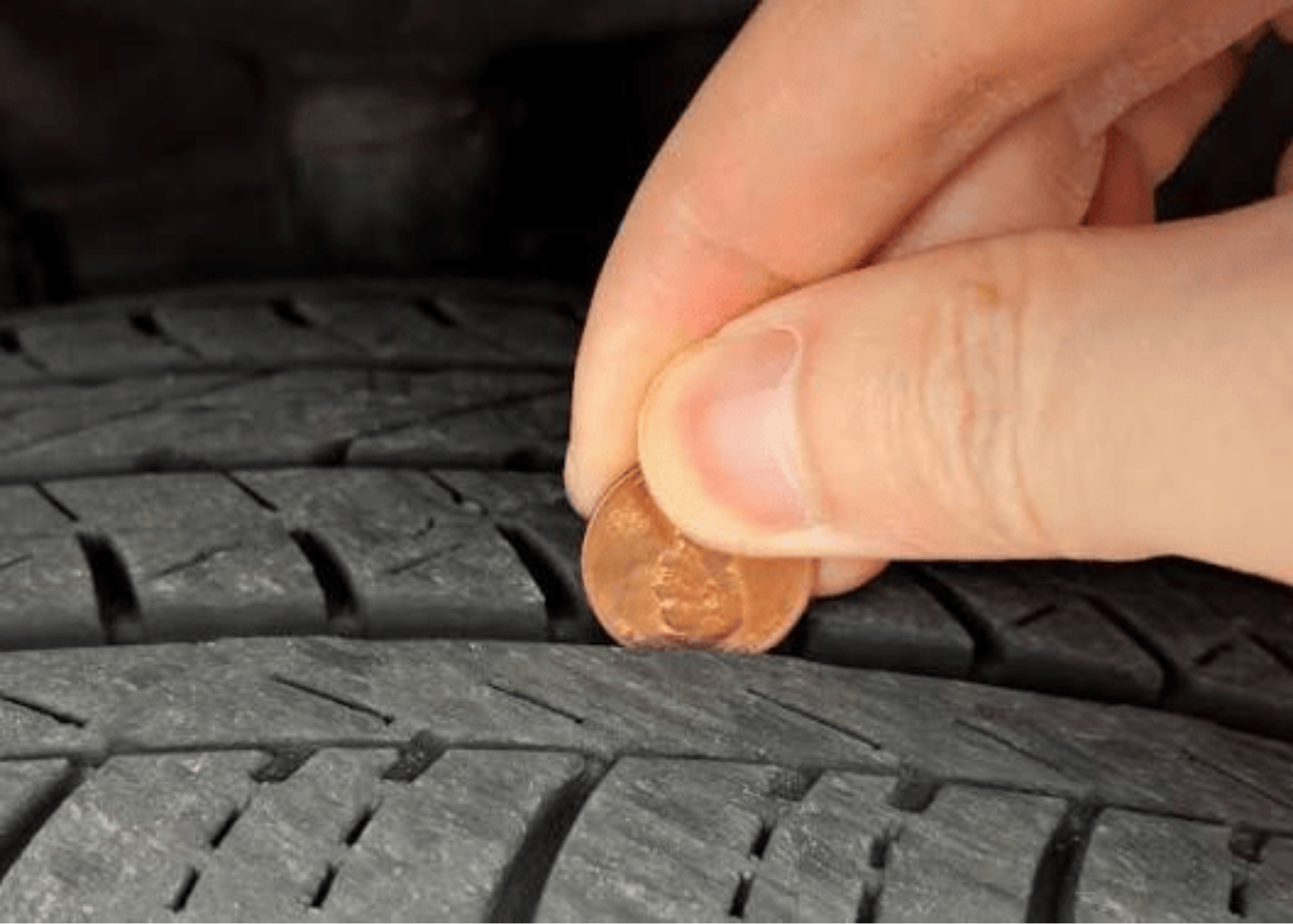
Low Tread Depth
Tread provides the grip necessary for braking and maintaining traction, particularly on wet roads.
As tread wears down, the risk of hydroplaning and longer stopping distances increases.
Most experts recommend replacing tires before tread depth becomes critically low.
Uneven Tire Wear
Uneven tread wear often indicates:
- Improper wheel alignment
- Incorrect tire pressure
- Suspension problems
- Failure to rotate tires regularly
Ignoring uneven wear shortens tire life and reduces handling performance.
Sidewall Cracks
Visible cracks in the sidewall indicate that the rubber is aging or deteriorating.
Texas heat can accelerate this process, increasing the risk of tire failure.
Bulges or Blisters
A bulge or bubble in the sidewall usually indicates internal structural damage.
These tires should be replaced immediately because they are more likely to experience a blowout.
Frequent Air Loss
A tire that repeatedly loses air may have:
- A puncture
- Valve stem damage
- Bead leaks
- Wheel damage
Persistent air loss should always be professionally inspected.
Excessive Vibrations
Although vibrations may result from wheel balancing issues, they can also indicate damaged tires or suspension problems.
Drivers should not ignore vibrations that occur at highway speeds.
Understanding Tire Wear Indicators
Modern tires include built-in tire wear indicators that help drivers determine when replacement is necessary.
These small raised bars are located within the tire grooves.
When the tread wears down to the same height as the wear indicators, the tire has reached its minimum safe tread depth and should be replaced.
Drivers should inspect these indicators regularly, particularly before long trips or during seasonal maintenance.
Recommended Tire Rotation Schedule
Following a regular tire rotation schedule helps distribute wear evenly across all four tires.
Most manufacturers recommend rotating tires every 5,000–8,000 miles, often during routine oil changes.
Benefits of regular tire rotation include:
- More even tread wear
- Longer tire lifespan
- Improved traction
- Better fuel economy
- Smoother ride quality
- Reduced replacement costs
Drivers should follow the rotation pattern recommended by the vehicle manufacturer.
Why Tire Balancing and Wheel Alignment Matter
Although often confused, tire balancing and wheel alignment address different aspects of tire performance.
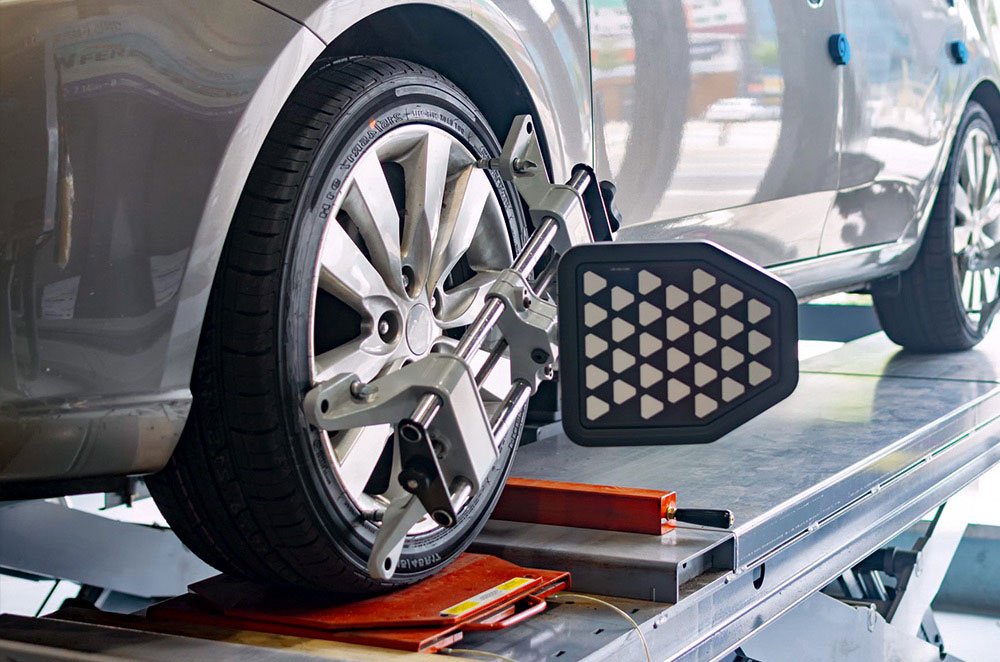
Tire Balancing
Tire balancing services ensure the weight of each wheel and tire assembly is distributed evenly.
Benefits include:
- Reduced vibration
- Improved ride comfort
- Even tire wear
- Less stress on suspension components
Balancing is typically recommended whenever new tires are installed or vibrations develop.
Wheel Alignment
Proper wheel alignment Texas services adjust the angles of the wheels to manufacturer specifications.
Alignment helps:
- Prevent uneven tire wear
- Improve steering response
- Increase fuel efficiency
- Extend tire life
- Improve vehicle stability
Misalignment often occurs after striking potholes, curbs, or road debris.
Drivers searching for tire rotation and wheel alignment services in Texas should choose repair facilities that use modern alignment equipment and inspect suspension components during the service.
How Texas Weather Affects Tire Performance
Texas weather creates conditions that can significantly influence tire wear throughout the year.
Summer Heat
High temperatures increase tire pressure, accelerate tread wear, and place additional stress on aging rubber compounds.
Heavy Rain
Worn tires provide less traction on wet roads, increasing the risk of hydroplaning.
Sudden Temperature Changes
Although less common, seasonal temperature fluctuations can affect tire pressure, making regular inspections important throughout the year.
Checking tire pressure at least once a month and before long road trips helps maintain optimal performance and safety.
Should You Replace Two Tires or All Four?
One of the most common questions drivers ask is whether all four tires need to be replaced at the same time.
Replace All Four Tires When:
- All tires have similar tread wear.
- The tires are the same age and nearing the end of their lifespan.
- The vehicle has all-wheel drive (AWD), if recommended by the manufacturer.
- Multiple tires show signs of damage or uneven wear.
Replace Two Tires When:
- Only two tires are worn or damaged.
- The remaining tires still have sufficient tread depth.
- The new tires closely match the existing tires in size and performance.
When replacing only two tires, technicians generally recommend installing the new tires on the rear axle to improve vehicle stability during wet road conditions.
Tire Maintenance Tips
Regular maintenance helps maximize tire life, improve safety, and reduce long-term operating costs.
Follow the Recommended Tire Rotation Schedule
Rotating tires every 5,000–8,000 miles promote even tread wear and extends tire life.
Check Tire Pressure Monthly
Proper tire inflation improves handling, braking performance, and fuel efficiency while reducing uneven wear.
Inspect Tread Depth Regularly
Monitor tread depth and inspect the built-in tire wear indicators to determine when replacement is necessary.
Schedule Wheel Alignments When Needed
If the vehicle pulls to one side or tires show uneven wear, a professional alignment inspection can help prevent premature tire replacement.
Balance Tires When Installing New Ones
Tire balancing services reduce vibration, improve ride quality, and help ensure even tire wear.
Avoid Overloading the Vehicle
Exceeding the vehicle’s recommended weight capacity places additional stress on the tires and may accelerate wear.
Drive Smoothly
Gradual acceleration, controlled braking, and avoiding potholes can significantly increase tire lifespan.
Common Tire Maintenance Mistakes to Avoid
Many drivers unintentionally shorten tire life by overlooking routine maintenance.
Common mistakes include:
- Ignoring low tire pressure
- Skipping scheduled tire rotations
- Delaying wheel alignments
- Driving on worn tires
- Failing to inspect tread depth
- Ignoring sidewall damage
- Overloading the vehicle
- Waiting too long to replace aging tires
- Neglecting tire balancing after installation
- Mixing different tire sizes or types on the same vehicle
Avoiding these mistakes helps improve safety and reduces long-term maintenance expenses.
Choosing a Tire Replacement Service in Texas
Selecting a qualified service provider ensures that new tires are installed correctly and perform as intended.
When comparing tire replacement services Texas, consider the following:
Technician Experience
Choose a shop with trained technicians experienced in tire installation, balancing, and wheel alignment.
Modern Equipment
Advanced balancing and alignment equipment helps improve accuracy and reduce future tire wear.
Tire Selection
A reputable shop should offer a variety of tire brands and recommend options based on the vehicle, driving habits, and budget.
Transparent Pricing
Request a written estimate that includes:
- Tire cost
- Installation
- Balancing
- Valve stems
- Disposal fees
- Alignment (if recommended)
Warranty Coverage
Ask about manufacturer warranties, road hazard protection, and workmanship guarantees before purchasing new tires.
Drivers looking for affordable tire replacement Texas should compare value rather than choosing solely based on the lowest price.
Tire Replacement Cost Overview
The cost of replacing tires depends on the vehicle, tire size, brand, and type of tire selected.
| Service | Typical Cost Range |
| Economy tire (each) | $80–$150 |
| Mid-range tire (each) | $150–$250 |
| Premium tire (each) | $250–$400+ |
| Tire installation | $20–$50 per tire |
| Tire balancing | $15–$30 per tire |
| Wheel alignment | $80–$200 |
| Tire rotation | $25–$75 |
Prices vary depending on tire brand, vehicle type, location, and service provider.
Investing in quality tires and routine maintenance often reduces long-term ownership costs by extending tire life and improving fuel efficiency.
Conclusion
Understanding when should you replace your car tires in Texas is essential for maintaining vehicle safety, handling, and performance. Tires naturally wear over time, but Texas driving conditions—including extreme heat, long highway trips, heavy traffic, and changing road surfaces—can accelerate that wear. Regular inspections, timely tire rotations, proper inflation, and professional wheel alignments help maximize tire life and reduce the risk of unexpected failures.
Drivers should pay close attention to signs you need new tires, such as low tread depth, uneven wear, sidewall damage, frequent air loss, and excessive vibration. Choosing the best tires for Texas weather and working with experienced professionals for installation and maintenance ensures better traction, improved fuel efficiency, and greater confidence on the road. With a consistent maintenance routine and timely replacement, drivers can enjoy safer, smoother, and more reliable travel throughout Texas.
Frequently Asked Questions
Most tires should be replaced when the tread becomes worn, the tire shows signs of damage, or it reaches the manufacturer’s recommended age. Texas heat and driving conditions may require more frequent inspections and earlier replacement.
Most passenger vehicle tires last between 40,000 and 70,000 miles, depending on the tire type, driving habits, maintenance, and road conditions. Regular rotations and proper inflation can help extend tire life.
Common signs include low tread depth, uneven tire wear, sidewall cracks, bulges, repeated air loss, excessive vibration, and reduced traction on wet roads. These issues should be addressed before they affect vehicle safety.