Generally, there will be several signs before any issue with your vehicle. Some of the signs are odd sounds, lights on the dashboard, fluid leaks, vibrations, or bad performance. Recognizing any issue timely helps you to deal with the issue to avoid expensive repairs or any other surprises while on the road.
As a Texan, you have to be familiar with the signs of car repairs especially in summer when more pressure will be put on your engine, your cooling system, your batteries, brakes, and your tires due to weather change and tough driving in the highways and cities. This will help you to solve any minor issue before it is an emergency issue.
This guide will help you to learn the common signs of car repairs and their meanings.
Why You Should Never Ignore Vehicle Warning Signs
All automobiles are built to give a signal in case any system isn’t working correctly. Neglecting such alerts will result in poor performance, costly fixes, and a higher risk of danger.
Safety Improvement
Vehicles’ issues could be linked to certain key components of the vehicle, which include the brakes, steering, suspension, and engine.
Reduced Maintenance Costs
Maintenance and repairs of smaller issues cost less money compared to repairs of larger components. For example, maintenance and repairs of worn brake pads cost less money than repairs of worn brake pads, rotors, and calipers because of neglect of maintenance.
Improvement of the Vehicle’s Performance
Quick repairs will guarantee the proper operation of the engine and will improve the vehicle’s performance and fuel consumption.
Prevention of Sudden Malfunctions
Recognizing the signs indicating that the vehicle needs maintenance will help avoid being stranded on the road.
Dashboard Warning Lights
Modern automobiles have computers that keep track of many different systems. In case of a fault, an indicator light appears on the dashboard for the driver’s awareness.
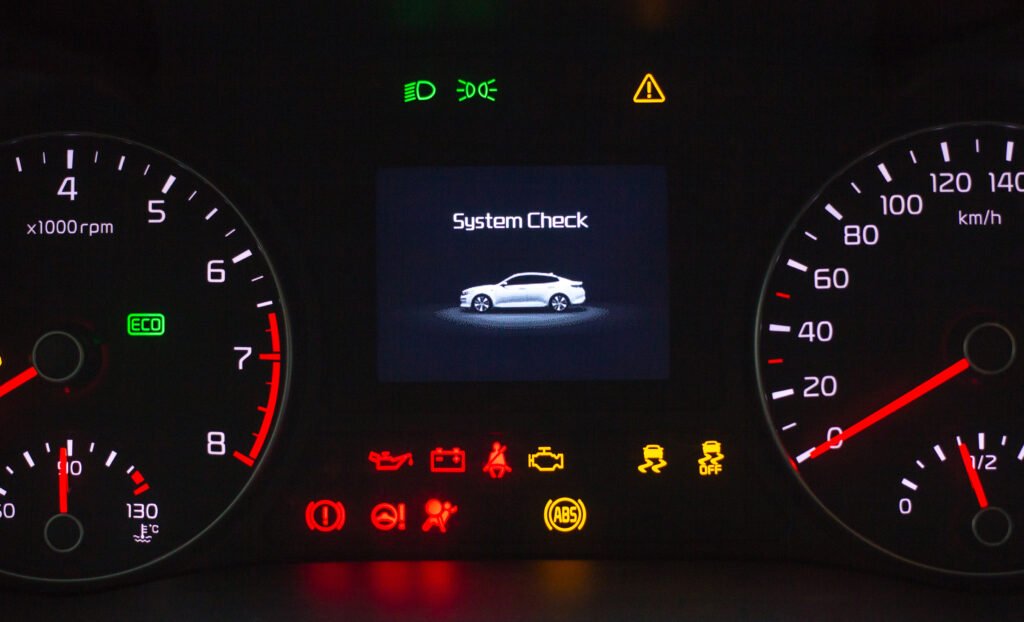
Ignoring these lights may result in more extensive damage.
Common Dashboard Warning Lights
| Warning Light | Possible Cause | Urgency | Recommended Action |
| Check Engine Light | Engine, emissions, ignition, or sensor issue | Medium to High | Schedule diagnostics immediately |
| Oil Pressure Warning | Low oil pressure or lubrication problem | High | Stop driving and check the engine immediately |
| Battery Warning | Charging system or alternator problem | High | Inspect the charging system as soon as possible |
| Brake Warning | Brake system fault or low brake fluid | High | Have the braking system inspected immediately |
| Coolant Temperature | Engine overheating | Critical | Pull over safely and allow the engine to cool |
| ABS Warning | Anti-lock braking system malfunction | Medium | Schedule brake system diagnostics |
| Tire Pressure Warning (TPMS) | Low tire pressure or TPMS issue | Medium | Check tire pressure and inspect tires |
Check Engine Light
Among the most frequent lights seen in the dashboard of the car are the check engine lights. This is because they might mean anything from a minor problem with the car to serious problems that involve the engine or emissions.
In situations where the check engine lights start blinking instead of remaining stationary, a check is required immediately.
Unusual Car Noises
There are certain noises which the car makes due to its parts’ wearing off. One should pay attention to these noises to avoid serious problems.
Squealing Brakes
High-pitched squeal means that it is time to change the brake pads before the rotors get damaged.
Grinding Noise
The grinding noise when braking occurs because of the wear of the brake pads and direct contact of metal parts and the rotors.
Knocking Engine
The knocking noises from the engine mean the wear of the engine, combustion problems, or lubrication problem.
Clicking Sounds
The clicking noises when the car is turning mean that CV joints are worn out, while the clicking noises from the engine area mean that there is something wrong with the valve train.
Whining Noises
Whining sounds could come from the transmission, power steering system, differential, or drive belts.
Hissing Sounds
A hissing sound could mean either vacuum, coolant leak, or high-pressure escape from the cooling system.
Any unusual sounds made by your car need to be inspected by an automotive professional.
Engine Problem Symptoms
The engine is the heart of every vehicle, and changes in its performance often signal the need for immediate attention.
Loss of Power
Lower acceleration can mean:
- Faults in the fuel system
- Ignition problems
- Dirty air filters
- Bad sensors
Rough Idling
An erratic idle may occur due to:
- Clogged fuel injectors
- Faulty spark plugs
- Vacuum leaks
- Poor ignition system functioning
Frequent Stalling
Engine stalling is usually an indication of problems with the fuel system, ignition system, battery, alternator, or sensors.
Engine Overheating
One of the worst signs of an engine problem is engine overheating.
Some causes are:
- Low coolant
- Leaking radiator
- Bad thermostat
- Defective water pump
- Faulty cooling fan
When the temperature gauge hits the red, pull over right away. Let the engine cool down first.
Burning Smell
BBurning smells can be associated with:
- Oil leaks
- Electrical system problems
- Hot brakes
- Slippery belts
- Transmission trouble
Failure to address burning smells could result in serious vehicle damage.
Fluid Leaks
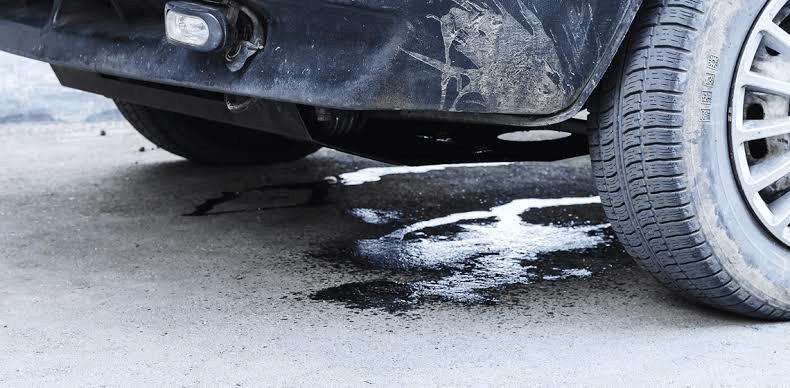
Fluids are important to keep the car systems moving, lubricated, and cool. The leaks are never to be overlooked.
Common Vehicle Fluid Leaks
| Fluid Color | Likely Source | Severity |
| Amber/Brown | Engine oil | High |
| Green, Orange, Pink | Coolant | High |
| Red | Transmission fluid | High |
| Clear to Yellow | Brake fluid | Critical |
| Red or Amber | Power steering fluid | Medium to High |
| Clear Water | Air conditioning condensation | Usually normal |
Engine Oil Leaks
Engine oil leakages affect engine lubrication and may even lead to engine overheating in the long run.
Coolant Leaks
The effect of coolant leakages is that of engine overheating, particularly in the hot Texan weather.
Brake Fluid Leaks
Brake fluid leakages impact the performance of the brakes and should be checked immediately.
Transmission Fluid Leaks
Transmission fluid leakages can make the transmission system slip gears and cause other damages to it.
Brake Problems
The brake system is one of the top indicators of vehicle safety since it influences the capability to stop.
Soft Brake Pedal
A soft or spongy brake pedal may indicate:
- Air in brake lines
- Brake fluid leaks
- Master cylinder failure
Grinding While Braking
Grinding is a sign of very worn-out brake pads and needs immediate replacement.
Vibrations While Braking
Wheel vibrations are usually a sign of warped brake discs.
Tendency to Pull to One Side
If there is a pull to either the left or the right when braking, then brake imbalance or hydraulic issues can be at work.
Greater Braking Distance
Any extra braking distance calls for immediate inspection before posing any risks to driver safety.
Regular brake inspections are one of the best preventive measures.
Steering and Suspension Warning Signs
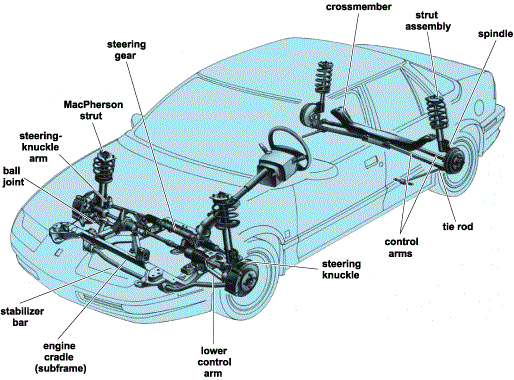
The steering and suspension systems play a vital role in keeping the car controllable, stable, and smooth to drive. Should these two systems begin to falter, the car may become difficult to handle, leading to accidents.
Steering Wheel Vibrations
A vibrating steering wheel is often caused by:
- Unbalanced wheels
- Damaged or unevenly worn tires
- Warped brake rotors
- Worn suspension components
If the vibration continues or becomes more noticeable at higher speeds, schedule a professional inspection as soon as possible.
Vehicle Pulling to One Side
A vehicle that consistently drifts left or right may indicate:
- Improper wheel alignment
- Uneven tire pressure
- Brake system issues
- Suspension damage
Ignoring this problem can accelerate tire wear and reduce steering control.
Excessive Bouncing
In case the car still bounces despite driving on rough surfaces, the shock absorbers or struts are worn out and need replacement in order to improve performance of the car.
Wobbly or Unresponsive Steering
In case the steering of the car is not responsive enough, you need to replace the parts of the steering system.
Tire Warning Signs
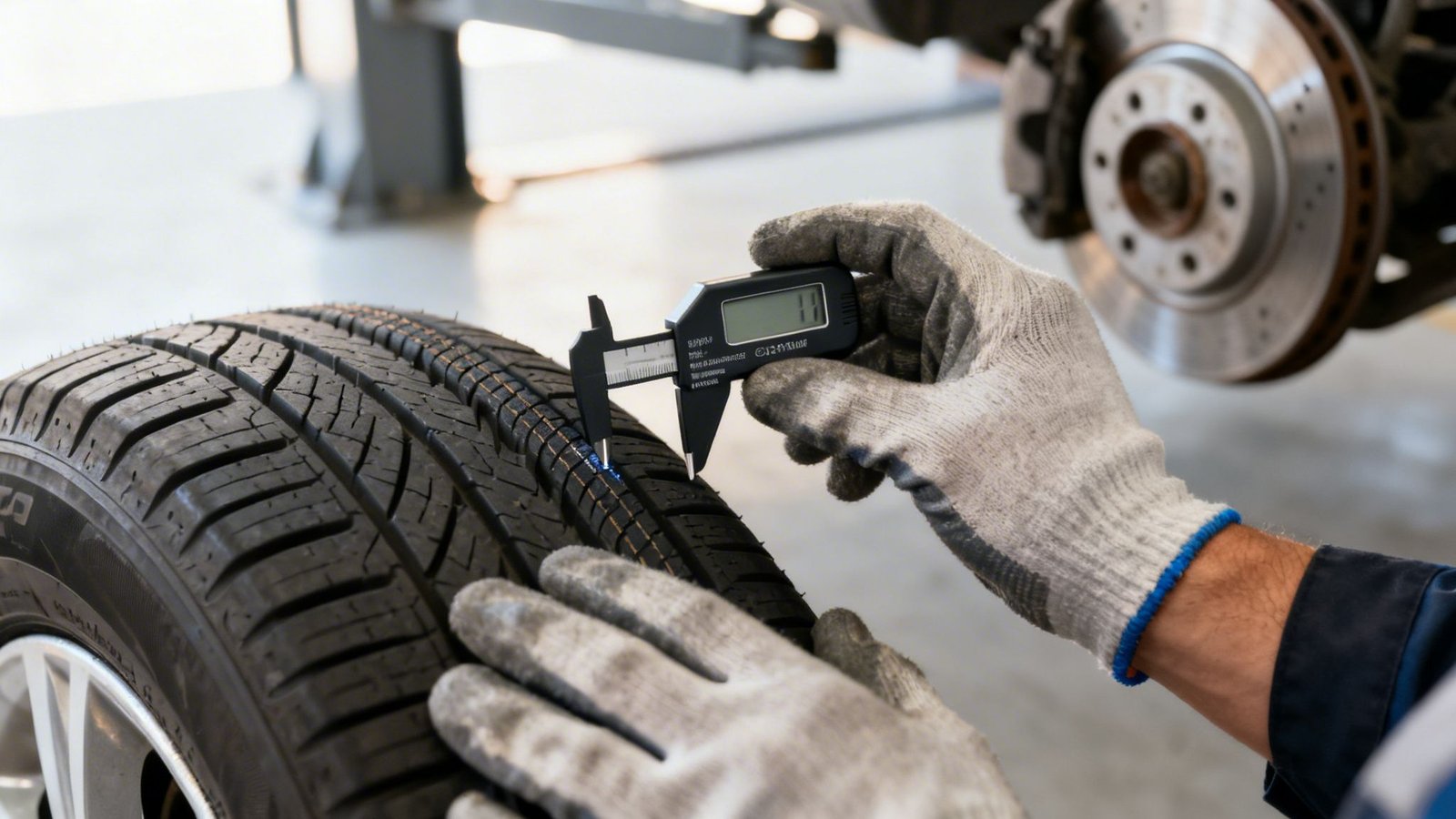
Tires serve an essential function in braking and handling, and also impact the safety of the driver on the road. Tires that have been damaged or have not been properly maintained pose hazards to drivers and could lead to accidents and sudden failures of the car.
Drivers should check their tires for:
- Uneven wear of the treads
- Under-inflated tires
- Cuts on the sidewall
- Swelling or bulges
- Punctures from nails
- Vibrations while driving
These automobile safety warning signals should not be overlooked, particularly during the hot Texas summer season.
Smoke or Burning Smells
Any strange smoke or a peculiar smell usually means that there are some mechanical issues that need to be addressed right away.
White Smoke
If you see any white smoke, it usually means that some coolant is leaking into the engine because of a bad head gasket or some other problem with the cooling system. You may damage your engine if you continue to drive your car like that.
Blue Smoke
If there is blue smoke coming out of your exhaust pipe, it means that the engine burns oil. It is usually caused by some malfunctioning internal parts of the engine including faulty pistons and valves.
Black Smoke
It usually means that there is an excessive amount of fuel in the engine.
Burning Rubber Odor
Odor of burning rubber may occur due to slipping belts, overheating tires, and rubbing of components.
Burning Oil Odor
If there is an oil leak on the engine, it could cause a burning odor. This problem should be fixed at once to avoid any other engine trouble.
Electrical Burning Odor
Burning odor of plastic and electrical component is due to the problem of overheating wires or electric component problems.
Poor Fuel Economy
Poor fuel economy is usually one of the first symptoms of mechanical troubles that may be developing.
Possible reasons for poor fuel economy are:
- Dust clogged air filters
- Under inflated tires
- Defective spark plugs
- Fuel injectors malfunctioning
- Oxygen sensors malfunctioning
- Misfiring engine
- Poorly aligned wheels
Finding the problem will help you recover your fuel economy and save on costs.
Common Car Problems That Require Immediate Attention
Some mechanical problems need immediate attention as they can turn into potential threats very soon.
The following car problems must never be overlooked:
- Overheating of engine
- Brakes not working
- Slipping of transmission gears
- Alternator malfunction
- Dead battery
- Leaking coolant
- Oil pressure loss
- Serious fluid leaks
- Problems in steering mechanism
- Engine misfiring
Finding emergency car repair services in Texas will help you avoid more damage and save on your repair expenses.
When Should You Stop Driving Immediately?
There are certain red flags that should warn you that driving your vehicle is now dangerous and that you must stop your car in a safe place and seek professional help in case one of these occurs:
- Engine overheating.
- Check engine light is blinking.
- Brakes fail to perform their braking action.
- Smoke comes out of the engine or exhaust system.
- Oil or coolant leakage.
- Difficulty in steering.
- Tire blowout.
- Unusual smell of burning electricity.
- Oil pressure warning light stays on.
It is highly likely that you may face a lot of problems with your vehicle’s performance if you keep driving your car under such circumstances.
What to Do During an Unexpected Vehicle Breakdown
Though a vehicle breakdown may cause frustration, there is the need to act in the right way to safeguard everybody.
Move to a Safe Spot
If the vehicle is still operational, move to the side of the road or any other safe place.
Hazard Lights On
Switch on the hazard lights to show other motorists that your car has come to a halt.
Protect Yourself
If the traffic is busy or the roadside area is unsafe, it would be better to remain in the vehicle.
Call for Roadside Assistance
Where the vehicle cannot be moved, it must be towed rather than trying to drive it.
Get Professional Help for Repairing
When the vehicle is transported to the service center, the problem must be diagnosed by professionals.
Preventive Maintenance Helps Avoid Emergency Repairs
Maintenance is still one of the most efficient ways to prevent emergency repairs.
Preventive maintenance must consist of:
- Replacement of engine oil and filter
- Rotation and inspection of tires
- Brake inspections
- Battery checkups
- Inspections of the cooling system
- Fluid level checkup
- Multiple point inspections of the car
- Engine diagnostics
- Inspection of belts and hoses
Maintenance allows you to discover problems before they grow into expensive repairs.
When to Take Your Car to a Mechanic
Problems with many vehicles increase in cost if not dealt with promptly. The following are issues that a driver needs to seek immediate inspection of a car for once noticed:
- Lights staying on in the dashboard
- Noises like grinding, knocking or squealing
- Leaking of fluid under the vehicle
- Loss of engine power
- Engine stalls often
- Engine overheating
- Smoke or burning smells
- Poor brake functionality
- Steering and suspension problems
- Vibration while driving
The above problems can be handled through the help of a competent technician.
Conclusion
Understanding the way to detect signs of your car’s necessity to be repaired immediately is necessary for providing safety both for your car and other people. Warning signs are blinking dash lights, strange noises, oil leakage, overheating, broken brakes and steering wheel. These symptoms indicate some mechanical troubles and need immediate attention.
Texas driving conditions such as extremely hot temperature, heavy traffic, long trips put additional stress on various parts of your car. Handling warning signs which indicate necessity of repairs immediately will help you provide safety, make your car work longer and spend less money on repairing.
Using preventative maintenance measures combined with the detection of strange symptoms will help you have safe and reliable car throughout the year.
Frequently Asked Questions
Common early warning signs include dashboard warning lights, unusual noises, fluid leaks, vibrations, poor braking performance, and reduced engine power. Addressing these symptoms early can help prevent more serious mechanical failures.
Signs of brake problems include squealing, grinding, a soft brake pedal, longer stopping distances, vibrations, or the vehicle pulling to one side while braking. Immediate inspection is recommended.
Basic inspections such as checking tire pressure, fluid levels, lights, and wipers should be performed monthly. Comprehensive inspections should be completed during scheduled maintenance visits.
A vehicle should be inspected whenever warning lights appear, unusual noises develop, fluids begin leaking, or performance changes are noticed. Prompt repairs can prevent additional damage and improve overall safety.